You see a mouse in the kitchen.
Or ants in a line across the counter.
Or roaches near the stove at night.
You know you need help. You open Google and boom… a long list of pest control companies promising the “best results.”
Now what?
Here’s the thing.
Choosing the right pest control company is not just about who shows up fastest or who has the lowest price. You’re inviting someone into your home, around your family, your pets, and your stuff. You want a team you can actually trust.
This blog will help you understand what to look for, what to avoid, and how to choose a company that treats your home the way it should be treated.
Step 1: Get Clear on What You Need
Before you start calling companies, take a minute to think about your situation.
Ask yourself:
- What pests are you dealing with? Ants, mice, roaches, bed bugs, wasps, something else
- Is this a one time problem or something that keeps coming back
- Do you have kids, pets, or anyone with asthma or allergies at home
- Is it a house, condo, townhome, basement apartment, or rental property
When you know your own needs, it’s easier to tell if a company is actually listening to you or just reading a script.
A reliable company will ask you questions like:
- Where are you seeing activity
- How long has this been happening
- Have you tried anything on your own
- Do you have any safety concerns
If they don’t ask and just rush to “we’ll spray everything,” that’s a bad sign.
Step 2: Check Licensing, Training, and Insurance
This part isn’t exciting, but it really matters.
You want a company that:
- Is properly licensed in your province
- Uses trained and certified technicians
- Has liability insurance in case something goes wrong
Why this matters:
- Licensing means they’re allowed to handle the products they use
- Training means they know how to identify pests correctly and treat them safely
- Insurance protects you and them if there’s damage or an accident
When in doubt, ask:
- Are your technicians licensed
- Do you carry insurance
- Can you explain how you stay up to date with training
A good company will answer clearly. No dodging, no attitude.
Step 3: Pay Attention to the Inspection, Not Just the Spray
A reliable pest control company doesn’t start with the sprayer. They start with their eyes and ears.
On a proper visit, the technician should:
- Walk through the problem areas with you
- Ask where you’ve seen droppings, damage, or live pests
- Check behind and under appliances where possible
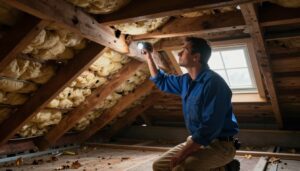
- Look at the exterior for gaps, cracks, and entry points
- Explain what they’re seeing in simple language
What this really means is: they’re trying to find the source of the problem, not just kill what’s visible.
If someone shows up, glances around for two minutes, and says “we’ll just treat everything the same,” that’s not a careful approach. That’s a rush job.
Step 4: Ask How They Keep Kids, Pets, and Sensitive People Safe
Your family’s health matters more than anything. A reliable company knows that and plans around it.
Good signs:
- They ask if you have kids, pets, seniors, or anyone with asthma or allergies
- They explain where products will be placed and where they will not be placed
- They give clear rules: when you can re enter rooms, when floors are safe, what to clean and what to leave
Questions you can ask:
- How do you protect children and pets during and after treatment
- Do we need to leave the home for a while
- Are there areas that need extra ventilation
- How long until my kids can play on the floor again
You shouldn’t feel brushed off. If they act annoyed by these questions, move on.
Step 5: Look for Clear, Honest Pricing
Cheap is tempting. But with pest control, you don’t just want cheap. You want fair and honest.
Strong companies:
- Explain how they price: by service, by pest, by size of home
- Tell you what’s included in the quote
- Are upfront about any extra costs for follow up visits if needed
- Don’t pressure you into long contracts you don’t understand
Watch out for:
- Vague “starting at” prices with no clear limit
- Pushy sales talk before they even understand your problem
- “We’ll beat any price” without explaining what you actually get
You want a clear answer to this simple question:
“What exactly am I paying for?”
Step 6: Read Reviews the Right Way
Online reviews matter, but you have to read them with a smart eye.
Look for patterns like:
- Do people mention that the company actually solved the problem
- Do they say the technician explained things well
- Are there good reviews from people with similar issues as yours
- How does the company respond to bad reviews
One or two bad reviews are normal for any business. What matters more is how they reply. Do they stay respectful, explain, and offer help, or do they argue and blame the customer?
A company that takes feedback seriously usually takes your home seriously too.
Step 7: Watch for Red Flags
Let’s be honest. Some companies talk big but don’t deliver. Here are warning signs you should not ignore.
Red flags:
- They promise “instant, permanent results” no matter what the pest is
- They refuse to explain what products they’re using
- They don’t offer any written notes or treatment details
- They want cash only with no proper invoice
- They try to scare you into big, expensive packages right away
- They skip inspection and go straight to spraying
If a company cares more about getting your card than understanding your problem, they’re not the right one.
Step 8: Choose a Company With Local Knowledge
Pest problems are local.
The pests that show up in a downtown condo are not always the same as a house near a ravine or a semi in the suburbs.
A reliable local company:
- Knows which pests are common in your area
- Understands how local weather affects pest activity
- Has experience with the type of housing you live in
- Can explain what to expect by season
This kind of local knowledge helps them plan better:
- Where to look first
- Which products and methods work best
- How often follow up may be needed
You don’t want someone guessing. You want someone who has seen this many times before.
Step 9: Ask These Questions Before You Decide
Here’s a simple checklist you can use on the phone or during the first visit.
You can literally write these down and ask each company:
- What pests do you specialize in
- How do you inspect before you treat
- How do you keep kids and pets safe
- Are your technicians licensed and insured
- What does your treatment include
- Will I need more than one visit
- How do you handle follow up if the problem continues
- Do you provide anything in writing after the service
- Is there a contract, and if so, what are the terms
You’re not being difficult by asking these. You’re being a smart homeowner.
A reliable company will answer calmly and clearly. They’ll respect that you care about your home.
Step 10: Why Homeowners Look for Teams Like Bug Managers
When you put all of this together, you’re not just looking for someone to “kill bugs.”
You’re looking for:
- Clear communication
- Careful inspection
- Safe treatment
- Honest pricing
- Real solutions, not quick cover ups
That’s the kind of approach Bug Managers is built around.
A team like this:
- Listens to your story before suggesting anything
- Checks inside and outside to find root causes
- Uses targeted treatments, not random spraying
- Talks you through safety steps in plain language
- Helps you with prevention tips so the problem doesn’t keep coming back
You feel like you’re working with them, not being sold to.
Step 11: Trust Your Gut as Well as the Facts
Facts matter: license, insurance, reviews, price. But your gut matters too.
Ask yourself:
- Did they rush me or did they listen
- Did I feel respected when I asked questions
- Did their answers make sense, or did they feel vague
- Do I feel safe letting this person back into my home
If something feels off, you’re allowed to say no and keep looking.
The Bottom Line: Choose for the Long Term, Not Just the Quick Fix
Pest control is not just a one time transaction. In many homes, it becomes a relationship. You might need help again in a different season or for a different pest.
So choose a company you’d be comfortable calling back.
To recap, a reliable pest control company will:
- Understand your specific problem, not just sell a package
- Be licensed, trained, and insured
- Inspect before they treat
- Put safety first for kids, pets, and sensitive people
- Explain pricing and services clearly
- Have solid reviews and a good local reputation
- Offer follow up and prevention advice
If you’re dealing with pests now and want a team you can trust, reach out to a company like Bug Managers and start with an honest inspection and conversation.
You don’t just need pests gone.
You need peace of mind, and the right company can give you both.