When wildlife gets into a house, most people think the only goal is to “get the animal out.”
But the real goal is bigger than that. You want to protect your home. You also want to avoid harming other animals and the local environment.
Humane wildlife removal does both.
It focuses on safe removal, smart prevention, and long-term fixes.
What Humane Wildlife Removal Looks Like in Real Homes
Humane removal usually means exclusion.
The animal leaves safely, and then the entry points are sealed so it cannot return.
Many Canadian cities describe one-way doors as a preferred approach because they let animals exit but prevent re-entry, followed by sealing access points.
This is different from “catch and dump.”
It is a fix that targets the cause, not just the animal.
How Humane Removal Protects Your Home
It prevents repeat break-ins
If you only remove the animal but leave the gap open, another animal can move in.
Exclusion works because it closes the “invitation.”
Once the entry points are repaired, the same problem is far less likely to return.
It reduces expensive damage
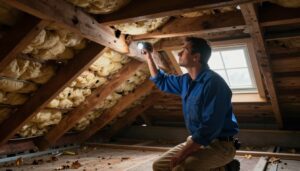
Wildlife can cause real harm inside a house, especially in attics.
For example, Alberta’s guidance says red squirrels can cause substantial damage, including destruction of insulation and chewing electrical wires.
Damaged insulation can lead to heat loss and higher bills.
Chewed wiring can create serious safety risks.
It lowers the risk of contamination and strong odours
When animals live in a space, they leave behind droppings and urine.
Some animals also create “latrines,” where waste builds up in one area.
Raccoon feces can carry raccoon roundworm eggs. BC’s public health guidance recommends careful cleanup, including gloves and a face mask, and it notes that boiling water is used on contaminated surfaces because many disinfectants are not effective against these eggs.
Humane removal helps because it aims to stop the animals from living in the structure in the first place.
That means less buildup and less cleanup later.
It avoids the “animal trapped inside” problem
A common mistake is sealing holes too early.
If an animal is trapped inside walls or attic spaces, it can die there. That leads to odour and insects.
Exclusion plans reduce this risk because they focus on safe exit first, then sealing after you confirm the space is empty.
How Humane Removal Protects the Local Ecosystem
It reduces wildlife poisoning risks
Many people use rodent poison outdoors or in garages without realizing what can happen next.
Health Canada requires safety measures like bait stations for outdoor above-ground placements and tamper-resistant bait stations when baits could be within reach of pets, non-target wildlife, or children.
British Columbia also has restrictions on second-generation anticoagulant rodenticides (SGARs) and says the goal is to reduce the risk of wildlife poisoning, with requirements in effect starting January 21, 2023.
This matters because poisoned rodents can be eaten by predators.
Owls, hawks, foxes, and other animals are part of the natural balance that helps keep rodent numbers down.
Humane wildlife removal supports the ecosystem by focusing on prevention and exclusion, instead of methods that can harm non-target animals.
It avoids creating “new problems” in new places
When wildlife is moved far from its home range, it may struggle to survive.
It may also create conflicts in the release area.
Humane exclusion keeps the animal in its normal territory but removes access to your home.
That reduces the chance of the problem spreading to neighbours and nearby properties.
It supports safer coexistence in cities and suburbs
Canada’s towns and cities are growing. Wildlife is adapting.
Humane strategies help communities manage conflicts without turning to harmful methods that can impact pets, wildlife, and the environment. Many municipal strategies focus on prevention and safe exclusion because it is safer for everyone.
What Homeowners Can Do to Support a Humane, Long-Term Fix
You do not need complicated tools. You need consistency.
Reduce attractants
- Secure garbage and compost
- Do not leave pet food outside overnight
- Clean up fallen fruit and spilled bird seed
Block easy shelter
- Keep storage areas less cluttered
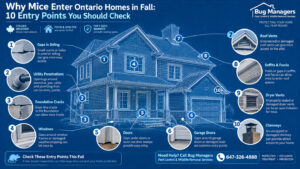
- Fix loose soffits, vents, and roofline gaps
- Add door sweeps and repair gaps around pipes
Act early
The earlier you respond, the easier the fix.
Small gaps and small nests become big problems over time.
Conclusion
Humane wildlife removal protects your home because it focuses on safe removal and solid prevention, not quick fixes. It also protects the local ecosystem by reducing reliance on harmful methods like rodenticides that can put non-target wildlife at risk, which is why Canadian regulators and provinces like BC have strong safety controls and restrictions.
If you want a humane plan that focuses on inspection, exclusion, and long-term proofing, Bug Manager can be considered for guidance.