Intro — quick hook and promise
Rodents don’t wait. They breed, chew, and leave droppings while you decide. Speed matters.
Call the right pro fast and you stop the problem instead of chasing it. Bug Managers is the kind of local team that answers quickly, inspects thoroughly, and follows through. Read on and you’ll know what to ask, what a fair price looks like, and how to prep your home before a technician arrives.
When to stop DIY and call a pro now
Not every sighting needs a company visit. But some signs require same-day attention.
Call today if you see fresh droppings, chewed electrical wires, greasy rub marks along baseboards, loud nighttime scampering from the attic, multiple recent sightings, or a large nest. Those mean active, ongoing activity and a higher risk of damage or disease.
If you only found a single old dropping or saw one mouse in the yard once, set a couple of snap traps and watch for 48–72 hours. That’s a reasonable DIY triage.
Health and safety note
Fresh droppings and nests can carry hantavirus and other pathogens. Don’t sweep or vacuum dry. Wear gloves and a mask, ventilate the area, wet the droppings with disinfectant, then clean. For large or persistent contamination, let a pro handle cleanup.
Single takeaway: if signs are recent and many, call a licensed local pro. Ask about same-day or emergency response—that’s standard with reputable teams like Bug Managers.
What a reputable local rodent control service actually does
Good companies don’t just scatter poison. They follow a clear, step-by-step approach.
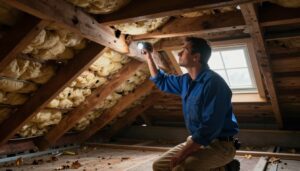
First, an inspection. The technician finds entry points, droppings, grease trails, and nesting sites. They identify species. That directs the plan. If you’re unsure which species is active in your home, trusted resources on identifying a mouse or rat problem can help you understand common signs.
Second, targeted removal. Pros use snap or electronic traps for quick, verifiable results. Tamper-resistant bait stations are used when necessary, especially for rats. Live traps are an option, but check local rules and practicality. For details on specialist removal approaches, see our Rat & Mice Removal services.
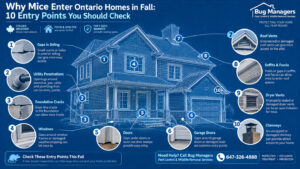
Third, exclusion. This is proofing: sealing holes, weatherstripping doors, patching gaps around pipes and vents. Exclusion is the durable fix. Many companies bundle exclusion into a dedicated offering—learn more about our Pest & Wildlife Proofing Services.
Fourth, sanitation advice and monitoring. Technicians tell you what to remove and what to fix, then schedule follow-ups to confirm results.
Tools and trade-offs
Snap and electronic traps are fast and safe when placed properly. Live traps are humane but not always legal or practical. Bait stations are effective but carry pet and child risks—use only tamper-resistant boxes and professional placement. Avoid glue traps and amateur poisons; they’re cruel and create secondary hazards.
Fumigation is rare for homes. It’s expensive and usually unnecessary. The best long-term results combine removal with exclusion and sanitation. Poison alone fails over time.
How much it should cost (real numbers and what changes the price)
Expect straightforward price ranges. For a single visit, most homes pay between $150 and $500. Follow-up visits typically run $110–$320. Annual plans vary from $400 to $1,200. Monthly maintenance runs about $40–$70 per visit. Whole‑house fumigation is billed per square foot and is uncommon for residences.
What raises the price? Rats cost more than mice. Bigger infestations take longer. Hard-to-reach spaces and extensive proofing or repairs add labour and material costs. After-hours emergency calls carry premiums. Longer warranties and written guarantees also increase price. For regional price examples and additional context on service costs, see this pest control service cost guide.
Two quick scenarios
Small condo mouse run: A few traps, a short inspection, and minor sealing. Expect $150–$300 and a 30–90 day warranty with one follow-up.
Large detached home with roof/attic rat infestation: Multiple visits, attic cleanup, attic and roofline exclusion, and possible structural repairs. A fair quote could be $800–$2,500 depending on access and work scope. Rats are messier and need more proofing.
Red flags: flat, low quotes without an inspection; bait-only plans that skip exclusion; contractors who pressure you to sign immediately.
How to vet and shortlist local companies fast
Vet like you mean it. A quick check saves time and money.
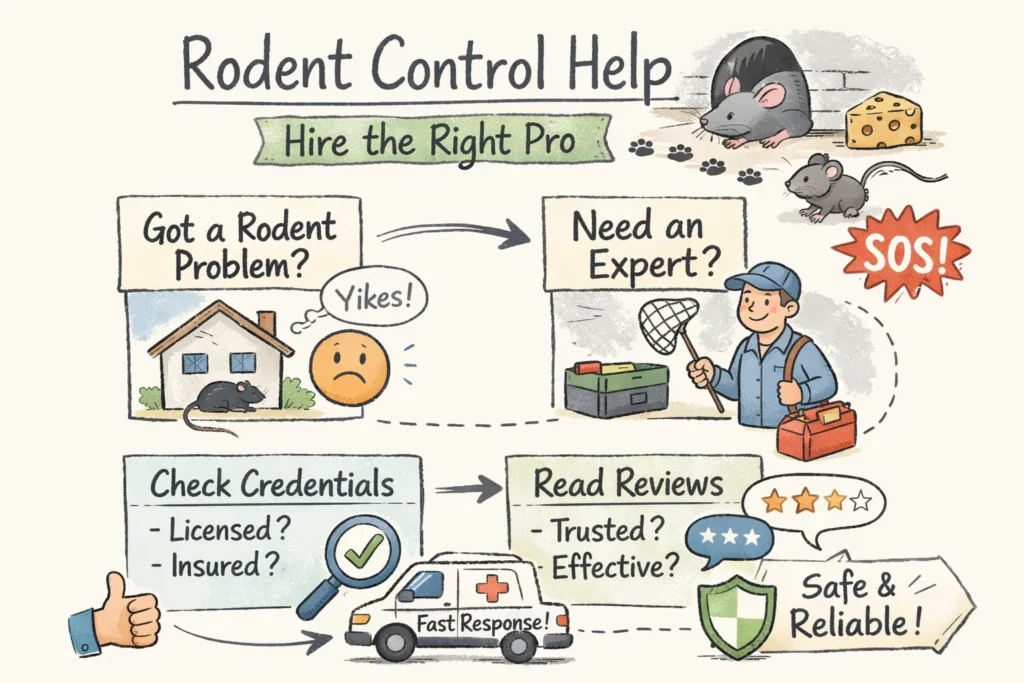
Ask for licence numbers and verify them online. In Ontario, companies need an operator licence and technicians require exterminator licences. Confirm proof of general liability insurance and WSIB coverage where applicable. Note licence numbers and check the provincial registry — for Ontario specifics see the official pesticide licences and permits guidance.
Look for marked vehicles and a written estimate. Read recent reviews and ask for local references. Confirm the warranty in writing and know what it covers and what voids it (neglected sanitation, new structural damage, etc.).
Use a local example to set your bar. Bug Managers is licensed, insured, uses eco-friendly methods, and offers free inspections and written quotes. If you’re searching locally, check our coverage and reputation under Pest Control Caledon. That combination—licence, insurance, clear estimate, and follow-up—is what a qualified company looks like.
A simple 7-step hiring checklist you can use on the phone
- Ask for credentials. Script: “Can you text your company name, address and licence numbers?” Why: licences and addresses verify legitimacy.
- Describe the problem and ask their first step. Script: “I have fresh droppings in the attic. What’s your first step?” Why: quick test of expertise and process clarity.
- Ask about methods and pet/child safety. Script: “Do you use tamper‑resistant bait stations or non‑chemical options?” Why: ensures safe choices for your household.
- Request a written, itemized quote and warranty terms. Script: “Will you email an itemized quote and the warranty in writing?” Why: avoids surprise fees and defines follow-up work.
- Clarify exclusion work. Script: “Will sealing entry points be included or quoted separately?” Why: proofing is essential for long‑term control.
- Check availability and emergency options. Script: “When can you start? Do you offer same‑day service and is there an after‑hours fee?” Why: speed matters with active infestations.
- Ask for local references or recent jobs and watch for red flags. Script: “Can you give a recent local reference or a before/after photo?” Why: no licence, no warranty, or pushy sales are deal-breakers.
One-line closer to use on the call: “Can you send a written quote and your licence card before you come?” If they won’t, move on.
Prepare your home and what to expect on service day
Do these simple tasks before the tech arrives:
- Secure food in airtight containers and remove open pet food.
- Clear attic, garage, and crawlspace access.
- Document sightings and fresh droppings with photos.
- Keep children and pets away from treatment areas.
On arrival the technician will inspect, place traps or tamper‑resistant bait stations, seal obvious entry points, explain safety steps, and schedule a follow-up. A typical single‑issue call lasts 30–90 minutes; complex proofing takes longer or requires a return visit.
Warranties commonly run 30–90 days for one‑time services and up to a year for exclusion work or maintenance plans. Warranties usually cover re‑treatment of serviced areas unless sanitation or new structural damage caused the return.
Keep records: save the written quote, licence numbers, receipts, and photos of entry points. They matter if rodents return or if you need a warranty call. If you want a local, licensed team that offers free inspections and written quotes—and same‑day emergency response—give Effective Rodent Control Services in Brampton a call. They can assess, quote, and start the work fast. After the job, they will email a written quote and confirmation — including a Thank You page and next‑steps.
Conclusion — one clear next step
You can shortlist and hire confidently. Check licences, confirm insurance, ask the seven phone questions, compare written quotes, and prep your home. Then get a written quote and an inspection from a licensed local team today.