A wild animal in the house is not a story. It’s a fault line you fix. Bug Managers — a local, humane option — shows the way.
Is it time to call a pro? Spot the signs and act safely
If you’re unsure, call a pro. Wildlife inside walls or attics is more than a nuisance; it’s a health, fire, and structural risk. Droppings, shredded insulation, chewed wiring, loud night noises, visible animals, sudden pet agitation, or strong ammonia-like smells all point to active infestation.
If you need to describe the problem to a technician, note: noises at night (scratching, scurrying, fluttering); fresh droppings; shredded nesting material in the attic; holes or chewing on wood and wiring; daytime sightings of nocturnal creatures.
Immediate steps you can and should take: keep people and pets away from the affected area; don’t touch droppings or nests (wear gloves and an N95 or equivalent if you must inspect); do not seal holes that could trap animals inside; secure food and garbage; take photos and note times and locations for the technician.
Emergency red flags — call emergency services or an experienced wildlife pro immediately if an animal is loose in living spaces, is aggressive or appears rabid, is chewing exposed electrical wiring, a large bat colony with heavy guano is present, or newborns are exposed. Have your address and photos ready: it speeds a humane response.
What a good pro will do — the predictable sequence and timing
Good professionals follow a sequence because each phase prevents mistakes later. Skipping steps costs time and money.
Inspection and diagnosis (30–90 minutes): visual attic checks, entry-point mapping, photos; inspection fees are often credited to the job. Removal or exclusion: same day for small jobs, or multiple visits when trapping or one-way devices are required; removals account for maternity season or legal restrictions. Decontamination and attic cleanup: guano and droppings add time — from one day to several days depending on volume. Repairs and exclusion/proofing: installing steel mesh, chimney caps, soffit repairs; days to weeks depending on complexity. Follow-up and warranty check: re-inspection within weeks to confirm no return.
How long before you can use treated spaces? Small rodent jobs often allow re-entry same day to 48 hours after cleanup. Bat guano and colony jobs require professional sanitation and clearance before safe re-entry. Expect the pro to leave photos of entry points, an itemized quote, a written warranty, and a prevention plan.
Price reality: typical ranges by species and what drives the bill
Price is detail; cheap guesses cost more later. Ask for itemized quotes and compare methods, not just totals.
| Species | Typical Range (ballpark) | Notes |
|---|---|---|
| Raccoon | $200–$1,500+ | Attic damage and wiring repairs raise costs; exclusions and multi-visit trapping increase price. |
| Squirrel | $200–$1,500+ | Daytime attic activity; nesting removal and structural repairs can push totals higher. |
| Skunk | $150–$600 | Burrow removal and odor control may add fees. |
| Bat | $150–$1,500+ | Small exclusions low; colony guano cleanup and seasonal/legal handling increase costs. |
| Mice / Rats | $150–$600 | Trapping and exclusion; recurring issues if gaps remain unsealed. |
General benchmarks: minimum visits/inspections commonly start at $150–$500; many jobs average $300–$615. Factors that inflate cost include emergency or after-hours calls, multiple animals, difficult attic access, extensive damage (wiring, ceilings), professional guano sanitation, permits, and specialized exclusion materials like stainless or galvanized mesh.
To compare quotes fairly, insist on itemized line items: inspection, removal, cleanup, exclusions/materials, repairs, permits, follow-up visits, and warranty length. The lowest quote is rarely the best if it omits cleanup or guarantees. For additional context on typical costs, see an independent review of how much wildlife removal can cost.
How to pick the right local team — credentials, red flags, and your hiring checklist
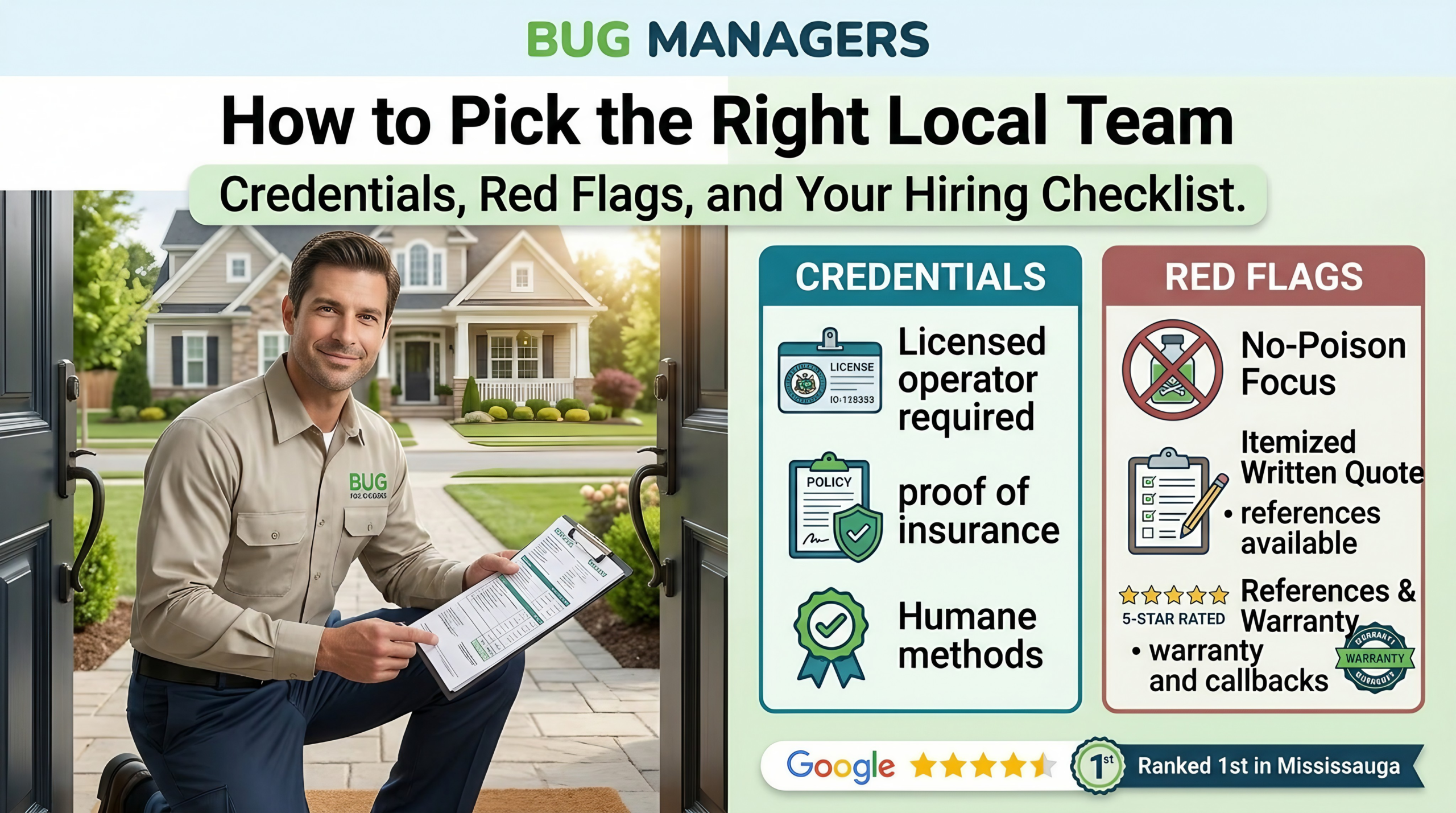
Competence is visible. Ask to see it.
Expect a licensed operator where required, a business license, general liability and workers’ compensation insurance, and technicians with recognized training. Certifications such as NWCOA credentials (BWCO/CWCP) are strong signals of ongoing education. For guidance on hiring wildlife professionals and what training to expect, consult hiring and training recommendations for wildlife control professionals.
Avoid clear red flags: no license or insurance; evasive answers about methods; pressure for lethal measures when humane options exist; insistence on cash-only; refusal to provide references or a written quote; use of poisons or glue for wildlife; sealing holes immediately before confirming animals are out.
- Are you licensed and insured? What certifications do your technicians hold?
- Do you use humane methods, and what will you do for my species?
- Will I get an itemized written quote and contract?
- Who does the cleanup and how do you handle contamination?
- What warranty or guarantee do you offer and for how long?
- Do you require permits for this job and who handles them?
- Will my insurance or HOA need to be notified or involved?
- What are your emergency fees and availability?
- Can you provide local homeowner references?
- Do you have experience with high-end or lakefront properties and discretion if required?
Why use Bug Managers as a local benchmark: licensed, insured technicians using humane, eco-friendly methods; broad GTA coverage including high-end neighborhoods; emergency response and same-day options; comprehensive exclusion and proofing with attic cleanup and warranty-backed work. Learn more about our local offerings on our Affordable Pest Control Services in Mississauga | Bug Managers page.
Species quick guide — humane methods, legal notes, and practical proofing
Every animal has a story — and a right way to remove it.
Raccoon
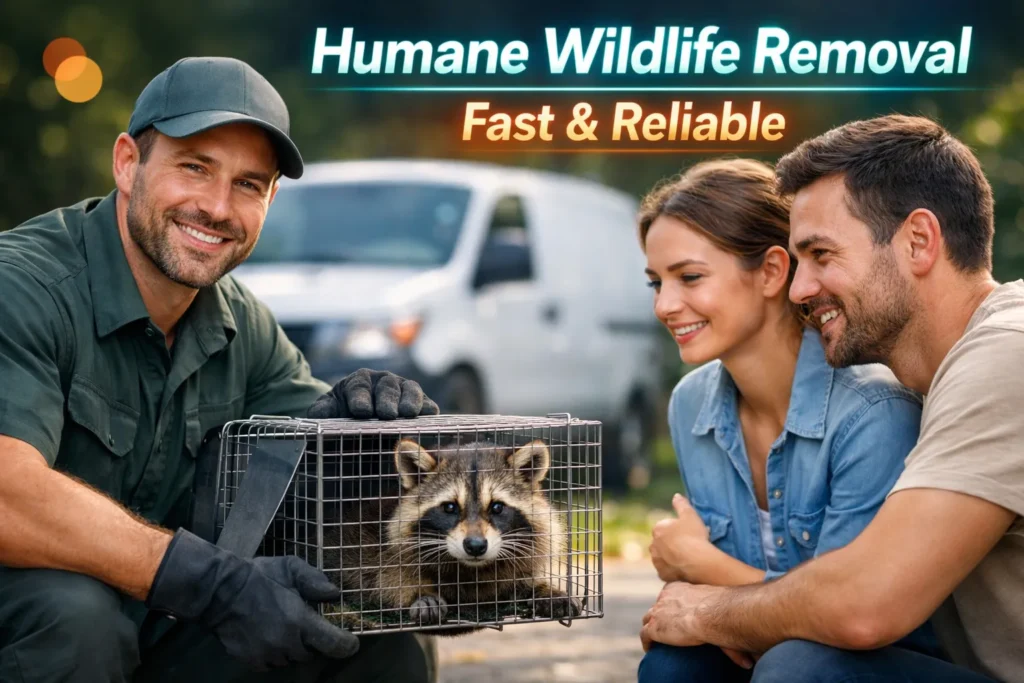
Signs: loud nighttime rummaging, large droppings, torn insulation. Methods: one-way doors or live trapping where legal. Proofing: seal openings larger than 3 inches, install chimney caps, repair soffits. Legal: relocation rules vary by jurisdiction; professionals know local limits. For comprehensive home sealing and exclusion work see our Pest & Wildlife Proofing Services, Bug Managers.
Squirrel
Signs: daytime or attic scratching, shredded nests. Methods: one-way exclusion, live traps where allowed, reduce tree-to-roof access. Proofing: metal flashing in eaves, screen vents. Watch nesting season; trapping young can complicate reunification.
Skunk
Signs: digging under decks, strong odor. Methods: live trapping carried out with care to avoid spraying; avoid cornering. Proofing: close burrows, install deck skirting. Odor remediation may be a separate line item.
Bat
Signs: dusk/dawn flights, guano piles. Methods: careful exclusion with one-way devices outside roosts; never disturb maternal colonies. Proofing: seal gaps larger than 1/2 inch after seasonal exclusion. Legal: many bats are protected and handling may require permits; cleanup needs professional PPE and disposal. If you have a guano issue, follow professional guidance — see a practical guide to safely cleaning bat guano from attics.
Mice and Rats
Signs: small droppings, gnaw marks, nocturnal activity. Methods: targeted trapping and exclusion; avoid indiscriminate poisons that risk pets and wildlife. Proofing: seal gaps with metal mesh, install proper door sweeps, repair vents. For rodent-specific service details see our Rat & Mice Removal, Bug Managers page.
Health note: guano, fleas, ticks, leptospirosis and rabies are real risks. Professionals use PPE and follow disposal protocols. For an overview of typical industry pricing and homeowner guidance, this consumer resource outlines expected costs and options for animal removal: what animal removal can cost. For business-side questions about permits and licensing related to pest work, see guidance on what licenses you may need.
Call-ready plan: checklist, sample script, and what to do while you wait
Short plans keep panic out of the house.
Pre-call checklist — have these ready: address, photos of entry points and damage, brief description of signs and times of activity, pets present, any recent DIY attempts, and preferred access instructions.
Sample script: “Hi, I’m [name] at [address]. I have [signs] — for example, scratching in my attic at night and fresh droppings. Are you licensed and insured? Do you use humane removal and provide an itemized quote and warranty? When can you come?”
While you wait: keep children and pets away from the area; secure food and trash; don’t seal holes or attempt live capture; take photos or a short video of activity and note times; document noises — it helps the tech diagnose quickly.
Fix the entry, end the problem. When you want humane, licensed, local help with inspection and a written prevention plan, call Bug Managers for a prompt inspection and clear next steps. For bird-specific problems we also provide Bird Control, Bug Managers and dedicated Bird Proofing Services, Bug Managers.
A home is a defended place. See the signs. Call a professional. Repair the hole. Sleep again.