Repeat rodent infestations are a serious risk for warehouses and commercial facilities, leading to damaged inventory, failed audits, and reputational loss. Effective warehouse pest control is not just about removing rodents—it’s about identifying entry points, improving sanitation, and implementing long-term prevention strategies. Businesses that rely on reactive treatments often face recurring problems and rising costs.
A proactive commercial pest control program focuses on inspection, exclusion, monitoring, and rapid response to stop infestations before they spread. From sealing structural gaps to installing monitoring systems, the right approach protects your facility, ensures compliance, and safeguards your brand.
In this guide, discover how to stop repeat rodent infestations and build a pest control strategy that keeps your operations secure year-round.
Decide by Outcome: Prevention, Detection, or Eradication
Ask the right question first: what outcome do you actually need from your warehouse pest control program?
Not every sighting requires the same response. Effective warehouse pest control starts with fast triage. Answer three questions: is this a regulated food or health facility? Is activity rare or ongoing? Is customer or public exposure high?
Match the outcome to the risk. Low-severity and low-exposure situations may only require targeted trapping and monitoring within your warehouse pest control plan. Recurring activity or structural vulnerabilities demand exclusion, Integrated Pest Management (IPM), and sustained warehouse pest control monitoring. High-risk sites—such as food or healthcare facilities—require prevention-first warehouse pest control programs with audit-ready documentation.
Classify the facility correctly. Restaurants and food processors belong at the prevention-first end. Warehouses and distribution centers rely heavily on structured warehouse pest control systems that combine monitoring, exclusion, and sanitation. Retail and office environments fall in the middle and adjust their warehouse pest control approach based on public exposure.
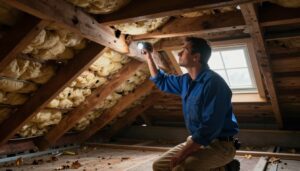
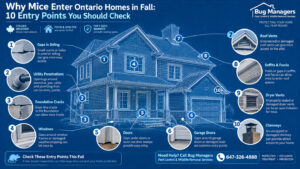
First steps should always be immediate and practical within any warehouse pest control strategy: inspect thoroughly, apply temporary containment (discrete traps or secure stations), document findings, and schedule exclusion work to seal entry points and prevent repeat infestations.
What rodent management firms actually do — the tools and when to use them
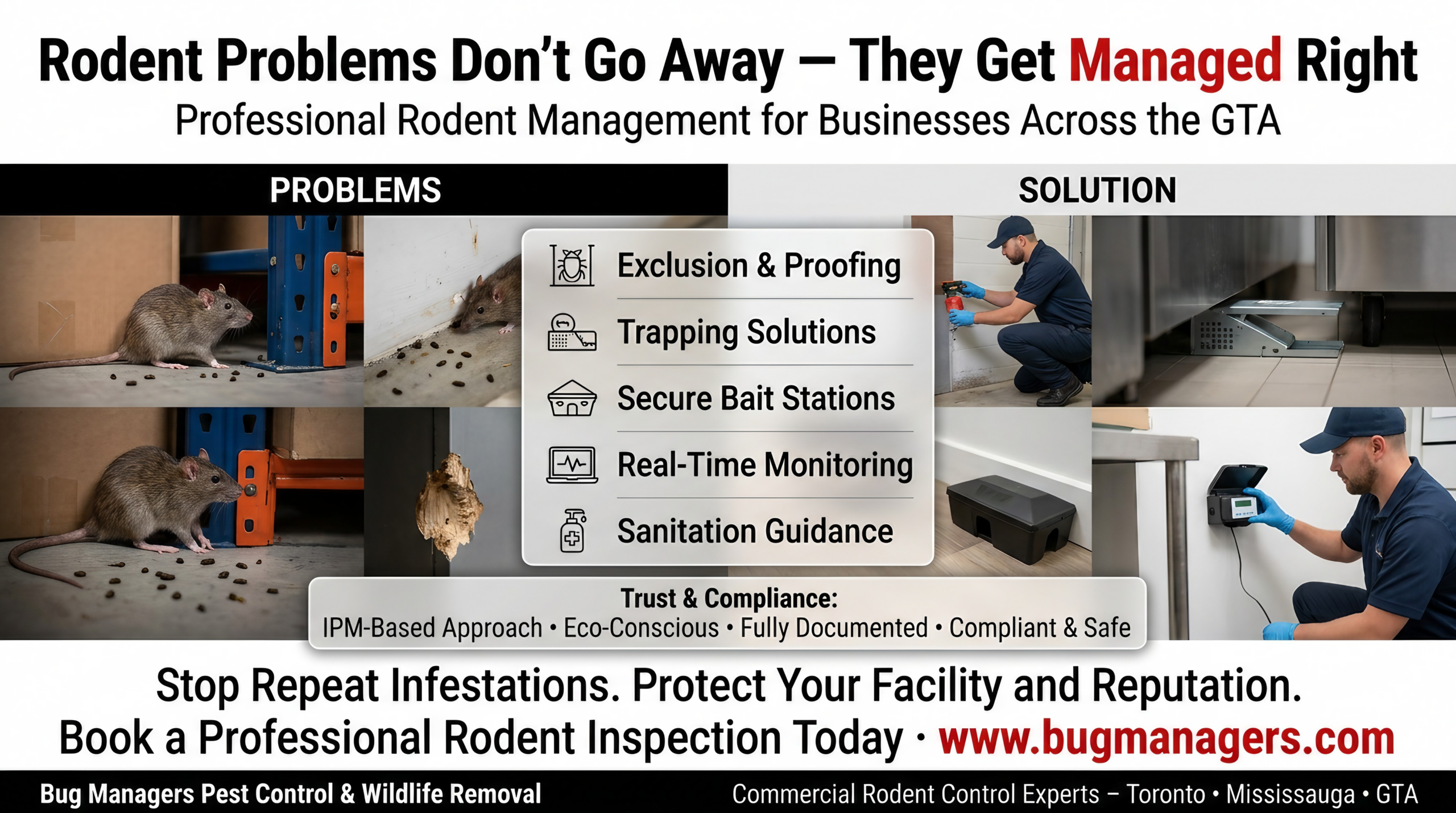
Names matter: know what you’re buying.
Exclusion / proofing
Sealing gaps, vents, and conduits. Materials range from steel mesh to commercial-grade sealants. Use when you need long-term prevention after active infestation is controlled. Exclusion reduces repeat visits and protects structural integrity. For commercial properties looking for local examples, see effective rodent control services in Brampton.
Trapping (snap, electronic)
Mechanical removal with low chemical risk. Snap and electronic traps kill quickly and are discreet. Use in customer-facing areas or for small, defined infestations where carcass management is straightforward. For focused removals and methods, review our Rat & Mice Removal guidance.
Baiting (secure stations)
Rodenticide inside locked, tamper-resistant stations. High efficacy for colonies but requires strict monitoring, safety controls, and documentation. Use when eradication is necessary and legal/food-safety rules allow. For large-scale commercial programs and vendor examples, consider external commercial rodent elimination services.
Monitoring (manual checks vs remote sensors)
Manual checks rely on scheduled physical inspections and paper logs. Remote monitoring uses sensors, IoT bait stations, or cameras to deliver real-time alerts and exportable logs. Use monitoring for early detection, trend analysis, and audit evidence.
Sanitation and housekeeping guidance
Not a treatment but the foundation: remove attractants, secure storage, manage waste. Housekeeping reduces the need for chemicals and makes other tactics work better. Also address invading insects — see our Ant Control guidance for integrated hygiene approaches.
Integrated Pest Management (IPM)
A strategy that combines inspection, exclusion, sanitation, trapping/baiting, and monitoring. IPM minimizes chemical use and focuses on prevention. For commercial sites, IPM is best practice.
Safety and compliance matter. In kitchens, baiting is tightly regulated; technicians must use approved products and document application. In public areas, traps must be discrete. Always confirm the provider follows local rules and provides SDS and application records.
How pricing works — read the quote like a pro
Cheap looks good until it costs you an audit or a re-infestation.
Common pricing models: one-time treatments for immediate problems, recurring monthly or quarterly contracts for prevention, tiered plans with add-ons, hourly or project pricing for exclusion work, and device-subscription fees for remote monitoring platforms. For an industry perspective on pricing approaches, see this practical guide on how to establish pest control prices.
| Service Type | Representative Range | Notes |
|---|---|---|
| One-time rodent job | $150–$500 | Higher for severe jobs or multi-visit removals |
| Recurring plans | $35–$2,000+/month | Depends on site size, risk, and monitoring tech |
| Exclusion / sealing | Quoted by labor or per entry point | Material and access work vary widely |
| Remote sensors | Device + monthly data fees | Often bundled into service contracts |
Read quotes like a pro. Demand an itemized price: inspection fee, equipment, labor, materials, ongoing monitoring, and emergency fees. Ask who owns hardware. Request sample invoices and monthly reports so comparisons are apples-to-apples. Red flags include no onsite inspection, vague scope, no written follow-up, or open-ended pricing language.
Compliance, HACCP and the records you must demand
If the proof isn’t on paper, it didn’t happen for an auditor.
Food and health industries expect preventive controls and documentation. A credible pest program fits into your HACCP or equivalent and shows exclusion, monitoring, and corrective actions. Recent cases where food firms were warned by the FDA over HACCP violations and rodent issues highlight the reputational and regulatory risk. Local health codes require you to keep pests out of food zones; inspectors will want records.
Ask for and retain: inspection reports and trap maps; service logs with dates and technician names; SDS for chemicals; pesticide application records; technician certifications; and before/after photos of exclusion work. Keep at least 12 months of records available, and confirm local auditor expectations — some sites maintain longer archives.
Insist on digital exports and PDF-ready reports for inspectors. Integrate pest logs into your food-safety program and require a corrective action plan for each incident. If a contractor can’t produce verifiable logs on demand, hire someone who can.
Remote monitoring vs traditional methods — the ROI and audit trail
Data changes behavior faster than weekly checks do.
Remote sensors and connected bait stations give instant alerts, heatmaps, and exportable logs. Traditional trapping relies on scheduled manual checks and is inherently reactive. Choose remote monitoring when you need fast response, strong audit trails, reduced labor, or you manage a large footprint like a warehouse or distribution center. Explore commercial remote monitoring solutions to compare capabilities and data export features.
Choose traditional or a hybrid approach for small shops or tight budgets — but demand frequent checks and thorough logging. Limitations of remote systems include upfront cost, connectivity dependence, false positives, and platform lock-in. Expect maintenance and occasional calibration.
ROI example: if technicians spend hours checking ordinary traps across a large site, remote alerts can reduce those visits and shift labor to exclusion work. In many cases, reduced travel and faster remediation pay back device costs within months — but ask vendors for a site-specific payback estimate.
Hiring checklist: exact questions, KPIs, SLAs and next steps
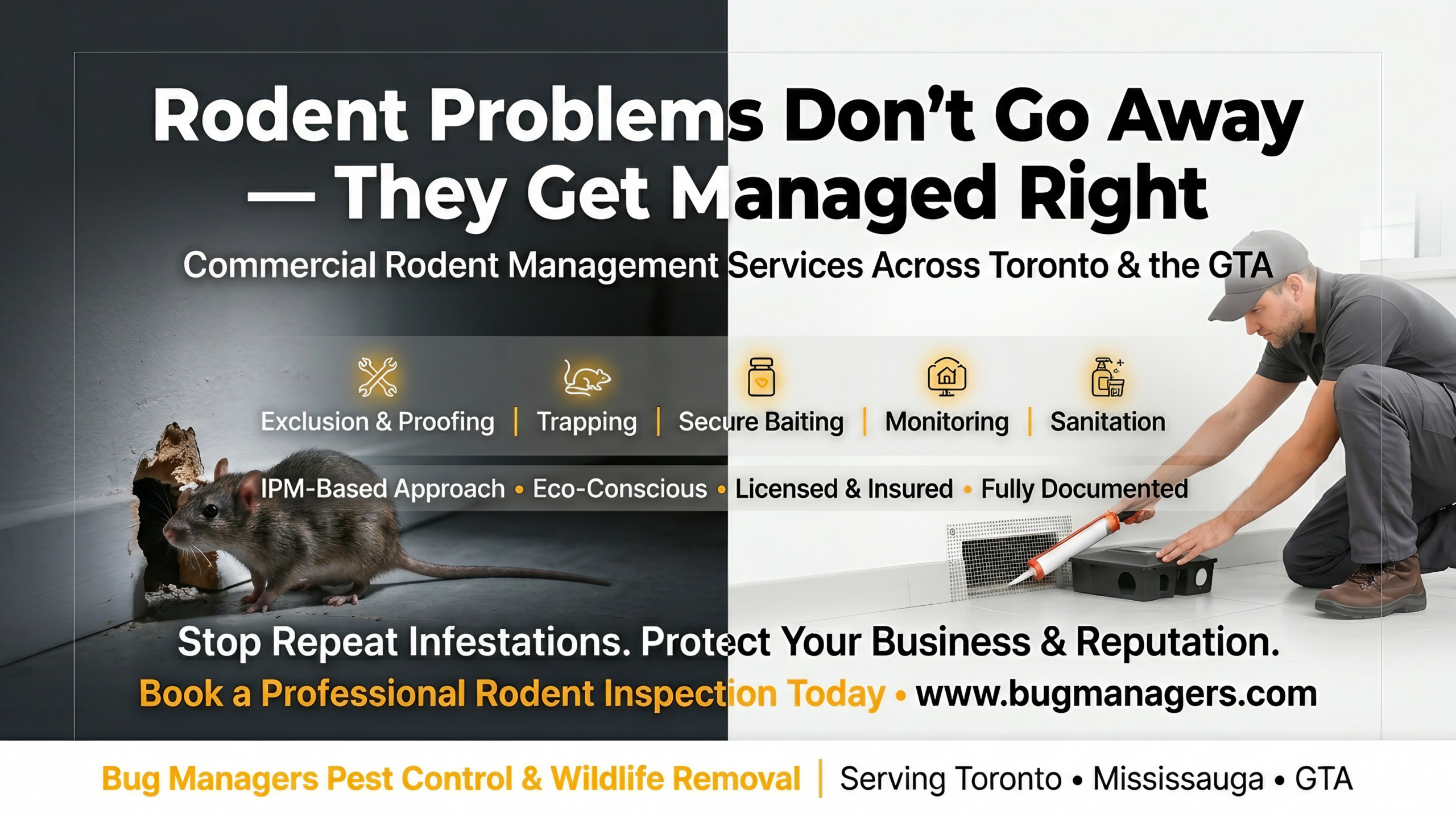
Hire for proof, not promises.
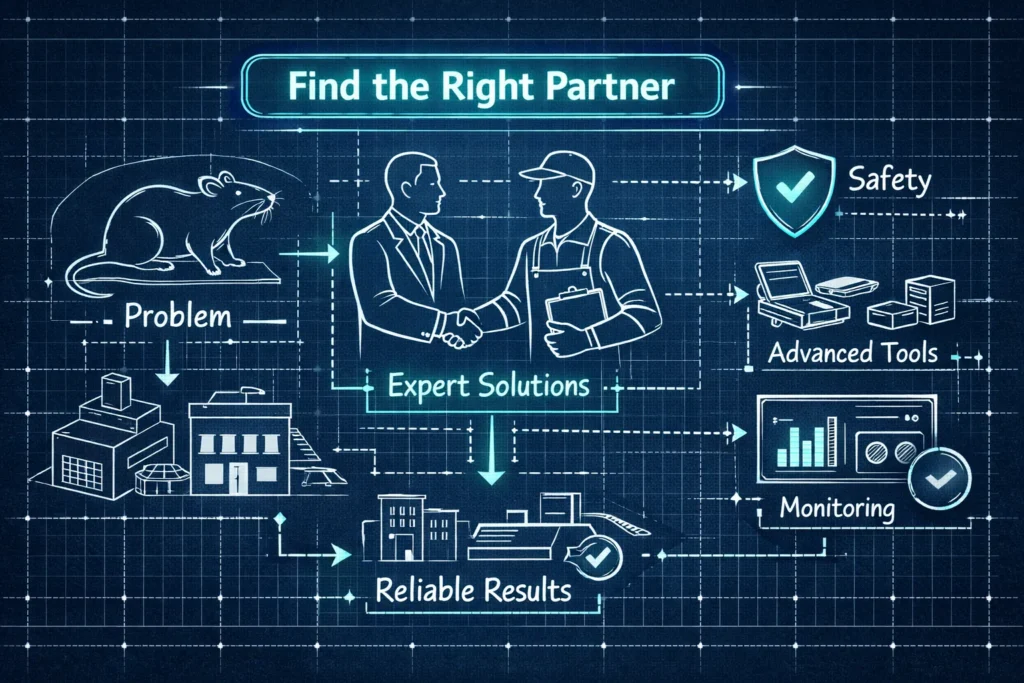
Before quoting, verify licensing and insurance, request technician certifications, and ask for three commercial references in your industry. Require a written baseline inspection and a map showing proposed trap and device placements and exclusion points before any work starts.
Ask these now: Do you deliver IPM? What is your response time for confirmed activity? How do you document treatments? Can I export monitoring data? What is your re-service guarantee?
Contract essentials: a response-time SLA (24–48 hours for confirmed activity), a re-treatment guarantee window, an itemized scope that states who pays for exclusion materials, explicit data access rights, and clean termination clauses. Track KPIs like time-to-response, incidents per 1,000 sq ft, percentage of closures within X days, and audit pass rate.
Demand documentation deliverables: weekly/monthly service reports, trap and device maps, photos of exclusion work, SDS and pesticide logs, and archived remote alerts if sensors are used. Set a 90-day review window after program start to verify performance and adjust scope.
Next Steps for Facility Managers
- Schedule a Baseline Inspection– Document current pest activity and facility vulnerabilities.
- Collect 2–3 Matched Quotes– Ensure each vendor proposal covers the same scope, service frequency, and deliverables; focus on value, not just price.
- Compare Scope, Not Price– Evaluate the quality of service, compliance, and included preventive measures to make an apples-to-apples comparison.
- Request a Sample Monthly Report– Review a vendor’s reporting format to ensure it meets your documentation and KPI needs.
- Finalize an Agreement– Sign a contract with clearly defined SLAs, reporting requirements, and commitments to documentation, monitoring, and IPM practices.
Tip: Treat signing as the start of the program, not the finish. Proper onboarding sets the stage for measurable results and long-term facility protection.
Sample answers you want to hear (Bug Managers example): licensed, insured technicians experienced with commercial properties; IPM-first approach with exclusion and humane removal; remote monitoring available with exportable audit logs; clear SLAs and re-service guarantees; tailored, itemized pricing with exclusion estimates; and a written plan to integrate pest controls into HACCP or your food-safety program.
Your job is to stop the problem before anyone sees it.
Use the checklist above to scope two or three vendors, demand audit-ready records, and schedule a baseline inspection. If you want an example quote or a baseline inspection in the GTA, Bug Managers will walk your team through exactly this checklist — start with a baseline inspection and a documented plan. See our Pest Control in Toronto and pest control services in Mississauga pages for local details.