Warehouse Pest Control Services in Ontario
Warehouse Pest Control Services in Ontario | Commercial & Industrial Pest Management | Bug Managers
A pest problem in a warehouse is more than an inconvenience—it can damage inventory, contaminate products, disrupt operations, create sanitation concerns, and affect your company’s reputation. Even minor activity from mice, rats, cockroaches, flies, ants, stored-product pests, birds, or wildlife can become a costly problem if it is not identified and controlled early.
Bug Managers Pest Control & Wildlife Removal provides professional warehouse pest control services for warehouses, distribution centres, storage facilities, logistics operations, manufacturing facilities, fulfillment centres, and other commercial and industrial properties throughout Ontario.
Our customized commercial pest management programs focus on prevention, monitoring, early detection, targeted treatment, and long-term protection using Integrated Pest Management (IPM) principles.
Whether you operate a small storage facility or manage a large distribution centre with multiple loading docks, we tailor your pest management program to the building layout, stored products, shipping activity, sanitation conditions, operating hours, and specific pest risks.
Why Warehouse Pest Control Matters
Warehouses can provide pests with shelter, food, water, warmth, and numerous places to hide. Frequent deliveries and shipments also create opportunities for pests to enter through loading docks, receiving areas, open doors, damaged seals, utility penetrations, floor drains, wall gaps, pallets, and incoming goods.
Without routine inspections and preventive pest control, activity can develop unnoticed behind storage racks, inside pallet areas, around loading bays, utility rooms, employee areas, waste zones, and exterior perimeters.
Professional warehouse pest control helps protect:
- Inventory and stored products
- Shipping and receiving areas
- Loading docks and bay doors
- Pallets, shelving and storage racks
- Packaging materials
- Employee and break areas
- Waste and recycling zones
- Building interiors and exterior perimeters
- Equipment and infrastructure
- Your business reputation
Regular inspections, monitoring, sanitation recommendations, rodent control, exclusion and preventive pest management can help identify vulnerabilities before they develop into larger infestations.
Early detection is particularly important in busy warehouse environments, where pests can remain hidden for extended periods and potentially spread through stored goods or different areas of the facility.
Bug Managers Pest Control & Wildlife Removal develops practical, prevention-focused pest management solutions designed to help warehouses maintain cleaner, better-protected facilities while minimizing disruption to everyday operations.
300+ Google Customer Reviews
Trusted by 1000+ Customers
Our Warehouse Pest Control Process
Thorough Warehouse Inspection
We begin with a comprehensive inspection of your warehouse and surrounding exterior to identify existing pest activity, potential entry points, nesting or harbourage areas, and conditions that may attract pests. Our technicians carefully assess loading docks, receiving areas, storage racks, utility rooms, waste zones, door seals and building perimeters to determine pest risks and develop a customized prevention and control plan.
Customized Warehouse Pest Management Plan
Based on our inspection findings, we develop a customized warehouse pest management plan tailored to your facility’s specific pest risks, layout, operations and storage conditions. Our approach focuses on effective treatment, prevention and long-term pest control while minimizing disruption to your employees, inventory and daily operations.
Targeted Pest Control & Prevention
Using the inspection findings, we apply targeted pest control solutions to areas where activity and risks are identified. Our approach combines appropriate treatments, monitoring, exclusion and preventive measures to help control existing pest problems, reduce future infestations and provide long-term protection for your warehouse, inventory and operations.
Ongoing Pest Monitoring & Preventive Maintenance
We provide routine inspections and ongoing pest monitoring to identify new activity before it develops into a larger problem. Monitoring devices, high-risk areas and potential entry points are regularly assessed, with preventive measures adjusted as needed to help protect your warehouse, inventory and daily operations year-round.
Protect Your Warehouse. Protect Your Inventory. Keep Pests Out. Call Bug Managers Today for Your FREE Pest Inspection!
Pest & Wildlife Control Services
Need Help Protecting Your Warehouse from Pests? Start Here
Warehouse Pest Control Resources
Protecting a warehouse involves more than responding to pest activity—it requires proactive prevention, regular monitoring, and effective long-term pest management. Whether you operate a warehouse, distribution centre, fulfillment facility, storage facility, or logistics operation, understanding how pests enter and what conditions attract them is essential.
Below, you’ll find expert answers to common warehouse pest control questions, practical prevention tips, and guidance on Integrated Pest Management (IPM) to help reduce pest risks, protect inventory, maintain cleaner facilities, and support efficient, pest-free operations.
Restaurants We Service
Warehouses & Industrial Facilities We Protect
Our warehouse pest control services in Ontario are suitable for a wide range of commercial, industrial, storage, and distribution environments, including:
- Warehouses
- Distribution centres
- Fulfillment centres
- Logistics facilities
- Storage facilities
- Manufacturing facilities
- Shipping and receiving centres
- E-commerce warehouses
- Retail distribution warehouses
- Cold storage facilities
- Packaging facilities
- Wholesale warehouses
- Industrial buildings
- Self-storage facilities
- Property management facilities
- Multi-unit commercial properties
- Food and beverage warehouses
Signs Your Warehouse May Have a Pest Problem
Pests can remain hidden in large warehouses for long periods, especially behind racks, pallets, equipment, and stored inventory. Common warning signs include:
- Rodent droppings or urine stains
- Gnaw marks on boxes, wiring, or packaging
- Damaged inventory or packaging
- Cockroach or insect sightings
- Webbing or larvae in stored products
- Unusual pest-related odours
- Scratching sounds in walls or ceilings
- Nesting materials
- Bird activity around loading docks or roof areas
- Pest activity near garbage and recycling areas
- Increased pest sightings reported by employees
Early action can help prevent pest activity from spreading and reduce the risk of damage to inventory, equipment, and your facility.
Our Warehouse Pest Control Process
| Step | What We Do |
|---|---|
| Initial Inspection | Inspect the warehouse interior, exterior, loading areas, storage zones, and other high-risk locations for pest activity and entry points. |
| Risk Assessment | Identify conditions that may attract or support rodents, insects, birds, and other pests. |
| Customized Pest Management Plan | Develop a site-specific plan based on your warehouse layout, operations, pest activity, and risk level. |
| Targeted Control | Use appropriate, targeted pest management methods while minimizing unnecessary treatment. |
| Monitoring | Strategically monitor high-risk areas to help identify new pest activity early. |
| Exclusion & Proofing | Recommend sealing gaps, damaged doors, utility openings, vents, and other potential pest entry points. |
| Prevention | Provide practical recommendations for sanitation, waste management, storage, and structural improvements. |
| Ongoing Maintenance | Conduct scheduled inspections and preventive maintenance to support long-term pest protection. |
Why Warehouses Choose Bug Managers
- Commercial and industrial pest control expertise
- Integrated Pest Management (IPM) approach
- Prevention-focused pest management
- Targeted treatment methods
- Rodent monitoring and control programs
- Pest exclusion and proofing recommendations
- Flexible scheduling to minimize operational disruption
- Preventive maintenance programs
- Same-day service options when available
- Licensed and insured technicians
- Humane wildlife removal where applicable
- Detailed inspection findings and recommendations
- Single-site and multi-location service options
Our approach prioritizes inspection, prevention, exclusion, monitoring, sanitation, and targeted control, helping reduce pest risks while minimizing unnecessary pesticide use.
Warehouse Pest Prevention Checklist
✓ Keep loading and receiving doors closed when not in use
✓ Inspect incoming shipments and pallets for pest activity
✓ Store products off the floor where practical
✓ Keep storage and racking areas clean and organized
✓ Remove damaged cartons and unnecessary clutter
✓ Empty garbage and recycling regularly
✓ Keep exterior waste containers properly secured
✓ Repair damaged door sweeps and weather seals
✓ Seal gaps around pipes, utilities, walls, and foundations
✓ Address water leaks and moisture problems promptly
✓ Monitor loading docks and receiving areas
✓ Schedule routine professional warehouse pest inspections
Frequently Asked Questions About Warehouse Pest Control
1. Why is professional pest control important for warehouses?
Warehouses can provide pests with shelter, warmth, water, and access to stored materials. Rodents and insects may also enter through loading docks, incoming shipments, damaged doors, utility openings, and structural gaps.
Professional warehouse pest control helps identify activity early, protect inventory and infrastructure, and reduce the likelihood of larger infestations.
2. How often should a warehouse have professional pest control?
The appropriate service frequency depends on the warehouse size, type of stored products, building condition, pest history, shipping volume, surrounding environment, and overall risk level.
Many facilities benefit from scheduled pest inspections and ongoing monitoring throughout the year, while higher-risk warehouses may require more frequent service.
3. What are the most common pests found in warehouses?
Common warehouse pests can include:
- Mice
- Rats
- Cockroaches
- Ants
- Flies
- Beetles
- Indian meal moths
- Stored-product pests
- Spiders
- Wasps
- Birds
- Wildlife around exterior areas
Because different pests behave differently, proper identification and inspection are important before determining the appropriate control strategy.
4. Can warehouse pest control be performed without disrupting operations?
In many cases, yes. Our commercial pest control services can be planned around your facility’s operating schedule whenever practical.
We focus on targeted treatments, monitoring, exclusion, and preventive measures designed to minimize unnecessary disruption to employees, inventory, shipping, and receiving operations.
5. What are the signs of rodents in a warehouse?
Possible signs include droppings, gnaw marks, damaged packaging, nesting materials, scratching sounds, unusual odours, tracks, or repeated employee sightings.
Rodent activity should be investigated promptly because mice and rats can remain hidden behind racks, pallets, equipment, and structural voids.
6. How can warehouses prevent pest infestations?
Effective prevention typically combines:
- Good sanitation
- Proper waste management
- Routine inspection of incoming goods
- Organized inventory storage
- Moisture management
- Structural maintenance
- Sealing potential entry points
- Pest monitoring
- Regular professional inspections
A prevention-focused program can address conditions that attract pests instead of relying solely on treatments after an infestation develops.
7. What is Integrated Pest Management (IPM) for warehouses?
Integrated Pest Management (IPM) is a comprehensive approach that emphasizes prevention and long-term control.
It can include pest identification, inspections, monitoring, sanitation recommendations, exclusion, structural improvements, habitat modification, and carefully targeted treatments when appropriate.
The objective is to address the conditions contributing to pest activity while using the least disruptive effective approach appropriate for the situation.
8. Do you provide rodent control for warehouses?
Yes. Warehouse rodent control is an important part of commercial pest management.
Our technicians inspect for rodent activity and potential entry points, assess high-risk locations, establish appropriate monitoring and control measures, and recommend exclusion or structural improvements to help reduce future activity.
9. Can you help protect loading docks and receiving areas?
Yes. Loading docks and receiving areas are common pest pressure points because doors are frequently opened and goods regularly enter the building.
We inspect these areas for structural gaps, damaged seals, pest activity, sanitation concerns, and other conditions that may increase the risk of pests entering your warehouse.
10. Do you provide pest control for large warehouses and distribution centres?
Yes. Bug Managers provides commercial pest management for warehouses, distribution centres, storage facilities, logistics operations, manufacturing facilities, and other industrial properties.
Programs can be customized according to facility size, layout, operating hours, pest pressures, and business requirements.
11. Are your warehouse pest control methods humane?
Our approach emphasizes Integrated Pest Management, prevention, monitoring, exclusion, sanitation, and targeted intervention. For wildlife situations, we prioritize humane removal and exclusion methods where appropriate and permitted.
Because different pests and infestation levels require different control methods, we do not make unrealistic claims that every pest-control situation can be handled using removal alone. Instead, our goal is responsible, effective pest management with prevention at the centre of the program.
12. Do you offer ongoing warehouse pest monitoring?
Yes. Ongoing monitoring can help detect pest activity before it becomes a larger infestation.
Depending on your facility’s needs, a program may include scheduled inspections, monitoring of high-risk areas, entry-point assessments, sanitation recommendations, and adjustments to preventive measures.
13. Can warehouse pest control help protect inventory?
A professional pest management program can help reduce the risk of pest-related damage to cartons, packaging, stored products, equipment, and other materials.
Although no pest control company can guarantee that pests will never enter a commercial facility, regular monitoring and prevention can significantly improve early detection and risk management.
14. Do you provide emergency warehouse pest control?
Bug Managers offers rapid-response and same-day service options when availability permits for commercial facilities experiencing urgent pest activity.
Our technicians can assess the situation, identify the pest and recommend appropriate next steps to help bring the problem under control.
15. Which areas do you provide warehouse pest control services in?
Bug Managers provides warehouse and commercial pest control services in Mississauga, Brampton, Toronto, Oakville, Milton, Vaughan, and surrounding GTA communities, with service availability in other Ontario locations depending on the project.
16. How do I book a warehouse pest inspection?
Contact Bug Managers Pest Control & Wildlife Removal to discuss your facility and arrange a commercial pest inspection.
Our team can assess pest activity, identify entry points and risk factors, and recommend a customized warehouse pest management program focused on monitoring, prevention, exclusion, and long-term protection.
Protect Your Warehouse from Pest Problems
Don’t wait until pest activity begins damaging inventory or disrupting operations. A proactive warehouse pest control program can help identify vulnerabilities early and provide ongoing protection for your facility.
Protect Your Warehouse. Protect Your Inventory. Keep Pests Out.
Call Bug Managers today to discuss your warehouse pest control needs.
We begin with a comprehensive inspection of your warehouse and surrounding exterior to identify pest activity, potential entry points, and high-risk conditions. Our technicians look for signs such as droppings, gnaw marks, damaged packaging, nesting materials, structural gaps, and pest activity around loading docks and storage areas. This assessment helps us understand the problem and develop the most appropriate pest management and prevention plan for your facility.
Based on our inspection findings, we use targeted pest control and removal methods appropriate for the specific pest problem. For wildlife, we prioritize humane removal and exclusion techniques where applicable. For rodents and insects, we use carefully selected monitoring and control measures to address activity while minimizing disruption to your warehouse, employees, inventory, and daily operations.
Once pest activity is addressed, we focus on preventing future problems by identifying and recommending solutions for potential entry points such as gaps, cracks, damaged door seals, vents, utility openings, and loading dock areas. We also provide practical guidance on sanitation, storage, waste management, and ongoing monitoring to help keep your warehouse protected year-round.
After pest activity is controlled, we can address affected areas, nesting debris, droppings, and pest-related contamination where applicable. Our cleanup and sanitation recommendations help restore affected areas, improve overall facility hygiene, and reduce conditions that may attract future pest activity.
Our service doesn’t end after the initial pest problem is addressed. We provide scheduled inspections and ongoing monitoring of high-risk areas such as loading docks, storage zones, utility areas, waste areas, and building perimeters. Regular monitoring helps detect new pest activity early, identify changing risk conditions, and maintain effective preventive measures for long-term warehouse protection.
Every warehouse has different pest risks based on its size, layout, stored products, shipping activity, and surrounding environment. We develop a customized warehouse pest control program combining inspection, monitoring, targeted control, exclusion, and preventive strategies. This site-specific approach helps reduce recurring pest activity, protect inventory, and support a cleaner, better-protected facility throughout the year.
Common Warehouse Pest Problems in Ontario
Ontario’s warehouses and commercial facilities can face a variety of pest problems throughout the year. Rodents, cockroaches, flies, ants, stored-product pests, birds, and occasional wildlife may enter through loading docks, shipments, structural gaps, vents, and utility openings. Here are some of the most common warehouse pest problems in Ontario and the risks businesses should watch for:

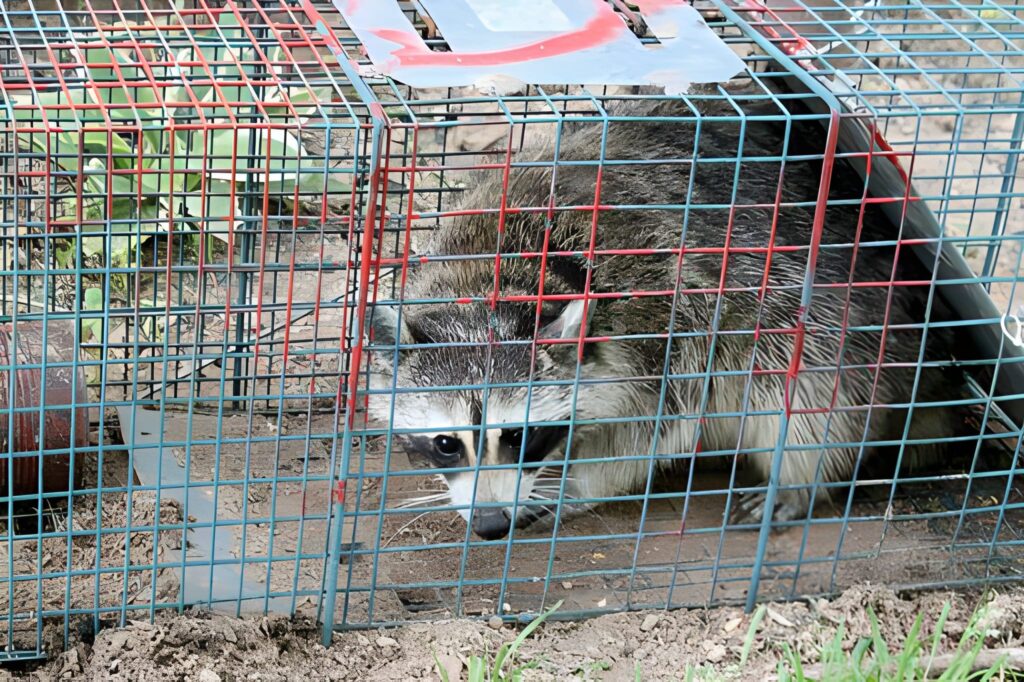
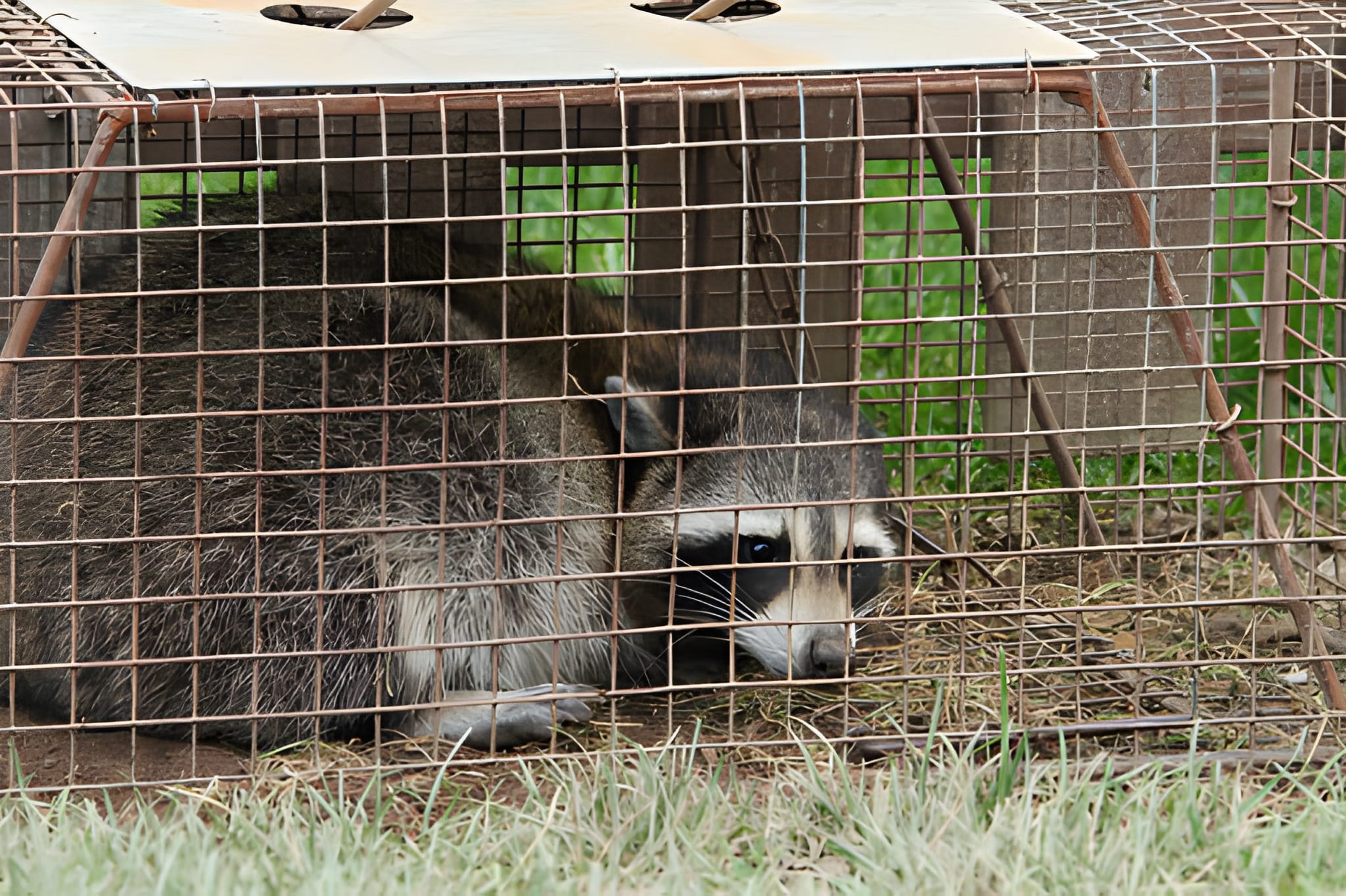
Raccoons are clever little guys. They’ll find their way into your attic or crawl space and can cause a ton of damage—tearing up insulation, chewing through vents, you name it. They’re also nocturnal, so you’ll probably hear them rummaging around at night.

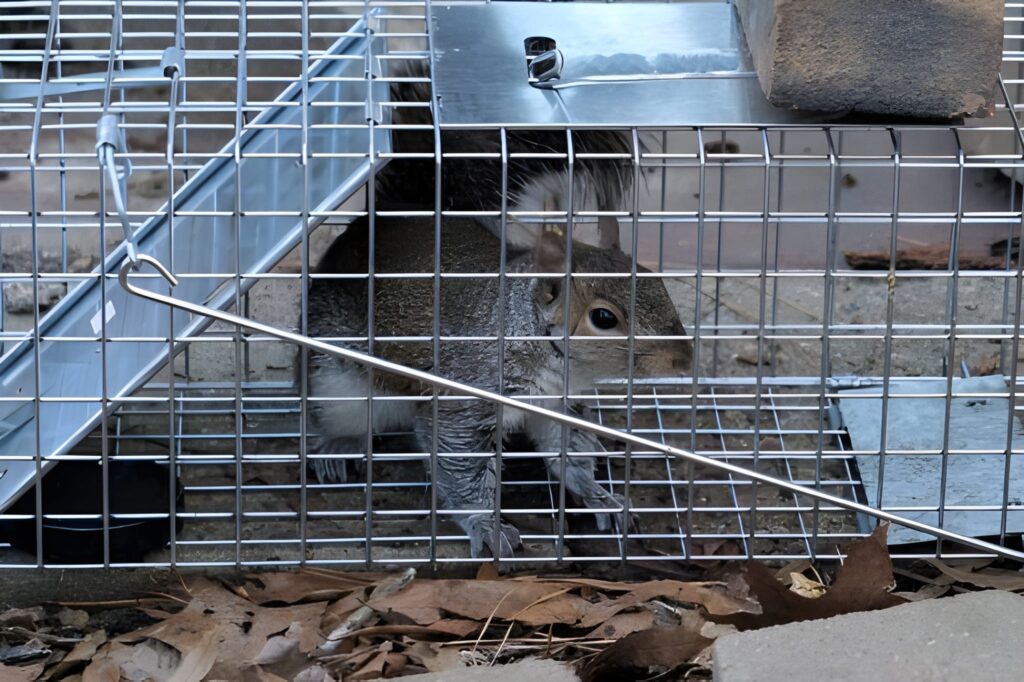
They may look cute, but squirrels are notorious for causing damage. They love to nest in attics or walls and will chew through anything—wires, insulation, wood. Plus, their droppings and urine can cause health problems.

Bats are protected in Ontario, so if you’ve got them roosting in your attic, you’ll need to deal with it the right way. They leave behind guano (bat droppings), which can be a health risk. We take care of bats safely and make sure they don’t return.

Skunks are mostly active at night, digging around in your yard looking for food. The trouble starts when they get scared and spray you (or your pets)—and trust us, you’ll know that smell. We safely relocate skunks without getting sprayed in the process.

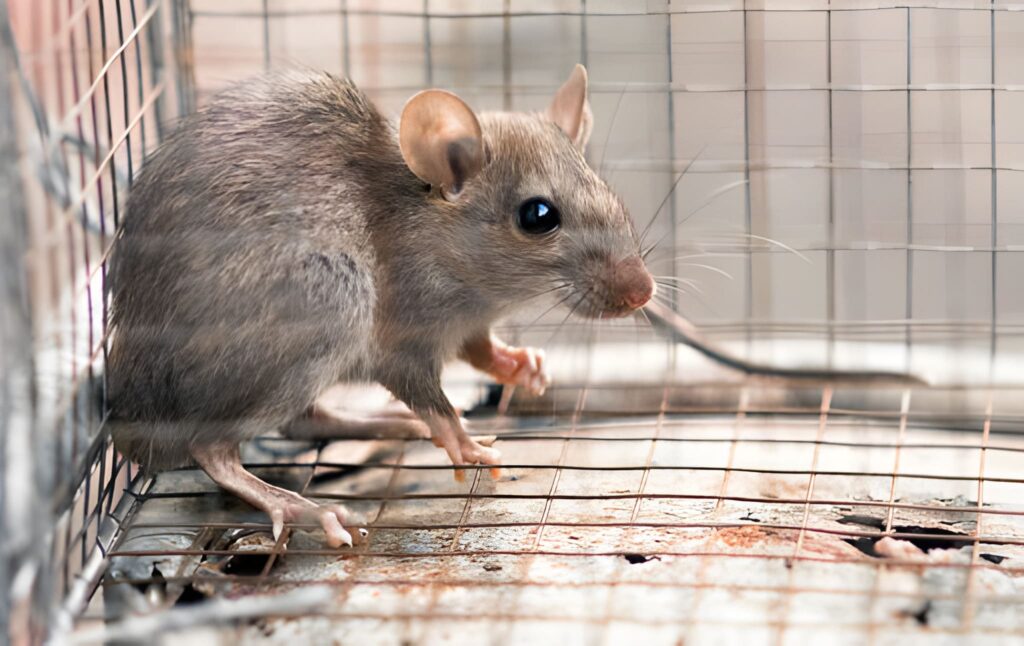
Not exactly wildlife, but rats and mice are a huge issue in homes, especially in colder months. They can contaminate food, spread diseases, and chew through wires and insulation. We treat rodent problems with the same care and humane methods we use for larger animals.
Birds such as pigeons and sparrows may nest or roost around warehouse roofs, loading docks, vents, ledges, and exterior structures. Droppings, nesting materials, and persistent bird activity can create sanitation concerns and maintenance problems. Professional bird control and exclusion can help discourage roosting and protect your warehouse from recurring bird activity.
Commercial Pest & Wildlife Prevention Tips for Ontario Warehouses
Keep doors closed when possible and repair damaged door sweeps, seals, and weather stripping.
Repair cracks, gaps, utility openings, damaged vents, and other potential pest access points.
Repair leaking pipes, improve drainage, and reduce standing water around your property. Keep storage areas organized and remove unnecessary clutter that can provide hiding and nesting areas for pests.Inspect Incoming Shipments: Check pallets, cartons, packaging, and deliveries for signs of rodents, insects, or stored-product pests.Inspect Incoming Shipments: Check pallets, cartons, packaging, and deliveries for signs of rodents, insects, or stored-product pests.
Inspect rooflines, vents, soffits, and exterior openings that may provide access for birds or wildlife.
Regular monitoring and preventive maintenance help keep your warehouse protected year-round. Focus on loading docks, receiving areas, waste zones, utility rooms, exterior perimeters, and other high-risk areas. Keep vegetation and debris away from the building where practical, and schedule routine warehouse pest inspections to identify pest activity, entry points, and potential risks before they become larger problems.
Get Your Free Estimate
Why Choose Bug Managers for Commercial Pest & Wildlife Control?
Our licensed technicians have the knowledge and experience to provide safe, effective pest and wildlife management solutions for businesses across a wide range of industries.
We understand that every commercial property is unique. That's why we develop tailored treatment and prevention programs designed around your business, facility, and operational requirements.
Our proactive IPM approach combines detailed inspections, targeted treatments, exclusion methods, and ongoing monitoring to help deliver effective, long-term pest prevention.
From routine maintenance programs to emergency pest control, we provide dependable service, flexible scheduling, and practical solutions to help keep your business protected year-round.