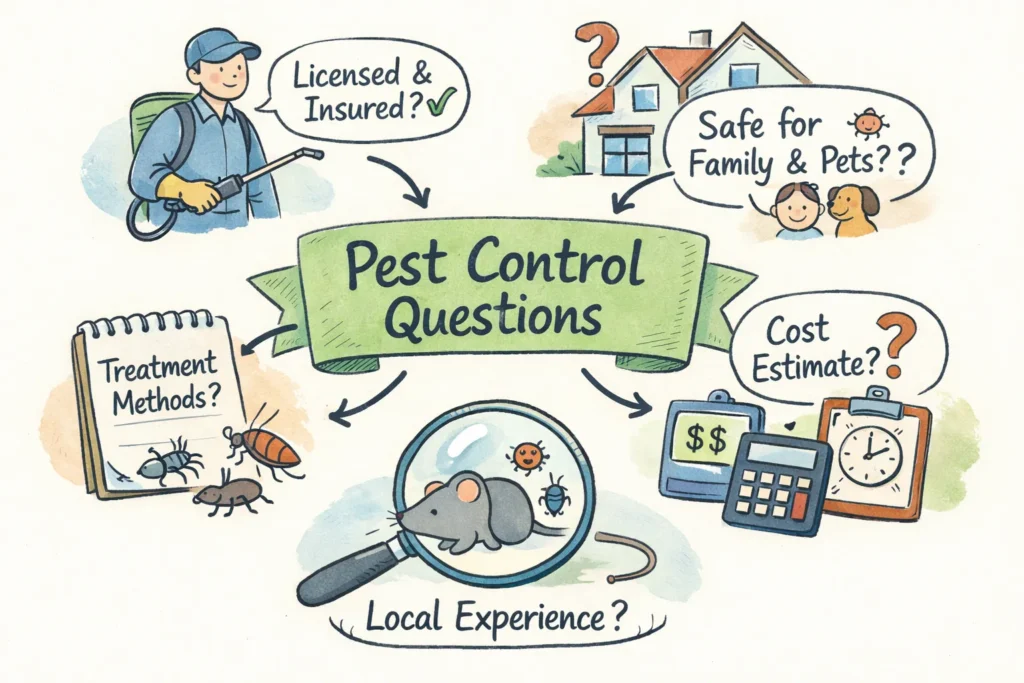
Stop guessing. Vet a pest company in five minutes.
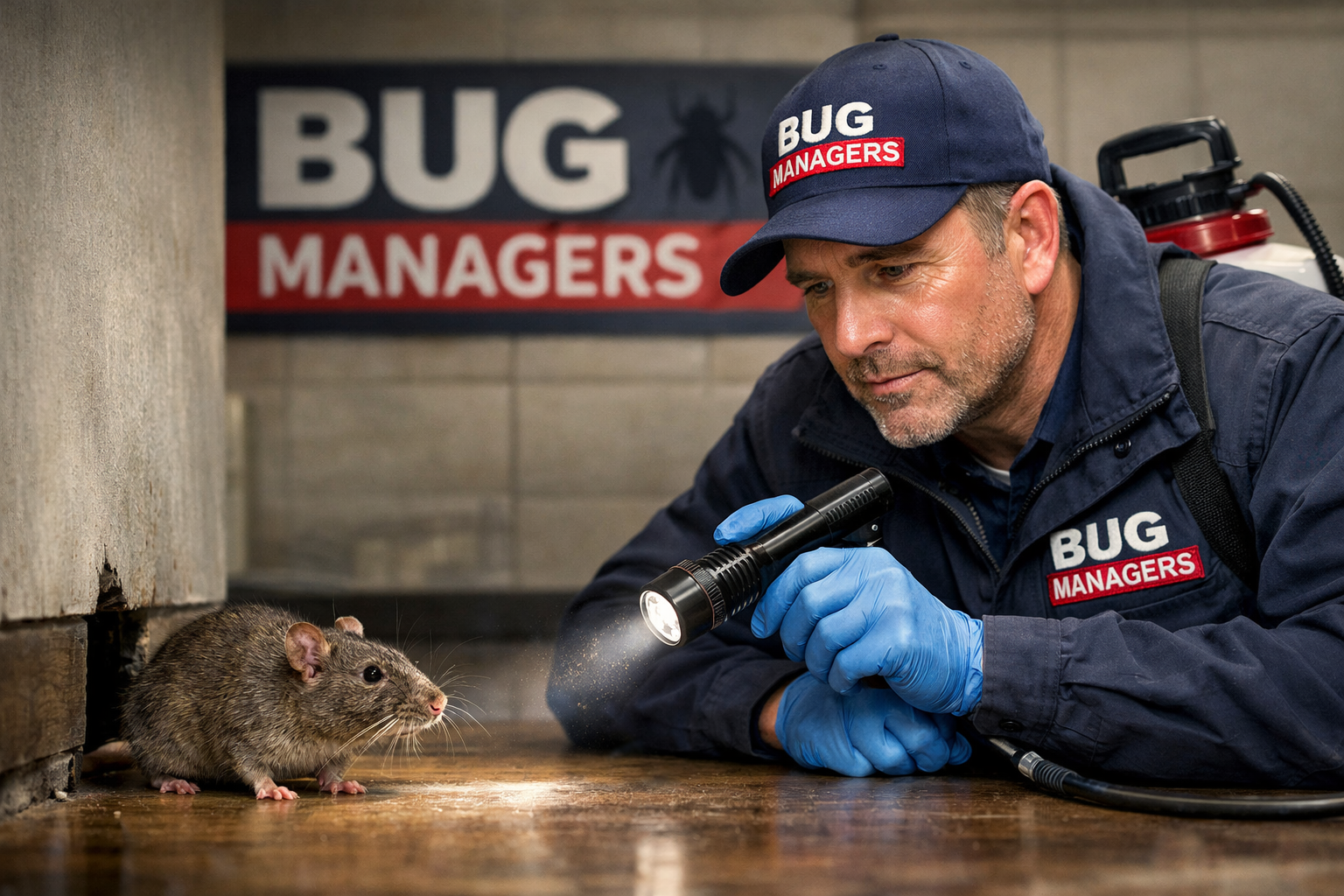
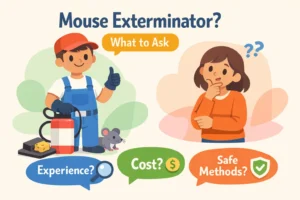
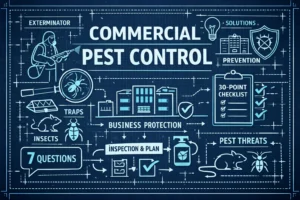
If you’re searching for local pest control or rodent removal, don’t call the first result. Ask a few sharp questions and you’ll see who knows what they’re doing and who’s selling hope. This checklist separates pros from pretenders fast. Yes—we at Bug Managers answer every one of these on the first call.
- Are you licensed and insured? Can you share the licence number and insurance certificate?Why: Licensing proves legal authority. Insurance protects you if something goes wrong. A reputable company will give a licence number and send a Certificate of Insurance (COI) without hesitation.Good answer: They give an operator/exterminator licence number, the insurer’s name, and offer to email the COI. Red flag: “We’re covered” with no proof.
- Will you perform an on‑site inspection and give a written plan?Why: Quoting from a photo or over the phone invites surprise bills and missed problems. Inspections reveal entry points, nests, and sanitation issues.Good answer: On‑site inspection with photos and a short written treatment and proofing plan. Red flag: Price quoted over the phone without seeing the home.
- Do you include exclusion/proofing or only baiting/poison?Why: Long‑term control is exclusion plus sanitation. Killing rodents without sealing entry points is a temporary fix.Good answer: Inspection plus proofing options and cost estimates for sealing holes, door sweeps, and mesh. Red flag: “We only set bait” or “we don’t do sealing.”
- What methods and products will you use? Are pet‑ and child‑safe options available?Why: You deserve to know exposure risks and alternatives. The company should name products and offer eco‑minded choices when possible.Good answer: Product names, EPA/label details, and non‑toxic options on request. Red flag: Refusal to name products or “it’s harmless.”
- What is the price, what’s included, and do you guarantee the work?Why: Compare scope, not just the bottom line. Insist on an itemized, written guarantee so expectations and follow‑ups are clear.Good answer: Itemized quote listing inspection, exclusion, traps/bait, follow‑ups and guarantee period. Red flag: “Price may change” or no follow‑up included.
- How do you handle sanitation and dead animals?Why: Health risks like Hantavirus are real. Cleanup must be safe and professional; odors and contamination can persist if handled poorly.Good answer: Includes safe cleanup or clear instructions, PPE explained. Red flag: “We’ll leave carcasses for you to dispose of.”
- Can you provide local references and emergency response times?Why: Speed and local experience matter. Rodents escalate quickly—response time affects damage and risk.Good answer: Local references, recent reviews, and a clear response window. Red flag: No refs and long waits.
The 30‑second phone script
“Hi—I’m at [address]. Do you do on‑site inspections? What’s your operator licence number and can you email your COI? Will you include exclusion/proofing in the written quote? What’s a ballpark cost and your earliest availability?”
What a proper rodent job actually looks like — the five steps
- Inspection. The technician checks attic, crawl space, foundation gaps, food sources, droppings and entry paths. Expect photos and a short written summary.
- Exclusion / proofing. Seal holes larger than ¼‑inch with steel wool, hardware cloth, flashing, door sweeps and caulking. Ask for a map of sealed spots and the materials used.
- Trapping / baiting. Snap traps, tamper‑resistant bait stations or live traps are positioned and documented. Use depends on species, risk to pets, and client preference.
- Sanitation. Remove food sources and contaminated material safely. Pros wet‑spray droppings with disinfectant—do not dry sweep or vacuum. For step‑by‑step cleanup guidance after rodent activity, refer to the CDC’s rodent cleanup guidance for safe procedures and PPE recommendations.CDC’s rodent cleanup guidance
- Follow‑up. Re‑inspect, check traps, and re‑seal as needed. Expect an initial schedule (often 2–4 weeks) and checks afterward for high‑risk homes.
Demand a written plan, photos, and a timeline. Red flags are simple: no inspection, no proofing, and “set it and forget it” service.
Money talk, licences and guarantees — what to expect
Realistic Ontario/GTA ranges: one‑time rodent programs commonly start around CAD 250–800 depending on scope. Standard residential packages typically sit in the CAD 295–550 bracket. Large exclusion jobs can reach or exceed CAD 1,000. Recurring preventive plans run roughly CAD 100–125 per month or CAD 400–600+ annually for broader coverage.
Price drivers are straightforward: property size, interior versus exterior work, attic complexity, travel distance, materials (steel mesh vs caulk), and emergency fees. Cheap, vague flat fees are often a trap.
An itemized quote should show:
- Inspection fee (if any) and scope
- Exclusion materials and labor
- Trap/bait costs and number of follow‑ups
- Cleanup/disposal charges
- Warranty length and terms
Get 2–3 written quotes and compare scope, not just the bottom line. Verify licences quickly: request the operator/exterminator licence number and COI, then confirm via the provincial regulator—see Ontario’s pesticide licensing guide for details on permits and certifications. Ontario’s pesticide licensing guide
Day‑of safety and prep — what you must do now
Do not sweep or vacuum droppings. Dry actions can aerosolize particles and raise hantavirus risk. Professionals wet‑spray with disinfectant and remove contaminated material safely.
Secure people and pets. Put pets and tanks away. Move pet food and bowls. Clear access to attics, crawl spaces and exterior walls. Seal open food and trash. Tell the tech about pregnancies, immuno‑issues, or respiratory problems.
If you find droppings or a dead rodent: ventilate the area for 30 minutes, spray droppings with a 1:10 bleach solution or EPA‑registered disinfectant, wear gloves and an N95, bag materials, and call a pro for heavy contamination. For context on diseases rodents can carry and health precautions, review reputable resources on rodent‑borne illnesses. Diseases mice can carry
After treatment, follow re‑entry and ventilation instructions, keep trap logs and photos, and schedule follow‑ups as advised.
How to choose — a short decision flow and why Bug Managers
Run the seven questions first. Eliminate anyone who won’t show proof, inspect, or put a plan in writing. Compare 2–3 written quotes side by side. Match scope, guarantees and exclusions. Pick the company with clear licence/insurance, a written plan with photos, a reasonable timeline and a warranty you understand.
Choose humane or eco methods when feasible. Insist on exclusion and sanitation first. For heavy infestations, integrated approaches that may include lethal control can be necessary—good companies explain the trade‑offs and document them. For guidance on integrated pest management best practices for rodent control, see an industry toolkit on integrated pest management for rodent control. Integrated pest management for rodent control
Why consider Bug Managers? We answer the seven questions on the first call. We’re licensed, insured, and offer eco‑minded options. We provide free on‑site inspections, written plans with photos, follow‑up visits, and a proofing guarantee. We serve homes across the GTA (Toronto, Mississauga, Vaughan) and respond to emergencies. If you want a no‑nonsense inspection and a clear plan, we’re ready to help.
Sample booking script and final rule
“I want an on‑site inspection at [address]. Please email your licence number and COI. Will you include proofing in the quote? When can you come this week?”
Final rule: ask these questions. Demand a written plan. If a company won’t show proof, move on. If you want a straightforward inspection and a clear, documented plan—call Bug Managers for a free quote and same‑day advice.