Make your yard uninviting
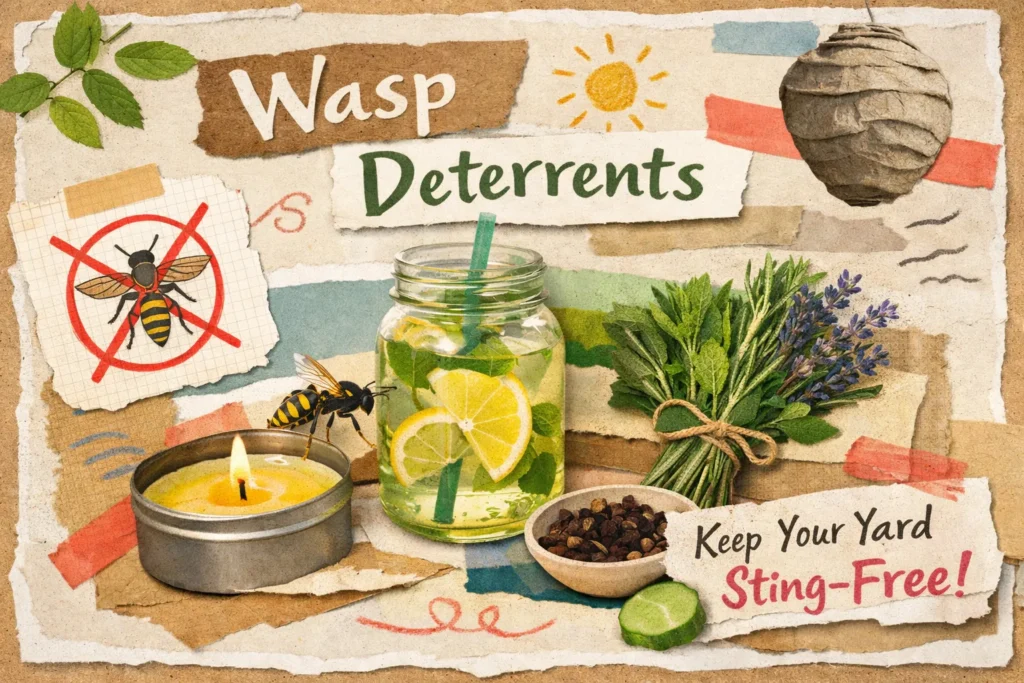
Wasps aren’t evil — they’re opportunists. Make your yard uninviting.
You’ll get 13 safe, evidence-backed tactics: proofing moves, scent barriers, DIY sprays and traps, plus a simple triage so you know when to call a pro. If you want a guaranteed, eco-friendly fix instead of experimenting, Bug Managers covers the GTA with humane removal and exclusion work.
Quick triage: when a deterrent will do — and when to call Bug Managers
If you see single, lazy wasps near food or garbage, deterrents often work. If you see many wasps coming and going from the same spot, you probably have a nest. Aerial nests under eaves are visible; ground nests near play areas are urgent. Identify species roughly — yellowjackets are aggressive and shift between ground and aerial food; paper wasps make umbrella nests; solitary wasps are usually harmless and unaggressive. Call a pro if anyone is allergic, if the nest is inside walls or an attic, if the nest is large or growing fast, or if nests return year after year despite your efforts. Immediate rules: don’t swat at wasps or smash food near them; cover drinks and move people calmly away; don’t seal an active indoor nest closed. For same-day emergency removal and long-term proofing, contact Bug Managers via our emergency removal page.
The 13 practical, non-toxic deterrents (what to try and when)
Group them mentally as stop (proofing), smell (scent barriers), trap (capture). Use several together for best results.
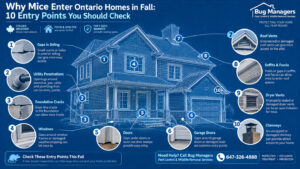
- Seal entry points and eaves — caulk cracks, patch holes, install mesh and foam. Do seasonal sealing late fall or early spring.
- Secure trash and compost — tight lids, metal cans, and regular cleaning deny food cues.
- Cover food and clean spills — lids while dining and quick washdowns after meals reduce attraction.
- Remove standing water and fix leaks — wasps need water; eliminate puddles and dripping taps.
- Tidy woodpiles, brush, and hollow logs — deny sheltered nest sites and overwintering pockets.
- Peppermint plants in pots — place by seating and doors; crush leaves to boost scent and irritation to wasps’ senses.
- Lemongrass and citronella — potted near BBQs and tables; citrus-scented oils also repel many species.
- Thyme, basil, and wormwood — low-maintenance border herbs that add scent barriers and culinary value.
- Evidence-backed essential-oil mixes — clove + geranium + lemongrass combos block attraction in field tests; use diluted sprays (recipes below).
- Simple peppermint spray — quick, low-complexity repellent for short-term use; keep away from pets.
- DIY sweet-bait bottle trap — inverted 2-liter trap with sugary bait draws foraging workers away from people (recipe below).
- Protein-bait bucket trap — early-season queens and yellowjackets respond to meat-based baits; use to reduce colony starts.
- Targeted non-toxic products or professional exclusion — plant-based sprays like EcoSMART, traps such as TrapStick, and professional sealing and mesh work by experts like Bug Managers.
These are tools, not instant exterminators for heavy infestations. Combine proofing, scent barriers, and traps.
Grow defense: which plants to use, where to put them, and why they work
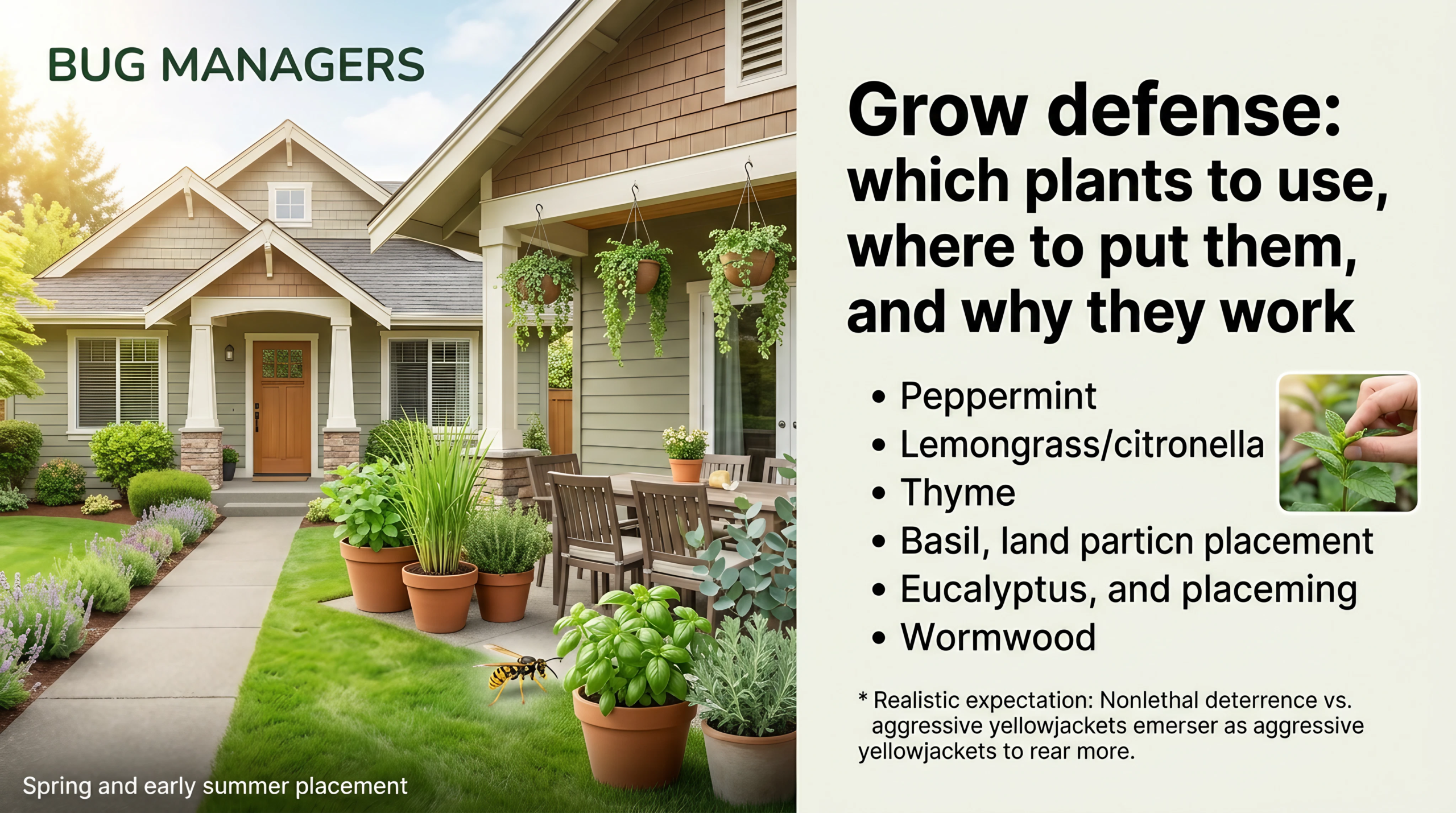
Plants are a living perimeter. They nudge wasps away; they don’t kill them.
Choose aromatic species: peppermint, lemongrass/citronella, thyme, basil, eucalyptus and wormwood. Their volatile oils mask food cues and interfere with wasp foraging. Peppermint and lemongrass are especially effective in trials for deterring vespids.
Placement matters. Cluster pots near dining zones and doors. Hang planters under eaves and create a scented border along walkways. Move pots into place in spring and early summer — that’s when queens choose nest sites. Pinch or crush leaves to release oils. Replace or refresh potted herbs each year. Watch hardiness zones and avoid invasive species.
Realistic expectation: these plantings reduce curiosity and deter some paper wasps. They’re less reliable against aggressive, ground-nesting yellowjackets.
Sprays that repel: evidence-backed essential-oil mixes, practical recipes, and safety
Field work points to clove, lemongrass, geranium, peppermint and rosemary as effective repellents, and combinations outperform singles. Studies don’t give strict home dilutions, so use cautious, tested ranges and pair sprays with physical prevention. Controlled studies and reviews back up the mix-and-match approach—see an open-access study on essential-oil repellents and a peer-reviewed review of vespid attraction and deterrents for more background.
Research-backed mix (3EO)
Recipe: 2 cups (500 ml) water + 20–30 drops total essential oil split roughly as clove 8–12 drops, lemongrass 6–10 drops, geranium 6–8 drops + 1 tsp dish soap + 1 tbsp white vinegar. Shake and spray eaves, door frames and patio ledges. Reapply after rain. Vinegar helps deter bees.
Simple peppermint spray (pet caution)
Recipe: 2 cups water + 15–20 drops peppermint oil + 1 tsp dish soap. Spray seating areas and pathways away from pets’ resting spots. Consult your veterinarian — some oils harm cats and small animals.
Application rules: spray at dawn or dusk when wasps are less active; test a small surface first for staining; avoid spraying food, utensils, or open plates; reapply after heavy rain. Safety & limits: essential oils are not EPA insecticides; concentrations vary; avoid pennyroyal or wintergreen around pets and children; some oils can damage sensitive plants — spot-test foliage. Treat sprays as nudges, not guaranteed eradication.
Traps and decoys: build a bottle trap, bait smart, and use decoys with realistic expectations
Traps reduce local numbers when used properly. They do not erase a large nest overnight.
Inverted 2‑liter bottle trap (step-by-step)
- Cut the bottle about one-third from the top so the neck section becomes a funnel.
- Invert the top into the bottom half and secure if needed.
- Add bait liquid (recipe below) and a few drops of dish soap to break surface tension.
- Hang 20–40 ft away from seating areas, about 4 ft high. Empty and reseal contents daily; use gloves.
Sweet bait: 1 cup apple juice or soda + 2 tbsp sugar + 1 tsp salt + 1–2 tbsp white vinegar + a few drops dish soap. Vinegar deters bees if you want to avoid catching pollinators. For early spring queens use protein baits (small meat bits suspended above soapy water).
Tube-nozzle and bucket traps: tube nozzles reduce escapes; bucket traps with soapy water and suspended meat are effective for protein-seeking yellowjackets. Placement: shade on hot days, sun on cool days. Timing: target queens early season; target workers late summer with sweets.
Cleanup & safety: check traps daily; dispose of contents sealed in garbage; secure traps away from children and pets. Wear gloves when handling traps or near nests. Fake nests (Waspinator-style decoys) show mixed, mostly anecdotal results. Entomologists are skeptical. Use decoys only as a small, early-season tactic, not as a primary control. If you’re unsure which species you’re dealing with, this practical guide explains the key differences between wasps and yellowjackets and helps you choose the right tactic: how to tell a wasp from a yellowjacket.
Quick vignette: A homeowner in Oakville set two bottle traps downwind of the patio, sealed a 2-inch eave gap, and moved herb pots by dining chairs. One week later the picnic table was usable again. For the risky nest inside a wall, Skilled Wasp Removal Specialists in Brampton | Bug Managers removed it safely and proofed the area to prevent return.
Products that earn trust — and when to hire Bug Managers
Consumer-friendly options: EcoSMART Organic Wasp Killer is a plant-based spray many homeowners trust (repeat application often needed). TrapStick is a proven trap for some users. Waspinator decoys have mixed results and aren’t reliable against yellowjackets. For general homeowner prevention tips see Good Housekeeping’s guide to keeping wasps away.
Hire a pro when a nest is inside walls or an attic, when ground nests sit near play areas, when nests are large or fast-growing, when anyone in the household is allergic, or when multiple DIY attempts fail. Don’t attempt risky removals on ladders or inside cavities.
What Bug Managers offers: licensed, humane removal; eco-friendly sprays when appropriate; professional exclusion and pest-proofing with steel mesh and sealing to stop repeat visits; same-day emergency response across the GTA; and a satisfaction guarantee. We remove the risk and keep your yard usable. Learn more on our pest-proofing and humane wildlife removal pages, and find local service options such as Pest Control in Toronto, Bug Managers and Pest Control Vaughan, Bug Managers. We also provide Bird Proofing Services, Bug Managers for mixed pest-proofing jobs.
Three-step action plan
- Today: cover food, secure bins, set one baited bottle trap at least 20 ft from seating.
- This week: seal obvious gaps, move scented pots to seating areas, and try one essential-oil spray at dawn or dusk.
- If the nest is inside walls, near children, or anyone’s allergic — call Bug Managers for safe removal and professional exclusion, or book regional help via ourPest Control Caledon, Bug Managerspage.
You can’t make wasps disappear. You can make your yard uninviting. Do one small thing today — or call someone who will.