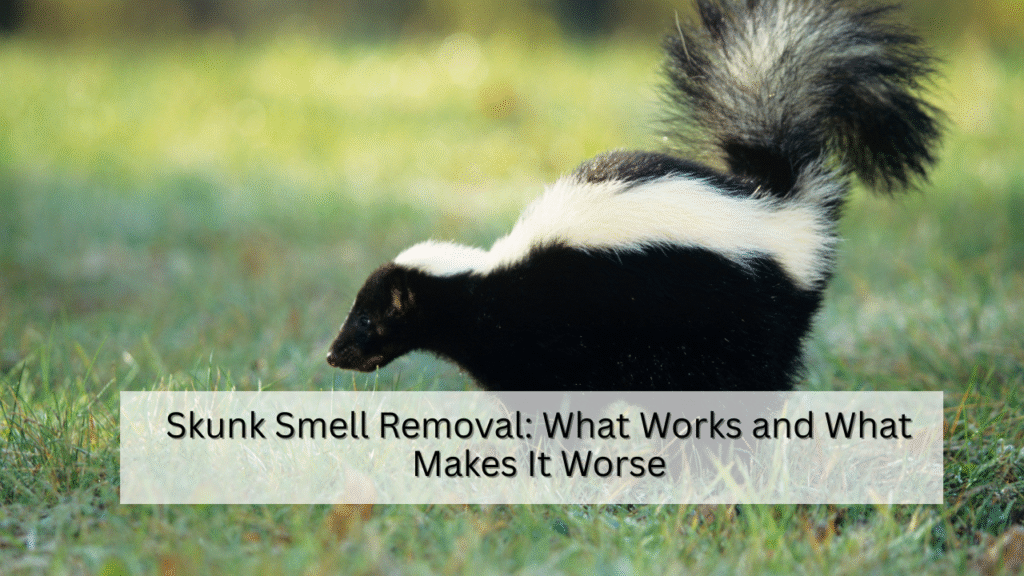
Skunk Smell Removal: What Works and What Makes It Worse

Skunk Smell Removal: What Works and What Makes It Worse If you’ve ever smelled a skunk up close, you know it’s unforgettable. That strong, sour, burnt-rubber kind of stench clings to everything — your clothes, your pets, even your house. And here’s the kicker: trying to cover it up usually makes it worse. Every year across Ontario, homeowners call pest control companies in a panic after a skunk sprays under their porch or near their vents. It’s one of the most common wildlife calls — and one of the trickiest to fix without the right approach. So, let’s break it down: what actually works, what doesn’t, and how to get rid of that smell for good — safely and humanely. Why Skunks Spray Before you rush to clean, it helps to know why skunks spray in the first place. They don’t do it for fun. It’s their defence mechanism — kind of like pepper spray, but worse. A skunk releases a sulphur-based oil from its glands when it feels threatened. It can shoot that oily mist up to 10 feet, and it sticks to whatever it hits — fur, clothes, concrete, or siding. The smell isn’t just bad; it’s chemical. That’s why soap and water alone don’t touch it. The odour comes from compounds called thiols, which cling to oils and take time (and chemistry) to neutralize. What You Shouldn’t Do Let’s start with the mistakes most people make. When you panic, it’s easy to grab the wrong cleaner or do something that spreads the smell further. 1. Don’t Use Bleach or Ammonia Mixing chemicals with skunk spray can create dangerous fumes. Besides, they don’t neutralize thiols — they just make the air toxic. 2. Don’t Spray Air Fresheners They only mask the smell temporarily. Once the air clears, the stink returns. It’s like spraying perfume in a smoky room — it doesn’t fix the problem. 3. Don’t Wash Pets With Regular Shampoo Pet shampoos aren’t designed for skunk oil. You’ll just spread the smell deeper into their fur. You need a mix that breaks down the oil, not covers it. 4. Don’t Ignore the Source If a skunk sprayed under your deck or shed, the smell will keep coming back until the animal (or the scent source) is removed. The first step is always to find where it happened. How to Get Rid of Skunk Smell — The Right Way Now for the part that actually works. These are proven methods used by wildlife control professionals and veterinarians alike. 1. The Homemade Skunk Odour Neutralizer (for Pets and Clothes) You’ve probably heard of tomato juice baths. They don’t work. They only hide the smell for a short time. Here’s what does work — a simple chemical reaction that breaks down skunk oil at the molecular level. You’ll need: 1 quart (1 litre) of 3% hydrogen peroxide 1/4 cup of baking soda 1 teaspoon of liquid dish soap How to use it: Mix ingredients fresh each time — never store this mixture in a closed bottle (it can explode). Apply it generously to the affected fur or fabric. Let it sit for about 5 minutes. Rinse thoroughly with warm water. Repeat once if needed. This works because peroxide oxidizes the thiols — basically breaking the smelly molecules apart so they can’t cling anymore. 2. For Indoor Odour (When Skunk Spray Gets Into the House) If the smell has drifted indoors — through open windows, vents, or under the floor — it’s going to take a bit of patience. Here’s what to do: Air it out: Open all windows and use fans to move air outdoors. Use vinegar bowls: Place small bowls of white vinegar in affected rooms for 24–48 hours. Vinegar absorbs odours naturally. Change HVAC filters: Skunk odour particles get trapped inside heating and cooling systems. Wipe hard surfaces: Mix 1 part vinegar with four parts water and wipe walls, floors, and furniture. If the smell lingers for more than a few days, you likely have skunk oil on or under your house. In that case, you’ll need a professional cleaning. 3. For Cars If a skunk sprays near your driveway or your car tires, the smell can get trapped inside the vents or fabric. Try this: Wipe exterior surfaces with diluted vinegar. Sprinkle activated charcoal or baking soda on carpets overnight, then vacuum. Replace cabin filters (yes, even your car has one). Avoid using air fresheners — they mix with the smell and make it worse. 4. For Outdoor Areas (Decks, Porches, Sheds) If the skunk sprayed under your porch or deck, it’s not just about cleaning. The smell seeps into wood and soil. To neutralize it: Mix 1 cup of vinegar and 1 cup of hydrogen peroxide with 1 gallon of water. Use a garden sprayer to mist the area. Repeat after a day or two. If you still smell it after a week, it’s possible the skunk is still living under there — or sprayed more than once. That’s when you call a wildlife expert. How to Prevent Skunks from Coming Back Once you’ve cleaned up the smell, your next goal is to make sure it doesn’t happen again. 1. Seal Openings Check under decks, sheds, and crawl spaces. Close gaps larger than 3 inches using wire mesh or metal flashing. 2. Secure Garbage Bins Skunks love leftovers. Lock your garbage lids and don’t leave pet food outside overnight. 3. Keep Lights On Motion-activated lights scare off nocturnal animals like skunks. 4. Remove Shelter Options Wood piles, old furniture, and open compost bins make perfect hiding spots. 5. Use Repellents Some natural repellents (like citrus peels, vinegar spray, or castor oil granules) help keep skunks away. They’re not foolproof, but they make your yard less inviting. When to Call a Professional If the smell is strong, if you’ve spotted a skunk under your porch, or if your pet keeps getting sprayed — it’s time to bring in help. Wildlife control technicians handle skunks humanely using live traps and exclusion doors. That means the animal is removed safely, and entry points are sealed after it’s gone. Professionals also have access to commercial-grade deodorizing equipment and enzyme cleaners that fully neutralize odours — not just mask them. At BugManagers, our team deals with skunk removal across Ontario — from Toronto to Mississauga to Hamilton. We make sure the skunk is gone, your space is safe, and the smell doesn’t return. A Few Common Questions Q: How long does skunk smell last? If untreated, the smell can last up to three weeks — longer if it’s absorbed into wood, fabric, or carpet. Q: What if my dog got sprayed in the eyes? Rinse their eyes gently with cool water or a saline solution. Please avoid using any soap near their eyes and call your vet right away. Q: Can I trap a skunk myself? You shouldn’t. Skunks are protected under Ontario’s wildlife regulations, and trapping without proper equipment can cause injury or more spraying. Q: How much does professional skunk removal cost? It depends on where the skunk is located and how much cleanup is needed. Most homeowners in Ontario pay between $250 and $600, depending on the complexity. Why Skunk Smell Feels Impossible to Remove People often describe skunk odour as “sticking to the air.” That’s because the sulphur oils bond to everything — from skin to insulation. If you’re smelling it for days, it doesn’t mean you didn’t clean enough; it means some residue is still trapped in a hidden surface. Here’s what professionals do differently: Use ozone machines or thermal foggers to break down odour molecules in the air. Apply enzyme-based cleaners that dissolve organic residue. Identify hidden areas where oil may have splashed — like under decks or foundation gaps. Sometimes, solving the smell means finding and treating the exact spot of the spray, not just the air around it. The Humane Side of Skunk Control Skunks aren’t aggressive. They’re shy, gentle animals that spray only when scared. They help control garden pests like grubs and insects, too. That’s why professional wildlife control always focuses on humane removal — guiding the animal out safely, sealing its entry, and preventing future encounters. It’s not about punishment. It’s about balance — keeping both your home and the local ecosystem safe. Final Thoughts You can’t stop skunks from existing, but you can stop them from making your home their hangout. If you smell that unmistakable odour near your house, don’t panic. Skip the tomato juice. Skip the bleach. Use the right neutralizer, air out your home, and check for signs of entry. And if the smell just won’t quit, call in a professional like BugManagers. We’ll handle the source, clean the area, and make sure your space smells fresh again — safely and humanely. Because your home should smell like home, not like a skunk.
If you’ve ever smelled a skunk up close, you know it’s unforgettable. That strong, sour, burnt-rubber kind of stench clings to everything, your clothes, your pets, even your house. And here’s the kicker: trying to cover it up usually makes it worse. Every year across Ontario, homeowners call pest control companies in a panic after […]

The Ultimate Guide to Bird Proofing: Keep Pigeons and Gulls Away from Your Property

The Ultimate Guide to Bird Proofing: Keep Pigeons and Gulls Away from Your Property

If you’ve ever stepped outside to find your balcony or storefront covered in bird droppings, you know how frustrating it can be. It’s not just messy. It’s unhealthy, smelly, and can quietly damage your property over time. Across Ontario, pigeons, gulls, and starlings are common troublemakers. They gather in big numbers, leave droppings that corrode […]

Winter Wildlife Invasions: How Raccoons and Squirrels Sneak Into Canadian Homes

Winter Wildlife Invasions How Raccoons and Squirrels Sneak Into Canadian Homes

Every winter, homeowners across Ontario start hearing strange noises in their attic: scratching, thumping, maybe even squeaks at night. You might think it’s the wind or the pipes, but here’s the thing: it’s often a raccoon or a squirrel making your attic their winter hideout. They’re not trying to cause trouble. They just want warmth, […]

6 Common Pest Threats in Healthcare Facilities

pests-healthcare-facilities

Pest problems are not something only homeowners deal with. Businesses and other places like offices and stores can also have serious pest issues. One of the most common places where pests can become a big problem is in healthcare centers. This includes big hospitals, small clinics, doctors’ chambers, and even rehab centers. When pests enter […]

Mosquito Control in Toronto! Ways to Keep Them at Bay

mosquito-control-toronto

Mosquito control in Toronto, Canada! It is essential if you are willing to maintain a safe, comfortable, and healthy living environment. You need to be more concerned and take the appropriate action to get rid of mosquitoes during the warmer months when mosquitoes’ activities peak. You must know that mosquitoes are more than just tiny […]

Wildlife & Rodent Removal in Toronto: What to Do if You Find Unwanted Pests in Your Home
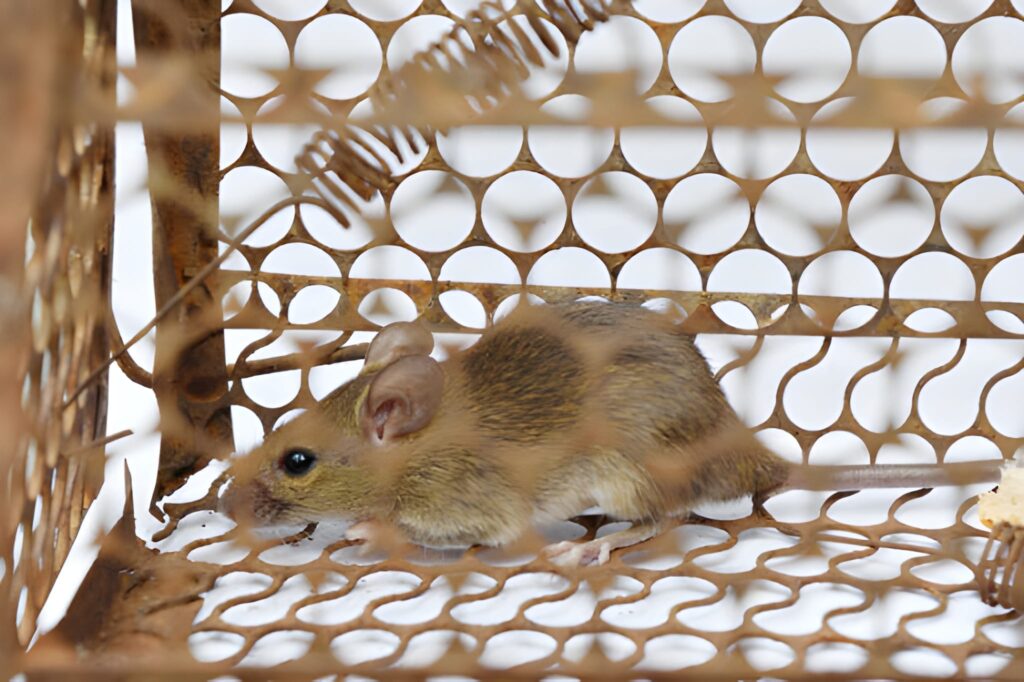
Introduction Hearing scratching, scurrying, or thumping noises in your attic, walls, or basement? You’re not alone. In Toronto, Brampton, Mississauga, and the GTA, raccoons, squirrels, skunks, bats, and rodents like rats and mice frequently invade homes. These creatures seek warm shelter, food, and nesting areas, causing extensive damage and potential health risks. At Bug Managers, […]

Top Wildlife Removal Services in Toronto & GTA: A Complete Homeowner’s Guide

Wildlife intrusions are a common problem for homeowners and businesses in Toronto and the Greater Toronto Area (GTA). From raccoons and squirrels to rodents and birds, these unwanted guests can cause property damage, health risks, and major inconvenience. If you’re dealing with a wildlife issue, Bug Managers is here to help with humane, effective, and […]

How to Spot, Prevent, and Eliminate Carpenter Ants in Your Home

carpenter-ant-infestations

Have you ever heard rustling noises in the middle of the night in your home coming from the walls or wooden structures? If yes, do not dismiss them as the usual creaks of a house settling. These noises may not be as innocent as they seem. These can be pests, particularly carpenter ants. This means […]