
Every winter, homeowners across Ontario start hearing strange noises in their attic: scratching, thumping, maybe even squeaks at night. You might think it’s the wind or the pipes, but here’s the thing: it’s often a raccoon or a squirrel making your attic their winter hideout.
They’re not trying to cause trouble. They just want warmth, food, and shelter. The problem is, once they move in, they rarely leave quietly.
This blog will discuss how these clever animals get inside, what signs to look for, and how you can stop them before they do real damage.
Why Wildlife Moves Indoors in Winter
When the temperature drops, food gets scarce. Squirrels and raccoons start looking for dry, warm places to nest. Attics, garages, and crawl spaces become perfect shelters.
Your home offers everything they need, insulation for nesting, wood for chewing, and even stored food nearby. Once inside, they settle fast. And here’s what most homeowners don’t realize: one small hole can lead to a big problem.
How Raccoons and Squirrels Get In
Wildlife doesn’t need an open door. They’re resourceful. Raccoons can climb almost any surface, and squirrels can squeeze through gaps as small as a tennis ball.
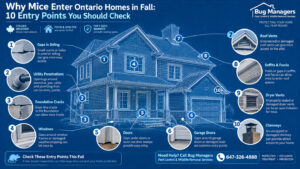
Here are the most common entry points:
- Loose roof shingles or soffits
- Gaps around vents or chimneys
- Cracked siding or open eaves
- Damaged attic vents
- Uncapped chimneys
If you notice chewed wood, insulation on the ground, or nests made of leaves or paper, chances are you already have guests upstairs.

Signs of a Wildlife Infestation
You don’t need to see an animal to know it’s there. Pay attention to what your home is telling you.
1. Strange Noises
Scratching, running, or thumping sounds, especially at night, often mean a raccoon or squirrel is active above the ceiling.
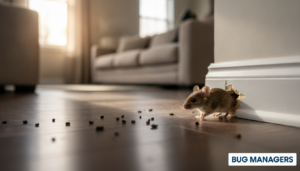
2. Droppings or Urine Odor
Both raccoons and squirrels leave waste behind. It smells, spreads bacteria, and can damage drywall or insulation.
3. Damaged Insulation or Wiring
Raccoons tear insulation to build nests. Squirrels chew wires, sometimes causing power outages or even fire risks.
4. Entry Holes
Look for holes in soffits, vents, or roof edges. If you see dark stains around the edges, it’s likely from repeated climbing in and out.
Why You Shouldn’t Handle It Alone
It might be tempting to set a trap or block a hole, but that often makes things worse.
Here’s why:
- Raccoons are strong and defensive. They can rip open shingles or vents if trapped.
- Squirrels remember their nesting spots. Even if you chase them out, they’ll return.
- Babies might be inside. Removing a mother can leave babies behind, causing more damage and odor later.
Wildlife control in Ontario is regulated for a reason. Professionals know how to remove animals safely and legally without harming them or your property.
What a Professional Wildlife Removal Looks Like
At BugManagers, wildlife control is a step-by-step process, humane, efficient, and safe. Here’s how it typically works:
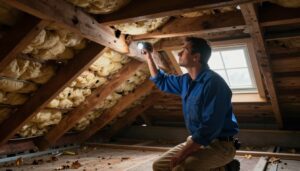
1. Inspection
A trained technician checks your attic, roofline, and foundation to find where animals got in and what species you’re dealing with.
2. Safe Removal
Using one-way doors or live traps, the animals are guided out without harm. Once they leave, they can’t re-enter.
3. Damage Repair
All entry points are sealed: vents capped, soffits reinforced, insulation replaced if needed.
4. Cleanup & Sanitization
Droppings, nesting materials, and contaminated insulation are cleaned and disinfected to eliminate bacteria and odors.
5. Prevention
You’ll get tips on trimming branches, covering vents, and maintaining your roof to stop another invasion.
This approach doesn’t just solve the current problem, it keeps your home protected year-round.

How to Prevent Wildlife from Returning
You can’t stop winter, but you can make your home less inviting to wildlife. Here’s how:
1. Seal Entry Points
Check your roof, attic vents, and foundation for small gaps. Even a 2-inch hole is enough for a squirrel.
2. Secure Garbage Bins
Raccoons are smart. Tight lids and bungee cords can keep them out of your trash.
3. Trim Tree Branches
Cut back branches that touch your roof. They act like ladders for squirrels and raccoons.
4. Store Pet Food Indoors
Leftover pet food or bird seed attracts unwanted attention, especially at night.
5. Schedule Regular Inspections
A quick check every fall can save you from costly roof or attic repairs later.
Common Myths About Wildlife in the Attic
Myth 1: “They’ll leave when it warms up.”
Not true. Once they find a safe place, they often stay and raise their young.
Myth 2: “I can just close the hole.”
Sealing it while animals are inside traps them, leading to odor, noise, and structural damage.
Myth 3: “It’s only one squirrel.”
Wildlife rarely travels alone. A single entry point often means there’s a nest inside.
Health Risks You Might Not Expect
Wildlife infestations aren’t just noisy. They can carry health risks like:
- Leptospirosis (from urine)
- Salmonella (from droppings)
- Ticks and fleas
- Mold from moisture buildup
If you’ve noticed droppings or a strong odor, don’t clean it without gloves and a mask. Call a wildlife control expert for safe handling.
Why Ontario Homes Are Especially Vulnerable
Older homes in Ontario often have aging rooflines, wooden soffits, or gaps from weather wear. Add long winters and nearby trees, and it’s a perfect setup for wildlife.
Cities like Toronto, Mississauga, Brampton, and Hamilton report higher raccoon and squirrel cases each winter because of dense housing and easy food access.
When to Call a Professional
If you hear consistent noise, see droppings, or spot entry holes, it’s time to call for help. Waiting too long only makes the damage worse.
A professional inspection can confirm what you’re dealing with and fix it before it spreads.
Bug Managers provides humane raccoon, squirrel, and wildlife removal across Ontario, using tested methods that protect both your home and the animals.
Final Thoughts
Raccoons and squirrels are just trying to survive the winter, but your home isn’t meant to be their shelter. The key is early detection and prevention.
Seal entry points, keep your surroundings clean, and schedule a quick inspection before temperatures drop.
If you already hear something scratching above your ceiling, don’t panic; just reach out to a trusted wildlife control team.
Bug Managers is here to help you get your peace of mind back safely- quickly, and humanely.