You’ve just had professional pest removal done.
The scratching, buzzing, or sudden sightings are gone. You can finally breathe again.
Now comes the real question: how do you keep your home protected so pests don’t come back?
That’s what this guide is for. Let’s break it down in simple, clear steps you can actually use, starting today.
Why Aftercare Matters So Much
Here’s the thing. A good pest control treatment does a lot of heavy lifting. The team from Bug Managers has targeted the problem, used the right products, and likely blocked the main entry points.
But pests are stubborn.
Some may still be hiding in walls, attics, or under flooring. Eggs might not all be gone yet. New pests can also sneak in from outside if the conditions are still right.
Your job now is not to “redo the treatment.” Your job is to make your home less welcoming to any pest that even thinks about showing up again.
Think of it as a partnership: the exterminator handles the attack. You handle the defence.
Step 1: Follow Your Technician’s Instructions First
Before anything else, follow the written or verbal directions your Bug Managers technician gave you.
This may include:
- How long to stay out of treated rooms
- When it’s safe to re-enter with kids and pets
- What you can clean right away
- What you should avoid wiping, mopping, or vacuuming for a while
- Whether a follow-up visit is booked or needed
These instructions are based on the products and methods used during your treatment. Different pests and treatments have different rules, so don’t assume it’s always the same.
If you’re unsure about something, call and ask. A quick call is better than accidentally wiping away the treatment from key areas.
Step 2: Clean Smart, Not Blind
Many people make one big mistake after pest control: they scrub everything like crazy the same day.
That feels clean, but it can actually reduce the power of the treatment.
Here’s a safer way to handle cleaning.
What you should clean
Once your technician says it’s safe to re-enter:
- Wipe kitchen counters, tables, and food prep areas
- Wash dishes, cutting boards, and any exposed utensils
- Change bed sheets if they were exposed
- Mop open floor areas where people and pets walk a lot
- Use regular household cleaners. You don’t need anything fancy.
- What you should leave alone (for now)
- Avoid cleaning these areas for the time your technician recommends:
- Baseboards where you see tiny spray marks
- Cracks and crevices around floors and walls
- Behind appliances where gels or dust might have been placed
- Corners of rooms that were treated for spiders, ants, or roaches
Those spots usually contain the products designed to keep killing pests over time. If you remove them too soon, you weaken your own protection.
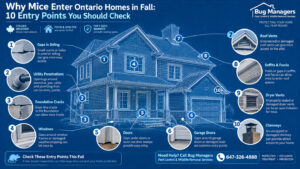
Step 3: Seal the Gaps Pests Use as Doors
Most pests don’t “magically appear.” They walk, fly, or squeeze in through tiny spaces.
After professional pest removal, you need to close those doors.
- Walk around your home and look for:
- Gaps under exterior doors
- Cracks around window frames
- Holes where cables, gas lines, or pipes enter the house
- Damaged caulking around baseboards and window sills
- Gaps around garage doors
- Simple fixes you can do:
- Install or replace door sweeps
- Use exterior caulk around windows and pipe entry points
- Add weatherstripping where you feel drafts
- Patch small holes with steel wool plus caulk (great for rodent entry points)
If you live in areas like Mississauga, Brampton, Toronto, or other parts of the GTA, many homes have older foundations or settling cracks that create perfect entry points for ants, spiders, and rodents. Keeping those sealed makes a big difference.
Step 4: Lock Down Food and Water Sources
Pests don’t move in because they like your decor. They come for food, water, and shelter.
After professional pest removal, you want to send a clear message:
In the kitchen
- Store all dry food (rice, cereal, snacks, pet food) in sealed containers
- Wipe up crumbs on counters and floors each night
- Don’t leave dirty dishes sitting in the sink overnight
- Keep fruit in the fridge if you’ve had issues with fruit flies or ants
- For trash and recycling
- Use bins with tight-fitting lids
- Take kitchen garbage out daily if you’ve had rodents, cockroaches, or flies
- Rinse food containers before putting them in recycling
For water
Fix leaky faucets, pipes, or under-sink drips
Empty pet water bowls at night if you are dealing with roaches
Make sure there’s no standing water under fridges or dishwashers
Cut the food and water, and most pests lose interest in staying.
Step 5: Declutter So Pests Have Fewer Hiding Spots
Clutter is one of the easiest things to ignore and one of the best gifts you can give to pests.
They love:
Stacks of cardboard boxes
Piles of old newspapers or flyers
Overstuffed closets and storage rooms
Random bags and piles on the floor
Here’s what to do:
Switch from cardboard boxes to plastic bins with lids
Recycle or toss papers you don’t need
Lift items off the floor in closets and basements
Keep storage a few inches away from walls so you can see behind
In garages and basements, this is especially important. Rodents, spiders, and other pests hide in those quiet, dark corners that you never check.
Step 6: Keep Your Yard from Inviting Pests Back In
Your yard is part of your pest protection plan. If the outside is pest heaven, the inside will keep getting visitors.
Walk around your property and check:
- Are bushes or tree branches touching the house or roof?
- Is there wood piled up right against the wall or foundation?
- Are there open gaps around sheds, decks, or under stairs?
- Do you see standing water in buckets, toys, or clogged gutters?
Smart steps to take:
- Trim branches so they don’t touch the roof or upper walls
- Move wood piles, old lumber, or junk away from the house
- Keep grass cut and weeds managed near the foundation
- Empty and store outdoor toys when not in use
- Clean gutters so water flows properly
This helps reduce ants, spiders, rodents, wasps, mosquitoes, and even wildlife activity around your home.
Step 7: Know the Early Warning Signs and Act Fast
Even after professional pest removal, you should expect a little bit of activity at first. Some pests may take time to die off.
What this really means is: don’t panic at the first sight, but don’t ignore it either.
Simple monitors you can use
- Sticky traps or glue boards in basements, garages, or behind appliances
- Bed bug mattress encasements if you had a bed bug issue
- Visual checks of common trouble spots once a week
Keep a small note or use your phone to track:
- What you saw
- Where you saw it
- How many times it happened
If activity stays the same or reduces, that’s usually fine. If it suddenly increases again, it’s time to call Bug Managers for advice or a follow-up visit.
Take photos when you can. Clear pictures help technicians quickly identify the pest and pick the right solution.
Step 8: Extra Tips by Pest Type
Not all pests behave the same way. Here are focused tips for some of the most common ones.
- After bed bug treatment
- Keep mattress and box spring encasements on as instructed
- Avoid bringing in used furniture or mattresses from unknown sources
- Vacuum floors and baseboards often, then empty the vacuum outside
- Reduce clutter around beds so bugs have fewer hiding places
- Do regular checks along seams, headboards, and nearby furniture
If Bug Managers has set a follow-up visit for bed bugs, keep that appointment. These pests are sneaky, and follow-up is often part of a full solution.
bugmanagers.com
- After rodent or wildlife removal
- Keep pet food indoors and pick up any leftover food at night
- Make sure outdoor garbage and green bins are fully closed
- Repair holes or chew marks around the roofline, soffits, or vents
- Close the garage door when not in use
- Trim branches and remove climbing routes to the roof
Rodents and animals remember easy food sources. If your home used to be an easy stop, they might test it again.
After wasp or hornet treatment
- Stay away from treated nest areas for the time your technician suggests
- Don’t seal up the entry hole right away unless told to do so
- Keep an eye on roof edges, sheds, and play structures for new nest building
If you see new nest construction in the same spot, reach out quickly instead of trying risky DIY approaches on a ladder.
Step 9: Build a Simple Monthly Pest-Safe Routine
You don’t need a huge checklist or complicated plan. A simple monthly routine can keep your home pest-safe long after the original treatment.
Once a month, try to:
- Do a quick walk-around inside and outside the house
- Check under sinks for leaks or moisture
- Look for new gaps around doors, windows, and pipes
- Inspect the pantry for crumbs, spills, or chewed packaging
- Peek into basements, garages, and storage rooms for droppings or webs
This takes 15–20 minutes but can save you from a full-blown infestation later.
Why Working with Bug Managers Long-Term Helps
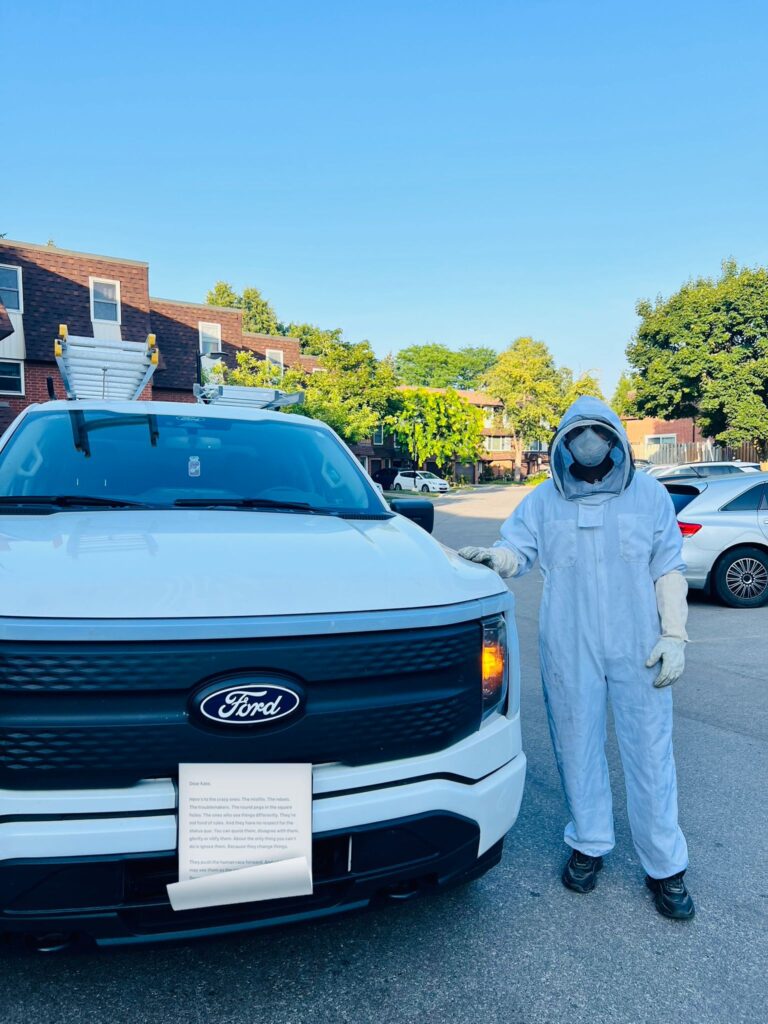
Professional pest removal is not just about “spraying and leaving.” With Bug Managers, you get licensed exterminators who know pests common in Mississauga, Brampton, Toronto, Oakville, Burlington, Milton, and across the GTA.
That local experience matters because:
- They know which pests are most active in each season
- They understand how local building styles affect pest entry points
- They can suggest the right prevention steps for your type of home
- When you treat your home once and then add smart prevention, you’re not just fixing a problem. You’re raising your home’s defence system.
If you’re still seeing activity, if you’re unsure about something you found, or if you just want a professional set of eyes on your home again, reach out for a follow-up inspection or ongoing pest control plan.
Final Thoughts: You Don’t Have to Handle This Alone
You’ve already taken the hardest step by calling in professional pest control. That shows you care about your home, your health, and your family’s comfort.
Now you know what to do after the treatment:
- Follow your technician’s instructions
- Clean smart, not randomly
- Seal gaps and reduce food and water sources
- Clear clutter and tidy your yard
- Watch for early signs and act fast
If you’re in the GTA and want to keep your home protected after pest removal, Bug Managers is ready to help you with advice, follow-ups, and long-term prevention plans.
Your home doesn’t have to feel like a battlefield. With the right aftercare and a trusted team on your side, it can stay pest-free, calm, and comfortable for the long term.