An emergency pest problem hits fast.
You’re trying to cook dinner and suddenly see a cockroach crawl out from under the stove.
You wake up to scratching in the ceiling at 3 a.m.
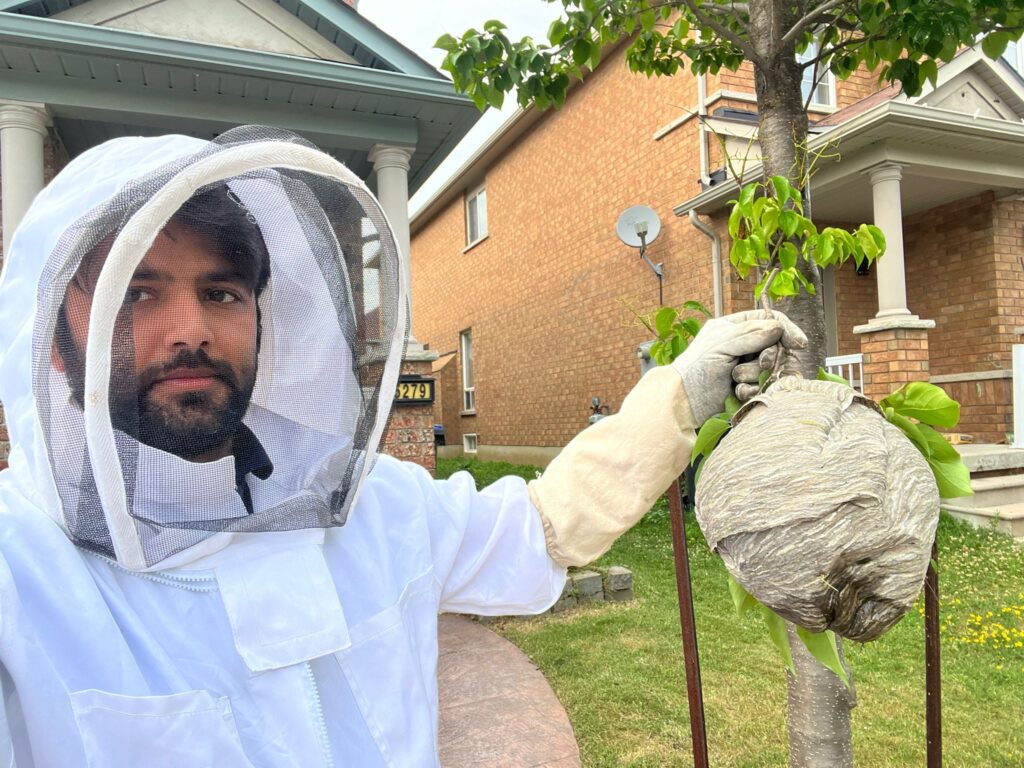
You find a wasp nest near your front door and kids are coming home in an hour.
In moments like this, you don’t want “we can come next week.”
You want help today.
This blog will walk you through:
- What actually counts as a pest emergency
- When you should call for same-day service
- What to expect when a company like Bug Managers shows up
- How to stay safe until the technician arrives
Let’s break it down.
What Really Counts as a Pest Emergency
Not every pest problem is an emergency. Annoying, yes. Urgent, not always.
Here’s the thing. A true emergency usually includes at least one of these:
- Safety risk
Stings, bites, or aggressive pests that could harm you, your kids, or your pets. - Health risk
Pests around food, sleeping areas, or people with allergies, asthma, or weak immune systems. - Serious property risk
Pests that can damage wiring, structure, or important items if not handled right away.
Common “this is an emergency” situations
You should seriously consider same-day service if:
- You find wasps or hornets building or guarding a nest near doors, windows, or kids’ play areas.
- You see rodents (mice or rats) running through main living areas, especially during the day.
- You’re seeing cockroaches in kitchens and bathrooms in large numbers or during daytime.
- You suspect bed bugs in a child’s bedroom, senior’s room, or you’re getting many new bites quickly.
- You notice chewing sounds, burning smells, or flickering lights and you know you have rodents. (They chew wires. That’s a real fire risk.)
- You find pest activity in a business that handles food, childcare, or health services and you need to stay open.
If you’re unsure, ask yourself one question:
“Can this safely wait a few days?”
If your honest answer is no, treat it like an emergency.
When It’s Urgent… and When It’s Just “Annoying”
It also helps to know what’s not usually an emergency.
These pests are still important to treat, but they rarely need same-day work:
- A few ants in one area with no big trails
- One or two spiders in a basement or garage
- Silverfish in a bathroom or storage room
- Occasional flies that came in through an open door
These can usually be booked for a regular visit. You still want them gone, but they’re not likely to harm you today.
What Happens When You Call for Same-Day Service
Let’s say you decide it really is an emergency. You call a company like Bug Managers and ask for same-day help.
Here’s what usually happens.
1. Quick questions to understand the risk
The person on the phone will ask things like:
- What pests are you seeing
- Where are you seeing them
- How many have you noticed
- Are there kids, pets, or seniors in the home
- Is anyone getting stung or bitten right now
This is not small talk. These answers help them decide:
- How urgent this really is
- What type of technician to send
- What tools and products they will need
- Roughly how long the job will take
Be honest and as clear as you can. If you don’t know the exact pest, describe it: size, color, where you saw it.
2. Scheduling the visit
If it’s a true emergency and they have space in the schedule, they’ll aim to get someone out the same day.
They should tell you:
- About what time to expect the technician
- Whether you need to prepare anything before they arrive
- If you need to keep kids or pets away from certain areas for now
If they can’t come same day, a good company will still offer:
- The earliest possible time
- Tips to stay safe until then
- Clear advice on what not to do yourself
How to Stay Safe Until the Technician Arrives
You don’t want to just sit and panic. There are safe steps you can take while you wait.
For wasps or hornets
- Keep kids and pets inside and away from the nest area.
- Avoid slamming doors or banging near the nest. Vibrations can set them off.
- Do not spray random store-bought products at a large active nest. If you miss, they get angry, not gone.
For rodents (mice or rats)
- Do not chase or corner them. They can bite when scared.
- Close doors to keep them out of bedrooms and kids’ play areas if possible.
- Avoid leaving food out on counters or tables. Put it in sealed containers.
If you smell something burning or hear chewing near wires, consider turning off power to that area and tell the technician as soon as they arrive.
For cockroaches
- Keep food covered and put away.
- Avoid spraying everything with store products. That can sometimes scatter them and make treatment harder.
- Try not to panic clean every corner; you might wipe away signs the technician needs to see.
For bed bugs
- Try not to move items from a suspected infested room to other rooms.
- Avoid having guests over until you know what’s going on.
- Do not throw out all your furniture in a rush. Talk to the technician first. Many items can be treated and saved.
What to Expect During an Emergency Visit
When same-day pest control arrives, here’s what usually happens.
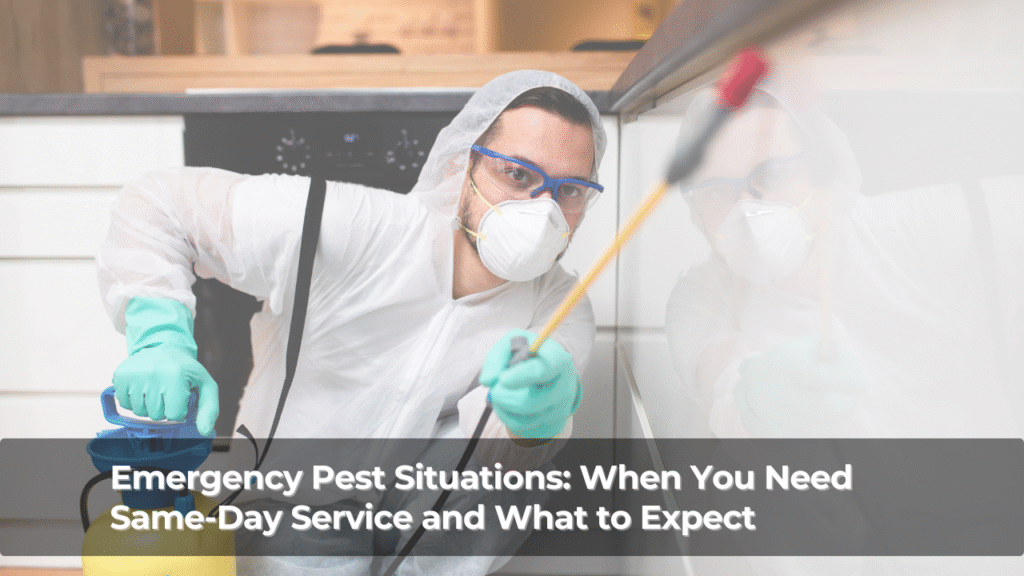
1. A focused inspection
Even in an emergency, a good technician doesn’t just spray and run.
They will:
- Ask you to show them where you saw activity
- Check nearby rooms or areas for more signs
- Look for nests, droppings, egg cases, entry points, and damage
- Decide if this is a one-time issue or part of a bigger problem
They’ll explain what they’re seeing in simple, clear terms.
2. A direct, priority treatment
Emergency visits focus on:
- Stopping the immediate risk
- Protecting people and pets
- Stabilizing the situation today
That can include:
- Removing or treating a visible wasp or hornet nest
- Placing traps and sealed bait stations for rodents
- Targeted treatments in kitchens, bathrooms, or bedrooms for roaches or bed bugs
- Blocking or sealing holes that are clearly active entry points
You’ll usually see them use specific tools and products, not just one generic spray.
3. Safety instructions you must follow
After treatment, they should give you clear directions, such as:
- How long to stay out of certain rooms
- When it’s safe for kids and pets to return
- What you can clean right away and what to leave alone
- How to check for ongoing activity in the next few days
This part is important. The best treatment in the world works better when you follow the aftercare steps.
4. A plan for what happens next
Emergency service is often the first step, not the final one.
The technician might recommend:
- A follow-up visit to check traps or repeat treatment
- Regular inspections if you’re in a high-risk building or area
- Simple changes to cleaning, storage, or yard care to stop new pests moving in
You should never be left thinking, “Okay… now what?”
You should know exactly what the next steps are.
Same-Day Service Does Not Mean “Spray Everywhere”
Here’s a common myth:
Same-day pest control means the technician arrives, sprays every wall and corner, and leaves in 10 minutes.
In reality, a careful company does the opposite.
They will:
- Target where pests live, travel, and nest
- Choose methods that work fast and are safe for your family
- Avoid unnecessary product use in areas where people and pets spend time
What this really means is: speed should never replace safety and planning.
You want fast help, not rushed work.

What You Should Ask During an Emergency Visit
Even when you’re stressed, you’re allowed to ask questions. In fact, you should.
Here are a few good ones:
- What exactly did you find
- What did you treat today and where
- Is there any risk to my kids or pets
- What should I avoid touching or cleaning
- What signs should I watch for after you leave
- Will I need another visit, and if so, when
A solid technician will answer calmly and clearly. If they’re vague or impatient, that’s not a great sign.
How Bug Managers Handles Emergency Pest Calls
When you’re dealing with a sudden pest problem, you don’t just need a company. You need a calm, experienced team that knows what to do.
A team like Bug Managers will:
- Listen first and ask detailed questions on the phone
- Be honest about same-day availability and timing
- Prioritize safety for kids, pets, and sensitive people
- Inspect quickly but carefully when they arrive
- Treat the immediate problem while planning for long-term control
- Explain everything in simple, direct language you can actually follow
You’re not just getting a “rush job.” You’re getting focused, professional help designed for real homes, real families, and real emergencies.
The Bottom Line: Don’t Wait on a True Emergency
Some pest problems can wait a few days. Others can’t.
You should not ignore:
- Aggressive wasps or hornets near entry doors
- Rodents running through main living areas
- Heavy cockroach activity in kitchens or bathrooms
- Fast-spreading bed bug problems, especially in kids’ or seniors’ rooms
- Any pest that is clearly affecting your health, safety, or sleep
If you’re facing that kind of situation, same-day service is not “being dramatic.” It’s being smart.
Call a trusted pest control company, describe what’s happening, and let a professional step in.
You deserve a home where you feel safe, calm, and in control.
When pests turn that upside down, same-day pest service can help you get that peace back a lot faster than trying to handle it alone.