When you discover pests at night, what to do first
Spotting a trail of ants on the kitchen counter or finding a suspicious bite is stressful. You type “pest control” into your phone and are suddenly buried in options. Read this page once and you’ll leave with a short, practical checklist to confidently shortlist and hire a local insect-control professional.
If you’re in Ontario, a good example to watch for is a provider that offers licensed technicians, a free inspection, an IPM-first approach, and a satisfaction guarantee—traits Bug Managers uses across the GTA and Ontario.
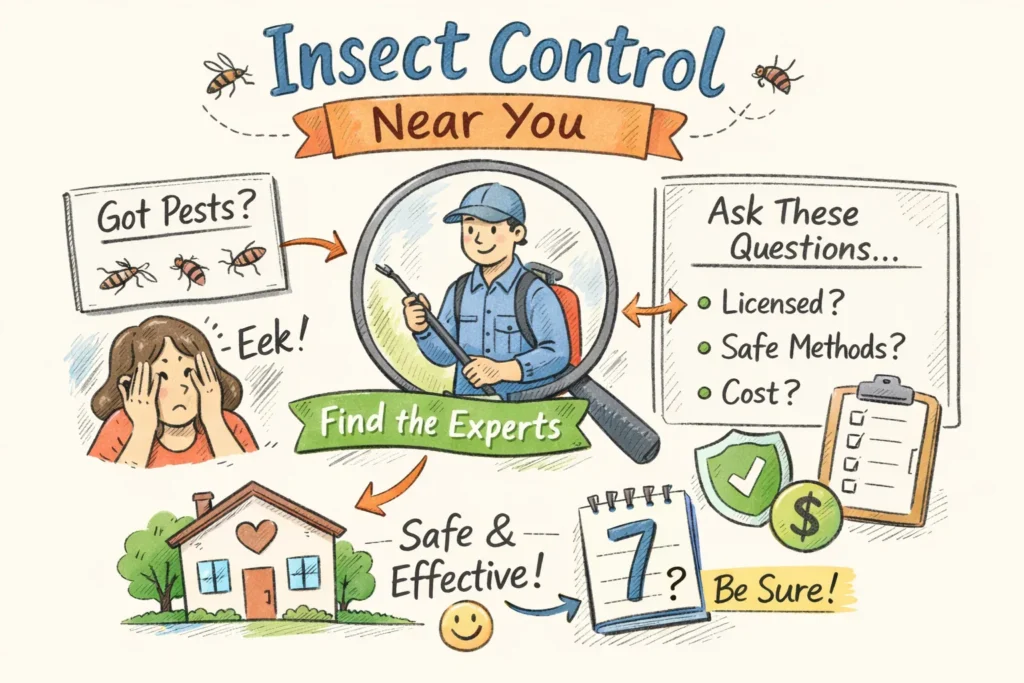
The seven must‑ask questions before you hire local insect control
Asking the right questions up front protects your family, avoids surprise costs, and makes sure the treatment will actually solve the problem. Use these exact questions on the phone and note the answers.
- Are you licensed and insured? Why it matters: licences show legal compliance and training; insurance and WSIB/WCB coverage protects you if something goes wrong. In Ontario, companies must hold an operator licence and technicians must be licensed.Phone line: “Can you provide your operator licence number and proof of commercial liability insurance? Are your technicians licensed exterminators?”
- Will you do a full inspection and provide a written plan? Why it matters: accurate species ID and a documented scope prevent ineffective or unnecessary treatments. Insist on photos, written scope, and a timeline.Phone line: “Do you include a full on‑site inspection and email a written scope of work with photos and species ID?”
- What treatment methods and products will you use, and why? Why it matters: different pests need different tools (baits, heat, bait systems, soil treatments). Ask for active ingredient names and child/pet safety guidance.Phone line: “Which active ingredients will you use? Are they safe around children and pets? Can you explain the expected timeline?”
- What is the total cost and what’s included (inspection, follow‑ups, warranty)? Why it matters: quotes that omit follow‑ups or inspection fees look cheaper on the surface. Get an itemized quote that lists visits, materials, and any excluded work (e.g., structural repairs).Phone line: “Can you email an itemized quote including inspection, labour, materials, follow‑ups, and warranty terms?”
- Do you offer guarantees or follow‑up visits, and what are the terms? Why it matters: guarantees vary widely (30 days to a year). Clarify what “free retreatment” covers and any homeowner obligations to keep the warranty valid.Phone line: “What is your guarantee period, and does it include free re‑treatments? What homeowner steps are required to maintain the guarantee?”
- Have you handled this pest in homes like mine? Why it matters: experience with your pest and your property type (detached home, townhouse, multi‑unit) predicts success. Ask for a recent local example or reference.Phone line: “Have you treated this pest in homes in my neighbourhood? Can you share a recent example or a reference?”
- How quickly can you respond for emergencies, and do you offer weekend/same‑day service? Why it matters: some problems need fast action (stinging pests, active bed bug spread). Know lead times before you commit.Phone line: “What’s your earliest availability? Do you offer same‑day or weekend emergency visits?”
Write the answers next to each provider you call so you can compare later.
How to compare quotes and spot real value (not just the cheapest price)
Don’t compare headline totals alone. Confirm these line items: inspection included, species named, number of visits, chemical transparency (active ingredients or heat), prep work, follow‑up terms, and guarantee length.
| Pest | Typical Canadian range (CAD) | Notes |
|---|---|---|
| Ants | $150–$400 (avg ~$250) | Carpenter ants cost more; colony elimination often needs baits and exclusion. |
| Spiders | $150–$450 (avg ~$300) | Often bundled with perimeter treatments. |
| Bed bugs | $300–$1,500+ (avg ~$500–$800) | Heat treatments cost more but often resolve in one visit; chemicals may need multiple visits. |
| Mosquitoes | $75–$900 (avg ~$300–$500) | One‑time treatments vs seasonal plans; inspection factors include breeding sites. |
Quick scoring tip: give each written quote 1–5 points in four categories — inspection & diagnosis, treatment transparency, guarantee & follow‑up, and price. Average the scores; the highest average is your best-value pick. Very low quotes often cut corners (no follow‑ups, no exclusion work, or missing insurance).
For additional Canadian pricing context you can reference an industry price guide for typical pest-control costs, which helps validate a quote against local ranges: HomeStars pest control price guide.
Licences, certifications and safety checks to demand before work begins
Before work starts, verify: operator licence and applicator/exterminator certificates (Ontario specifics), commercial liability insurance, WSIB/WCB clearance, and the pesticide/product registration or active ingredient names.
Practical checks: ask for licence numbers and certificate names and request a photo or scan; ask for MSDS (SDS) or active ingredient names; confirm technicians are trained in Integrated Pest Management (IPM) and humane methods when wildlife is involved. For eco‑friendly confidence, request QualityPro/GreenPro credentials or written IPM statements.
In Ontario, ask specifically for the Ministry‑issued operator licence number and confirm that applicators are licensed exterminators — see the official pesticide licences and permits page for details on required operator and applicator licences. Some national providers also publish information on recognized eco‑certifications such as Orkin Canada GreenPro certification so you can compare credential claims.
Treatment options — what works and when to call a pro
Good pest control follows IPM: inspect, identify, exclude, treat selectively, and monitor. Professionals apply IPM to minimize chemicals and maximize long‑term results.
Ants: Species ID guides treatment. Baits eliminate colonies; sprays give fast knockdown. Carpenter ants may need injection and exclusion work. For species‑specific services see Ant Control, Bug Managers.
Bed bugs: Heat is reliably effective in one session when done correctly. Chemical treatments work but usually need multiple visits. Fumigation is rare and disruptive but effective for whole‑structure infestations.
Termites: Subterranean termites respond to soil treatments and bait systems; drywood termites may need localized treatment or fumigation. Structural repairs often follow treatment.
Mosquitoes: Seasonal barrier sprays, larval source reduction, and recurring programs reduce populations through summer.
Spiders: Perimeter treatments and reducing harborage and clutter are usually enough; professionals bundle this with other perimeter services.
DIY vs professional: DIY products can handle small, early problems. Call a professional for structural pests, recurring infestations, bed bugs, or when you see damage. Pros use targeted, regulated products and trained application to reduce overall risk to people and pets.
Red flags, guarantee language and what a sound contract should include
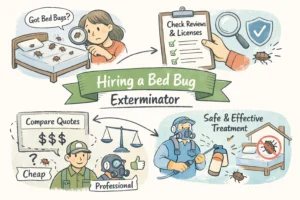
Watch for these red flags: no licence presented, cash‑only requests, high‑pressure sales, blanket fogging without inspection, vague guarantees, or no written scope.
- Written scope of work with species named and photos
- Treatment methods and active ingredients listed
- Itemized price and what’s included (inspection, follow‑ups)
- Number of visits and what retreatments are free
- Exact guarantee wording and duration
- Insurance proof and licence numbers
- Start/end timeline and cancellation terms
Sample guarantee wording to request: “If pest activity persists within the guarantee period of X months, we will re‑treat at no charge until the problem is resolved. If unresolved after three re‑treatments, we will discuss a refund or alternative remedy in writing.” Replace X with the provider’s stated term (commonly 3–12 months).
Keep emails, estimates, and don’t sign until you understand exclusions—especially for structural repairs or access behind walls.
Final shortlist, inspection expectations, and a simple phone script
Shortlist method: get three written quotes, score each on inspection, plan transparency, guarantee, and price, verify licences and reviews, and call references.
Copy/paste phone script:
Hello — I have a [pest] at [address]. Do you offer a free inspection? Are your technicians licensed in Ontario? Which methods would you recommend, and can you email a written quote with active ingredients, follow‑up visits, and guarantee terms?What to expect at the inspection: a technician will identify species, take photos, assess entry points and harborage, recommend exclusion work, and give a written scope and price. You may get immediate spot treatment or a scheduled service date. Prepare by securing pets, laundering bedding for bed bugs, and clearing access to affected areas.
Local example: reputable local teams across Ontario (including Bug Managers in the GTA) typically provide free inspections, certified technicians, IPM‑first plans, clear written quotes, and satisfaction guarantees—exactly the things to prioritize when hiring. If you’re in nearby communities, see local pages such as Pest Control Caledon, Bug Managers, Pest Control Burlington, Bug Managers, or Pest Control Oakville, Bug Managers for service area details and booking.
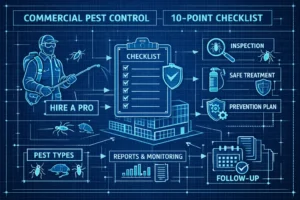
Quick checklist: ask the seven questions, compare three written quotes with the scoring method, verify licences, and insist on a written contract before work begins. For urgent infestations, act fast but choose a licensed, insured team you trust.
Conclusion
Hiring local insect control doesn’t have to be stressful. Ask the seven questions, compare itemized quotes, verify licences, and insist on a clear contract. Keep records and don’t hesitate to ask for proof.
Need a hand? If you’re in Ontario and want a free inspection from a licensed, IPM‑first team with a satisfaction guarantee, About, Bug Managers can point you to vetted local technicians to get started.
Optional resource: A printable one‑page checklist (the 7 questions, three red flags, and five contract must‑haves) is a useful take‑away to bring to calls and inspections.