Pests don’t take vacations. They just change their tactics with the seasons.
If you think your pest problems disappear when winter hits, think again. Ontario homeowners face different pest threats throughout the year. Each season brings its own challenges, from carpenter ants tunneling through your deck in spring to mice seeking warmth in your walls during winter.
Understanding what pests show up when helps you stay one step ahead. The team at Bug Managers has seen every seasonal pest problem Ontario throws at homeowners. This guide walks you through what to expect and prepare for each season so you can protect your home year round.
Spring: When Everything Wakes Up Hungry
Spring starts around March in Ontario. The snow melts. Temperatures rise. Everything comes alive, including pests that spent winter hiding or hibernating.
Carpenter Ants Return to Work
Carpenter ants are usually the first major pest you’ll notice in spring. These big black ants spent winter dormant in their colonies. Now they’re awake and hungry.
You’ll spot them crawling on walls or near windows, especially after sunset. They’re not just looking for food. They’re also scouting for new places to nest.
Here’s the thing about carpenter ants: they tunnel through wood to build their homes. They don’t eat the wood like termites do. They just chew through it and spit out the sawdust. But the damage adds up fast.
Look for small piles of sawdust near baseboards or wooden structures. Listen for rustling sounds inside walls at night. If you see winged ants flying around inside your house in April or May, that means a colony is nesting somewhere close by.
Carpenter ants love damp or rotting wood. Check anywhere water might have damaged wood: around leaky pipes, under dishwashers, near bathroom tiles, and in areas with poor ventilation.
Other Spring Ants Join the Party
Regular pavement ants also wake up in spring. You’ll see them forming trails to any food source they can find. They’re smaller than carpenter ants and usually dark brown or black.
These ants nest under driveways, sidewalks, and foundations. They’re more annoying than destructive, but they multiply fast if you ignore them.
Spring Prevention Steps
Seal cracks around your foundation, windows, and doors. Remove any dead wood, old stumps, or rotting logs from your yard. Fix moisture problems right away. Store firewood away from your house and off the ground. Clean up food spills immediately and keep counters crumb-free.
Summer: Peak Pest Season Arrives
Summer in Ontario means warm weather, outdoor barbecues, and unfortunately, the busiest time for pests. June through August brings the highest pest activity of the year.
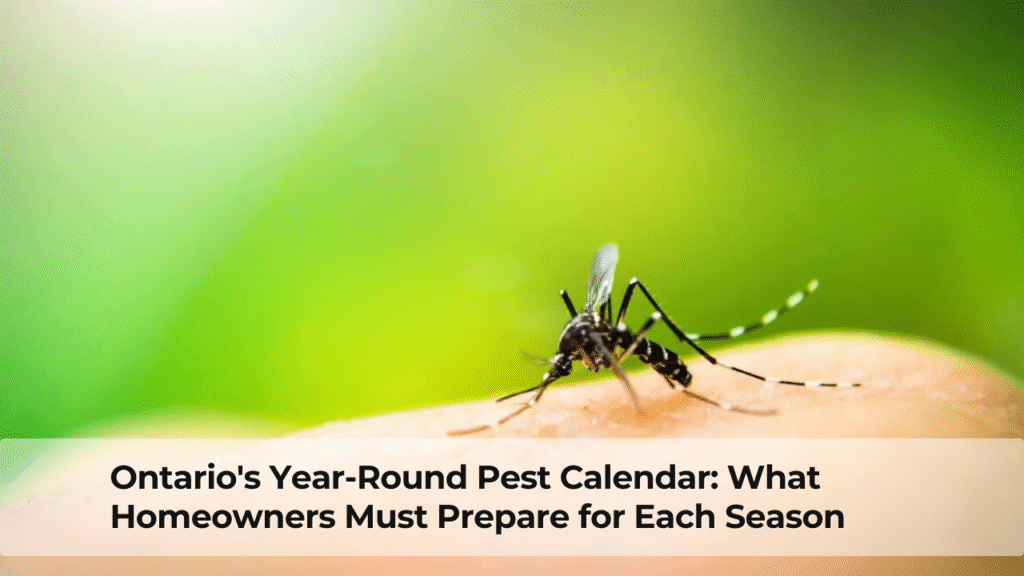
Mosquitoes Take Over
Mosquitoes breed in any standing water they can find. A bottle cap full of water is enough for them to lay eggs.
In Ontario, mosquito season runs from late May through early September. They peak in July and August. These bugs don’t just cause itchy bites. They can carry West Nile virus.
Empty any containers holding water around your yard. Change birdbath water every few days. Clean gutters so water doesn’t pool. Fix any areas where water collects after rain.
Wasps and Hornets Build Nests
Early summer is when wasps and hornets start building nests. By July and August, these nests can house hundreds of aggressive insects.
You’ll find nests under roof eaves, in attics, inside wall voids, or hanging from tree branches. Wasps get more aggressive as summer goes on, especially if you’re near their nest.
Never try to remove a large wasp nest yourself. One wrong move and dozens of wasps will attack. Their stings hurt and can cause serious allergic reactions in some people.
Flies Multiply Everywhere
House flies, fruit flies, and other flying insects thrive in summer heat. Flies breed in garbage, compost, and any organic matter that’s decomposing.
Keep garbage cans sealed tight. Take out trash regularly. Don’t let fruit sit out too long. Clean up pet waste in your yard right away.
Ants Stay Active
The ants that showed up in spring are still around. Summer is when they’re most active, searching for food to feed growing colonies.
Ticks Become a Danger
Ticks are active from April through October in Ontario, but they’re worst in summer. They wait in tall grass and brush for animals or people to walk by.
Some ticks carry Lyme disease, which causes serious health problems if not treated. Check yourself and your pets for ticks after spending time outdoors. Wear long pants and light-colored clothing when hiking.
Summer Prevention Steps
Bug Managers recommends creating a pest barrier around your home’s perimeter. Keep grass cut short. Trim bushes away from your house. Use screens on windows and doors. Install door sweeps. Store food in sealed containers.
Fall: Pests Start Moving Indoors
September brings cooler temperatures. October and November get cold enough that outdoor food sources disappear and pests start looking for warm places to spend winter.
This is when your pest problems shift from outdoor annoyances to indoor invasions.
Mice and Rats Seek Shelter
November is the worst month for rodent invasions in Ontario. The first frost triggers mice and rats to find indoor shelter.
Mice can squeeze through holes the size of a dime. Rats need slightly more space, about the size of a quarter. They’ll use any crack or gap to get inside.
Once inside, rodents nest in walls, attics, basements, and anywhere dark and quiet. They chew through wires, creating fire hazards. They contaminate food with their droppings. They carry diseases.
You’ll hear scratching or scurrying sounds in walls at night. You might find small black droppings near food or in corners. You’ll notice gnaw marks on food packages or wires.
Spiders Move Inside
Spiders follow their food source. As other bugs move indoors for winter, spiders follow them.
Most Ontario spiders are harmless. They actually help by eating other pests. But nobody wants to walk into a spider web in their basement.
Stink Bugs and Boxelder Bugs Invade
These bugs cluster on sunny sides of houses in fall. They’re looking for cracks to slip through so they can hibernate inside your walls.
Stink bugs release a nasty smell when threatened or crushed. Boxelder bugs don’t smell but they gather in huge numbers.
Both bugs are mostly just annoying. They don’t bite or cause damage. But finding hundreds of them inside your house is gross.
Asian Lady Beetles Show Up
These look like ladybugs but they’re actually invasive Asian lady beetles. They swarm houses in fall looking for hibernation spots.
They get into attics, wall voids, and around window frames. In spring, they wake up and try to get outside, often ending up flying around inside your house instead.
Cluster Flies Appear
Cluster flies are larger and slower than house flies. They hibernate indoors during winter, often in attics.
On warm winter days, they wake up and buzz around windows trying to get outside.
Fall Prevention Steps
Fall is your last chance to pest-proof before winter. Seal every crack and gap you can find on your home’s exterior. Use weatherstripping on doors and windows. Install or repair window screens. Cover vents with fine mesh. Inspect your attic and basement for entry points. Clean gutters so water doesn’t overflow and damage wood.
Winter: Indoor Pests Settle In
Ontario winters are cold. Most outdoor pests either die, hibernate, or go dormant. But pests already inside your house stay active all winter.
Your heated home provides everything pests need: warmth, food, water, and shelter.
Rodents Stay Active
Mice and rats don’t hibernate. They stay active all winter long, living comfortably in your walls or basement.
Winter is actually when rodent populations grow fastest inside homes. They breed year round when they have access to warmth and food. One female mouse can have up to 60 babies in a year.
Cockroaches Thrive Indoors
German cockroaches live inside buildings year round. They breed quickly in warm environments like kitchens and bathrooms.
You’ll see them at night when you flip on lights. They scatter fast, hiding in cracks and crevices.
Spiders Remain
Any spiders that got inside during fall will stay active all winter. They hide in basements, closets, and storage areas.
Winter Prevention Steps
Keep your house clean. Store all food in sealed containers. Don’t leave dirty dishes sitting overnight. Fix leaky pipes and faucets. Reduce clutter in basements and storage areas where pests can hide. Check mousetraps and replace bait if needed.
Winter is also the best time to schedule a pest inspection with Bug Managers. Pest control professionals can spot signs of hidden infestations and treat them before they get worse in spring.
Year Round Prevention That Actually Works
Some prevention strategies work regardless of season.
Seal Entry Points
Walk around your home’s exterior. Look for any crack, gap, or hole. Seal them with caulk, steel wool, or concrete patches. Pay special attention to where utilities enter your house, around pipes and wires, gaps under doors, cracks in foundation, and areas where different building materials meet.
Eliminate Food Sources
Pests need food to survive. Make it hard for them to find. Wipe down counters daily. Sweep and vacuum regularly. Store dry goods in airtight containers. Don’t leave pet food bowls out overnight. Take garbage out frequently.
Remove Water Sources
Fix any leaky faucets or pipes. Don’t let water pool anywhere. Use dehumidifiers in damp basements. Make sure your gutters drain properly away from your foundation.
Reduce Hiding Spots
Keep your basement and attic organized. Don’t pile up cardboard boxes where pests can nest. Store items in plastic bins with lids. Keep firewood at least 20 feet from your house.
Maintain Your Yard
Cut grass regularly. Trim bushes and tree branches away from your house. Remove dead leaves and organic debris. Get rid of standing water in bird baths, buckets, or low spots in your yard.
When to Call Professionals
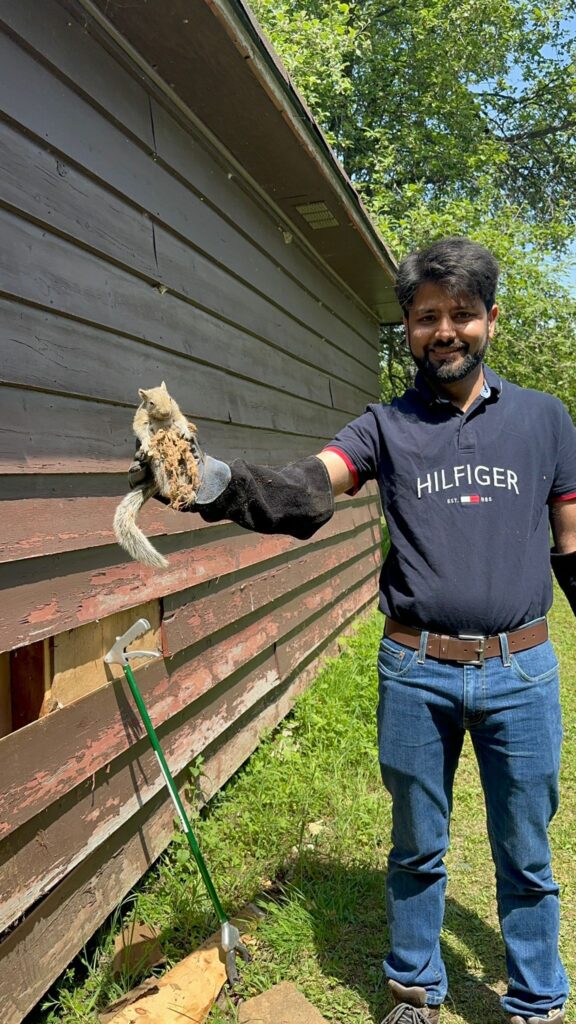
Some pest problems are too big or dangerous for DIY solutions.
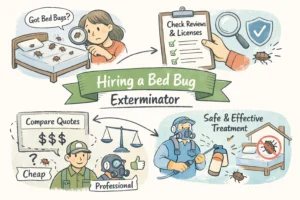
Call Bug Managers or another professional pest control service if you see signs of carpenter ants or termites causing structural damage, encounter wasp or hornet nests near high-traffic areas, hear rodents in your walls regularly, find bed bugs, spot multiple cockroaches, or notice pest problems getting worse despite your prevention efforts.
Professional pest control works because experts know where pests hide, which products work on which pests, how to apply treatments safely, and how to prevent future infestations.
Your Seasonal Action Plan
Here’s a quick reference for what to do each season:
March through May: Inspect for carpenter ant activity. Seal cracks before ants find them. Remove dead wood from your property. Fix moisture problems. Schedule a professional spring inspection.
June through August: Eliminate standing water for mosquitoes. Watch for wasp nests forming. Keep doors and windows screened. Maintain good sanitation. Create a pest barrier around your foundation.
September through November: Seal every crack before pests move in. Inspect attics and basements. Set mouse traps in likely entry areas. Trim vegetation away from house. Clean gutters thoroughly.
December through February: Monitor for indoor pest activity. Keep home clean and dry. Check traps regularly. Schedule winter pest inspection. Plan spring prevention strategy.
Stop Reacting and Start Preventing
Most homeowners wait until they see pests before taking action. That’s backwards.
The best pest control happens before pests become a problem. When you understand Ontario’s seasonal pest patterns, you can prepare ahead of time.
Think of it like maintaining your car. You change the oil before the engine breaks down. You replace tires before they go flat. Pest control works the same way.
Regular prevention costs less than fixing infestations. It protects your home’s structure. It keeps your family healthy. It gives you peace of mind.
Bug Managers helps Ontario homeowners stay ahead of seasonal pest problems with year round protection plans. These plans include quarterly inspections that catch problems early, treatments timed to each season’s specific threats, and ongoing monitoring to make sure pests don’t come back.
Your Home Deserves Protection Every Season
Pests don’t care about your schedule or your budget. They’re constantly looking for food, water, and shelter. Your home offers all three.
But now you know what to expect each season. You understand when different pests become threats. You have prevention strategies that work.
Use this seasonal calendar as your guide. Mark your calendar with reminders for seasonal tasks. Stay vigilant for warning signs. Take action quickly when you spot problems.
Your home is probably your biggest investment. Protecting it from seasonal pests isn’t optional. It’s essential maintenance that saves you money and stress in the long run.
Every season brings different challenges. But with the right preparation and help from professionals like Bug Managers when needed, you can keep your Ontario home pest-free all year long.