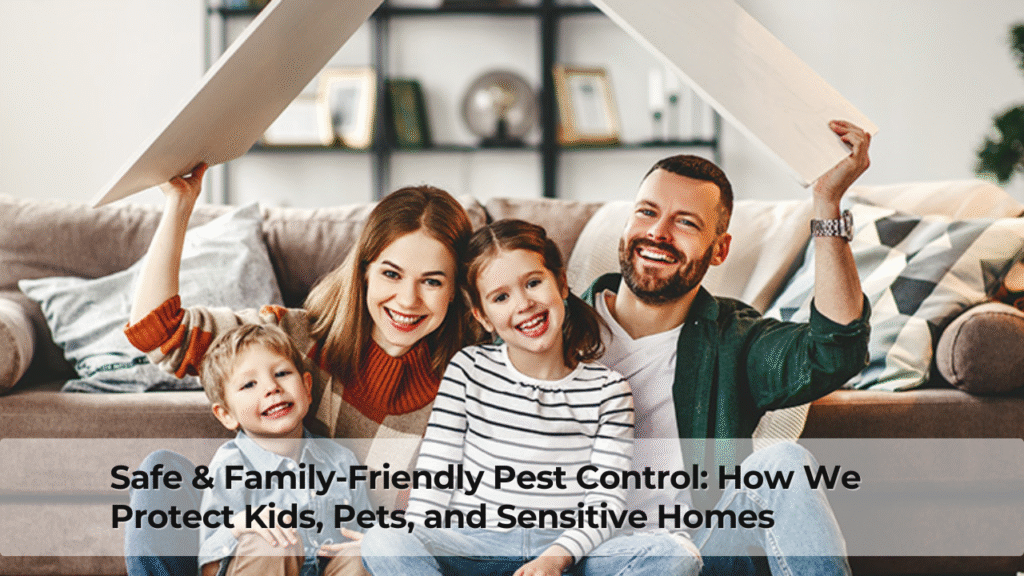
You want pests gone.
You also want your kids, pets, and loved ones safe.
You should not have to choose between a pest free home and a healthy home. That is the whole point of safe, family friendly pest control.
In this blog, we will walk through how a professional team like Bug Managers protects your family, your pets, and your space while still dealing with serious pest problems.
Let’s break it down.
What Safe Pest Control Really Means
A lot of companies say they are safe. That word gets used a lot.
Here is the thing. Safe pest control is not just about using a product that says low toxicity on the label. It is about how the whole service is planned and done.
Family friendly pest control means:
- Using the least amount of product needed
- Targeting exact pest hotspots instead of spraying everywhere
- Choosing methods that reduce risk for kids, pets, and sensitive people
- Giving you clear steps to follow before and after treatment
Your home is not a warehouse or a factory. It needs a different level of care.
Step 1: Understanding Your Family And Your Home
Before any treatment starts, a good technician asks questions. Not as a formality. As the first layer of safety.
You should expect questions like:
- Do you have babies, toddlers, or kids who crawl or play on the floor
- Do you have dogs, cats, birds, or small pets like hamsters or rabbits
- Is anyone pregnant, elderly, or dealing with asthma or allergies
- Does anyone in the home have chemical sensitivities
When you share this, you are not being fussy. You are giving vital information. It helps shape the plan for your home.
At Bug Managers, this type of information guides:
- Which products are chosen
- Where they are placed
- How long you may need to stay out of certain rooms
- Whether extra steps like extra ventilation are suggested
The more open you are, the safer and smoother the service will be.
Step 2: Inspection First, Treatment Second
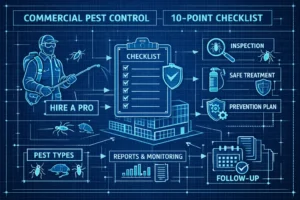
Safe pest control does not start with a spray. It starts with a proper inspection.
The technician looks for:
- Entry points where pests are getting in
- Nesting spots and hiding areas
- Signs of damage or droppings
- Conditions that help pests, like moisture or clutter
Why does this matter for safety
Because when you know exactly where pests are, you do not need to spray every inch of the house. You can target very specific areas. That means less product in your living space and more impact on the actual pests.
This targeted approach is one of the biggest reasons professional pest control is safer than random store bought sprays.
Step 3: Choosing Kid And Pet Conscious Products
Not all pest control products are the same. Some are made for open outdoor spaces. Some are made for cracks and crevices only. Some are baits that pests eat, while others are dusts or gels.
A family focused team thinks about:
- Where kids and pets walk, play, sit, and sleep
- Which surfaces they touch every day
- How likely it is that curious hands or paws will reach treated areas
You may see your technician use:
- Gels placed inside cracks and behind appliances
- Dusts in wall voids that are sealed and not open to the room
- Tamper resistant bait stations for rodents, locked and placed out of reach
- Exterior treatments on the outside of the home to stop pests before they get in
The goal is simple. Keep the active product where pests go, not where children and pets go.
Step 4: Clear Instructions To Keep Everyone Safe
A big part of safety is communication. You should always know:
- When it is safe to come back into treated areas
- Whether kids and pets need to stay out longer than adults
- What you can clean or mop and what you should leave alone for a while
- How long to keep pets away from bait stations or treated zones
This might sound basic, but it matters a lot.
For example:
- Floors may need time to dry before small children or pets walk on them
- Some baits work best if they are left undisturbed for a period
- Certain treatments are meant only for behind baseboards or inside walls and should not be wiped away
With Bug Managers, you do not get vague comments. You get clear, simple steps you can actually follow. If something is not clear, you should always feel comfortable asking on the spot or calling later.
Step 5: How We Protect Kids During Pest Control
If you have children, you already know they explore everything. They crawl, touch, and put their hands in their mouths. So kid safe pest control has to respect that reality.
Here is how a thoughtful approach keeps kids safe:
Focus on high risk zones
Technicians avoid placing products:
- On toys or play mats
- On low shelves kids can grab
- Near beds, cribs, or changing tables
If treatment is needed near a child’s room, extra care is taken with placement and timing.
Extra time for drying and ventilation
You may be asked to:
- Keep children out of certain rooms for a longer time
- Open windows to allow fresh air circulation
- Wash or wipe down specific surfaces they touch a lot
These steps may feel like extra work, but they give you peace of mind.
Education for parents
You should learn:
- What signs to watch for in case a child touches something they should not
- What areas are safe right away and which are off limits for a set time
- How to keep the home less attractive to pests so you need fewer treatments later
The goal is not to scare you. It is to help you feel confident and in control.
Step 6: How We Protect Pets During Pest Control
Pets are part of the family. They do not understand signs or warnings. They sniff, lick, and explore.
Safe pest control for pets includes:
Temporary relocation
During treatment, you may be asked to:
- Take dogs for a walk or keep them in one untreated room
- Place cats in a carrier or separate room
- Move birds or small animals to a different area, especially during spray work
This is not over cautious. It is how you prevent accidental exposure.
Tamper resistant bait stations
For rodent control, loose bait is never a good idea in a family home. Instead, the technician uses locked bait stations.
These are:
- Closed units pets cannot open
- Placed in low traffic areas, behind objects, or outside
- Checked and serviced on follow up visits
You should always be told where these stations are, so you can keep an eye on them and make sure pets are not playing near them.
Pet safe habits after treatment
You may be advised to:
- Keep pet food and water bowls off the floor during treatment and put them back after everything is dry
- Store pet food in sealed containers, not open bags
- Watch for any unusual behavior after the visit and call if you are unsure about anything
This kind of teamwork between you and the technician keeps your animals safe and your pest issue under control.
Step 7: Caring For Sensitive Homes
Not every home is the same. Some people are more sensitive than others.
This can include:
- People with asthma or allergies
- Seniors with health issues
- Pregnant people
- Those with chemical sensitivities or past reactions
In these homes, pest control is planned with extra care.
That might mean:
- Choosing products with low odor formulas
- Focusing heavily on physical methods like sealing, vacuuming, and trapping
- Spacing out treatments so the home has time to air out
- Scheduling visits when sensitive people can be out of the home for longer
You should always tell the team if anyone has had any reactions to products before. This helps them pick the safest approach for you.
Step 8: Beyond Chemicals
Everyday Habits That Keep Your Home Safer And Pest Free
Family friendly pest control is not only about what the technician does. It is also about small daily habits that reduce the need for heavy treatments.
Some simple steps:
- Wipe counters and sweep crumbs each night
- Store food, including pet food, in sealed containers
- Take out garbage often and keep lids closed
- Fix leaks under sinks to remove moisture pests love
- Seal small gaps around windows, doors, and pipes
When your home is less attractive to pests, treatments can stay light and targeted. That means less product, fewer visits, and a more comfortable home for everyone.
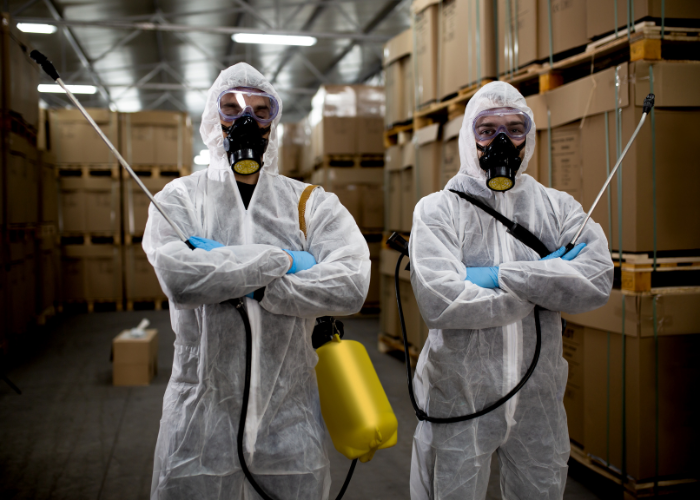
Why Families In The GTA Trust A Pro Like Bug Managers
When you invite a pest control company into your home, you are trusting them with your kids, pets, and personal space. That is a big deal.
Here is what you should expect from a team that truly cares:
- Respect for your concerns instead of brushing them off
- Honest answers about what will be used and where
- Clear prep and aftercare instructions in plain language
- A plan that fits your home, not a one size fits all spray job
Bug Managers focuses on safe, smart pest control for real families in real homes. Houses, townhomes, condos, rentals, and more. Whether you are dealing with ants, mice, cockroaches, bed bugs, or other pests, the goal is always the same. Fix the problem and protect the people and animals who live there.
The Bottom Line
You should never have to choose between a pest free home and a safe home. You can have both.
When you work with a family focused pest control company, you get:
- Careful inspections before any treatment
- Kid and pet conscious product choices
- Targeted applications, not random spraying
- Clear instructions you can follow without stress
- Advice to keep pests away with simple everyday habits
If you are worried about pests but also worried about safety, that is your sign to ask questions, demand clear answers, and pick a partner who treats your home like their own.
Ready to protect your home in a way that respects your family, your pets, and your peace of mind
Reach out to Bug Managers and get a plan built for you, not just for the pests.