Finding mice in your home can be scary. They carry diseases like hantavirus. GTA homeowners need to know the risks.
Mice infestations get worse every winter in the GTA. They only need a small gap to get in. A single female mouse can have up to 60 babies a year.
Mice bring health risks beyond property damage. They carry diseases like Hantavirus and Salmonella. Their droppings and urine can make your home unhealthy.
This guide helps GTA homeowners understand mouse-borne diseases. You’ll learn how to spot infestations early and take action. It covers safe cleanup, prevention, and why to use professional services.
Key Takeaways
- Mice in your home can transmit hantavirus through airborne droppings and contamination
- Winter months see increased mouse infestations throughout the GTA region
- Sweeping or vacuuming mouse droppings spreads hantavirus particles into the air
- Early detection of scratching sounds and droppings helps prevent serious infestations
- Professional pest control services provide safe removal and proper cleanup methods
- Sealing entry points and attic inspections are essential prevention strategies
- Health risks from rodent-borne illnesses require immediate attention and proper disinfection
Understanding Hantavirus and Its Connection to Mice
Hantavirus is a big worry for GTA homeowners. It’s a virus that comes from rodents. Knowing how it spreads helps keep your family safe. Mice and hantavirus are closely linked, so it’s key to understand the risks.
What Is Hantavirus Pulmonary Syndrome?
Hantavirus pulmonary syndrome is a serious lung disease. It happens when you breathe in virus particles from rodents. Symptoms start one to five weeks after exposure.
Early signs include:
- High fever and chills
- Muscle aches throughout the body
- Fatigue and weakness
- Dizziness and headaches
- Difficulty breathing that worsens quickly
Without treatment, it can be deadly. Fluid builds up in the lungs, making it hard to breathe. In Canada, it’s rare but serious, with a 38% death rate without help.
How Deer Mice Spread Hantavirus in Ontario
The Peromyscus maniculatus, or deer mouse, carries hantavirus in Ontario. They have white feet and bellies, and brown or grey backs. These mice live in GTA homes and yards.
You don’t need to be bitten to get sick. Just being near where mice have been can be risky. They are most active at night, leaving droppings and contamination everywhere they go.
Transmission Methods: Droppings, Urine, and Saliva
Hantavirus spreads through three ways:
- Inhalation: The biggest risk is breathing in virus from mouse droppings. When you disturb these, virus particles get in the air. This can make you sick.
- Direct Contact: Touching things with the virus and then touching your face can spread it.
- Rare Bites: Mouse bites are rare, so this is not a common way to get sick.
The most common and dangerous way is breathing in the virus. So, cleaning up mouse messes is very important in GTA homes.
Recognizing the Signs of Mouse Infestation in Your GTA Home
Spotting mouse problems early is key. The sooner you find signs, the less harm they cause. This keeps your home safe from mouse droppings health risks.
Acting fast on a mouse problem saves money and time. Many miss the first signs because they don’t know what to look for. Knowing these signs helps you protect your family.
Common Signs of Mouse Activity in Your Home
Mice leave clear signs of their presence. Look out for these:
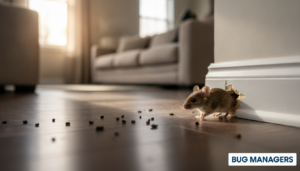
- Droppings – Small, dark pellets about 3–6mm long that look like black rice grains. Fresh droppings are shiny and dark, while older ones are grey and crumbly. These are a major source of mouse droppings disease risk.
- Scratching sounds – Scurrying noises in walls, ceilings, and attics, mainly at night when mice are most active
- Gnaw marks – Chewed corners on food packages, cardboard boxes, wooden baseboards, and electrical wires
- Greasy rub marks – Dark smudges along walls and baseboards where mice travel repeatedly
- Musky odour – A stale, distinctive smell that grows stronger as the population increases
- Nesting materials – Shredded paper, fabric, or insulation in hidden corners and storage areas
Finding even a few droppings means a bigger problem. Mice rarely travel alone and breed quickly. A single sighting often means many mice are hiding in your home.
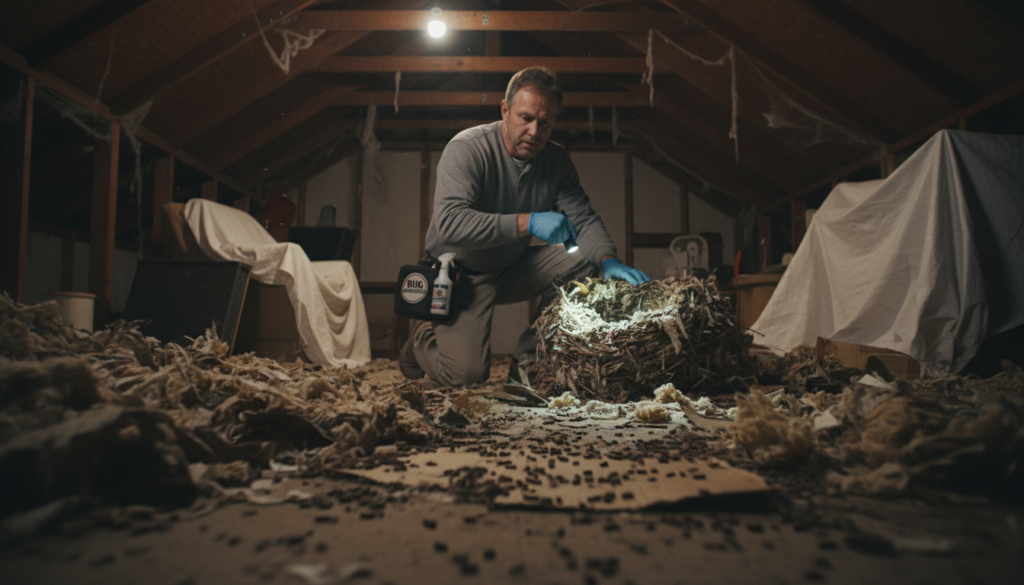
Where to Check for Mouse Problems
Mice hide in specific areas of your home. Look in these high-risk zones:
| Location | Why Mice Choose It | What to Look For |
|---|---|---|
| Attics | Warm nesting spaces in insulation; can mice in attic cause hantavirus is a serious concern | Droppings, nesting material, scratching sounds overhead |
| Basements | Easy entry through foundation cracks and gaps | Droppings along baseboards, gnaw marks on stored items |
| Kitchens | Access to food sources | Droppings in cabinets and drawers, chewed packaging |
| Under appliances | Warm environments near refrigerators and stoves | Greasy marks, droppings, nesting debris |
| Around plumbing | Entry points through utility penetrations | Droppings, gnaw marks on pipes and insulation |
Check kitchen cabinets, drawers, behind refrigerators, and under sinks. These spots attract mice because of the food. Basements and attics are also important because they offer shelter and warmth.
Understanding the Health Connection
Mouse droppings are not just a cleanliness issue. They pose serious health risks. Knowing these risks is crucial. Contaminated areas increase the risk of hantavirus exposure in your home.
If you live in Brampton, Mississauga, Toronto, or Vaughan, don’t ignore these signs. The moment you see droppings, scratching sounds, or gnaw marks, call a professional. Your family’s health depends on quick, effective rodent removal.
Health Risks: Can Mice in Your Home Cause Hantavirus? GTA Homeowners Guide
Mice in your home are a big health risk. They carry diseases that can make you sick. Knowing about hantavirus from mice helps keep GTA families safe.
One mouse can make 40 to 50 droppings a day. This spreads diseases fast. This section talks about the dangers and how to protect your family.
Early Symptoms of Hantavirus Exposure
Hantavirus symptoms in Canada start 1 to 5 weeks after exposure. They might seem like a cold at first. Look out for:
- Fever above 38°C (101°F)
- Severe muscle aches, like in thighs and back
- Fatigue and weakness
- Headaches and dizziness
- Chills
- Nausea, vomiting, and stomach pain
These symptoms get worse fast. After 4 to 10 days, they can lead to serious lung problems. If you think you have hantavirus, see a doctor right away.
Rodent-Borne Illness Prevention for Canadian Families
Stopping rodent-borne illnesses needs action at home and help from experts. Cleaning mouse droppings is dangerous without the right gear. Never sweep or vacuum them because it spreads the virus.
Here’s how to prevent it:
- Ventilate areas before cleaning
- Wear gloves, masks, and eye protection when handling droppings
- Use bleach or approved disinfectants on affected surfaces
- Store all food in sealed, rodent-proof containers
- Seal cracks and holes in walls, foundations, and around pipes
- Contact licensed pest control professionals for safe removal
Prevention is cheaper than treating illnesses or fixing damage. Experts can clean up safely, keeping your family healthy.
Zoonotic Diseases from Rodents Beyond Hantavirus
There are many diseases from rodents, not just hantavirus. Mice can spread diseases that are a threat to GTA homes:
| Disease | Transmission Method | Health Effects |
|---|---|---|
| Salmonella | Contaminated surfaces and food | Severe food poisoning, diarrhea, fever |
| Leptospirosis | Mouse urine in water | Kidney damage, respiratory illness |
| Lymphocytic Choriomeningitis (LCMV) | Droppings and urine | Meningitis, fever, neurological problems |
| Lyme Disease (via ticks) | Ticks carried by mice | Joint pain, fatigue, rash |
Mouse allergens can trigger or make asthma and allergies worse. This is true for kids and people with breathing problems. Mice also bring fleas and mites, adding to the disease risks.
Mice can also damage electrical wiring, leading to fires. This makes stopping rodents and getting professional help crucial for your GTA family’s safety. Waiting can put everyone at risk.
How Common Is Hantavirus in Ontario and the GTA?
Knowing your risk is key to staying safe from hantavirus. Though rare, cases have been found in Ontario. This is a worry for people in the GTA. The Public Health Agency of Canada reports less than 100 cases since they started watching.
Is hantavirus common in Ontario? No, but there’s still a risk. Ontario’s risk is low to moderate, depending on where you are. Deer mice live in many GTA areas, including Brampton, Mississauga, and Toronto’s greenbelt.
Seasonal patterns matter a lot for GTA homeowners. Mouse problems get worse in fall and winter. This is when they look for warm places inside.
Think of hantavirus prevention like smoke detectors. House fires are rare, but you still get detectors. It’s the same with rodent control in the GTA. You shouldn’t worry too much, but ignoring the risk is not smart.
- Fewer than 100 cases reported across Canada since surveillance began
- Mortality rate approximately 38% for confirmed cases
- Deer mice populations present throughout GTA suburban and rural areas
- Winter months bring highest infestation and exposure risk
- Professional rodent control remains the safest approach
Mice carry diseases and damage homes. Getting help from rodent control services in the GTA keeps your family and home safe. Even if hantavirus risk is low, it’s wise to prevent it for GTA homeowners with mouse issues.
Identifying Mouse Droppings and Contamination Risks
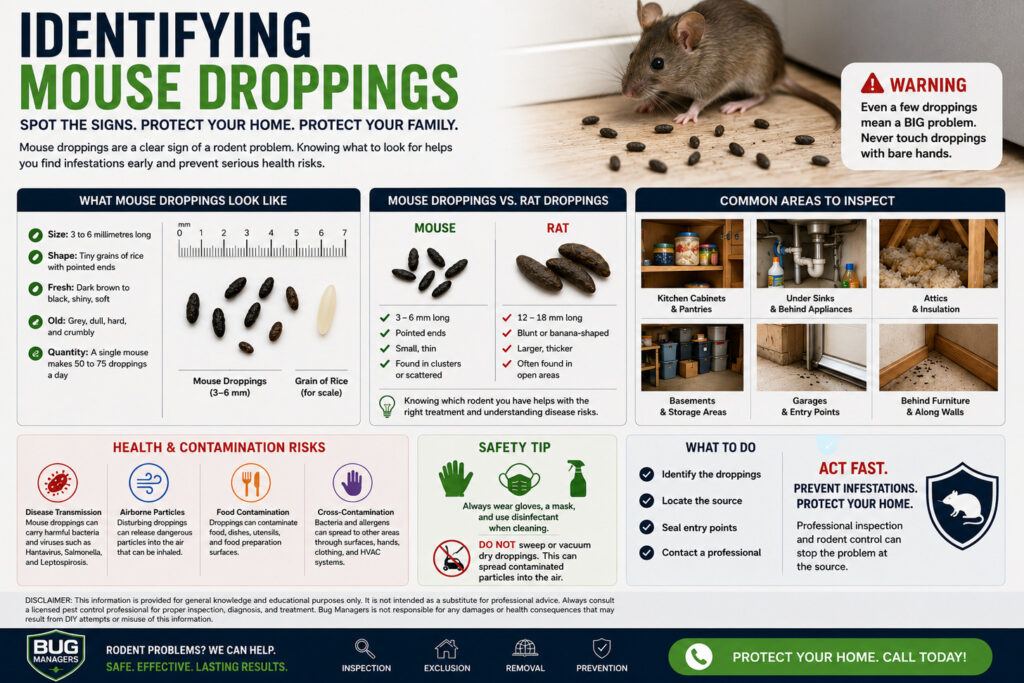
Seeing mouse droppings in your home means you have a rodent problem. Knowing what to look for helps you find infestations early. It’s important to know where mice hide to protect your family from health risks.
This section will teach you how to spot droppings and which areas need attention.
What Mouse Droppings Look Like
Mouse droppings are small, about 3 to 6 millimetres long. They look like tiny grains of rice with pointed ends. Fresh droppings are dark brown to black and shiny.
Old droppings turn grey and become hard and crumbly.
A single mouse makes 50 to 75 droppings a day. Even a few droppings mean a big problem. Never touch them with bare hands or disturb them without safety gear.
Mouse droppings are different from rat droppings. Rat droppings are bigger and banana-shaped. Knowing which rodent you have helps with treatment and understanding disease risks.
High-Risk Areas in Your Home: Attics, Basements, and Kitchens
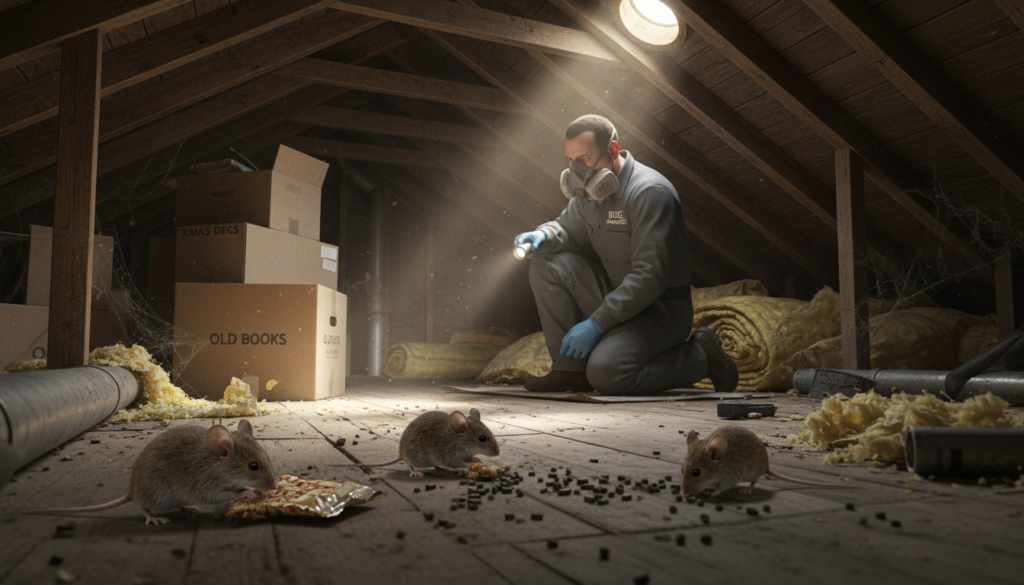
Attics are perfect for mice to nest. They are warm, quiet, and have soft insulation. Droppings build up in these areas, posing health risks. Knowing if mice in attics can cause hantavirus in Canada is important for GTA homeowners.
Basements and crawl spaces are common entry points. Mice get in through foundation cracks and gaps around pipes. Droppings are found near entry points and along walls.
Kitchens attract mice because of food. Look in drawers, cabinet corners, under sinks, behind appliances, and in pantries. Mice also contaminate:
- Wall cavities where mice travel between rooms
- Storage areas with cardboard boxes
- Garages storing pet food or birdseed
- Areas around plumbing and electrical entry points
Contamination risk is highest in enclosed spaces with poor airflow. Dried droppings become aerosolized, spreading health risks through the air. Getting professional attic mice removal in Brampton and the GTA is key. Licensed inspectors find hidden contamination that homeowners miss.
Safe Cleanup Methods for Mouse Droppings and Contaminated Areas
Found mouse droppings in your GTA home? You must act fast. But cleaning them the wrong way can be risky. Knowing how to clean safely keeps you and your family safe.
Remember, never stir up dust or particles. Mouse droppings have virus particles that can get airborne. This section will show you how to clean right and what to avoid.
What Disinfectant Kills Hantavirus in Droppings
Hantavirus is an enveloped virus. It’s killed by common disinfectants if used right. A bleach solution of 1 part bleach to 10 parts water works well.
Other products also kill hantavirus. Look for ones with quaternary ammonium compounds or phenolic compounds. Lysol and EPA-approved disinfectants can also work if used correctly.
- Open all windows and doors for at least 30 minutes before starting
- Put on rubber gloves, an N95 respirator mask, and eye protection
- Never sweep or vacuum the area first
- Spray droppings and surfaces with disinfectant until wet
- Let the disinfectant soak for at least 5 minutes
- Use paper towels to pick up the wetted droppings
- Place all waste in sealed plastic bags for outdoor disposal
- Spray all surfaces a second time with disinfectant
- Wash your hands thoroughly with soap and water after removing your gloves
Why You Should Never Vacuum or Sweep Mouse Droppings
Can you vacuum mouse droppings safely? No, you can’t. Vacuuming or sweeping spreads virus particles into the air. These particles can stay airborne for hours and be inhaled, leading to hantavirus infection.
Regular vacuums can’t filter out virus particles. Even HEPA-filtered vacuums aren’t safe for cleaning droppings unless they’re designed for hazardous materials. The air from these machines can spread contamination everywhere in your home.
Professional pest control companies have the right tools. They use HEPA-filtered vacuums, negative air pressure systems, and proper containment. For big contamination areas, like attics or basements, you need professional help.
| Cleanup Method | Safety Level | Best For |
|---|---|---|
| DIY with bleach solution | Safe with proper precautions | A few isolated droppings in well-ventilated areas |
| Vacuuming droppings | Very Dangerous | Never recommended |
| Sweeping droppings | Very Dangerous | Never recommended |
| Professional decontamination | Safest option | Extensive contamination and high-risk areas |
For big contamination or hard-to-reach areas, get professional help. Licensed pest control companies know how to clean safely. They have the training to handle big contamination without spreading disease.
Preventing Hantavirus Exposure in Your Toronto Home
Stopping a mouse problem early is better than dealing with the mess later. Keeping rodents out of your Toronto home is key. Smart homeowners can use simple steps to protect their families. It’s easier, safer, and cheaper than cleaning up after an infestation.
Start by removing what attracts mice. Rodents need food, water, and shelter. Cut off these resources to stop the problem.
Food Source Elimination
Mice eat almost anything in your kitchen. Store food in thick containers with tight lids. Clean crumbs right away. Don’t leave pet food or birdseed out overnight.
Keep garbage in sealed bins and take it out regularly. Wipe under appliances where crumbs hide.
Removing Shelter and Hiding Spots
Declutter your basement, attic, and storage areas. Use plastic storage bins instead of cardboard boxes. Mice don’t like plastic.
Remove wood piles and debris from around your home’s foundation. Trim tree branches that hang over your roof. Mice use branches to reach your home.
Sealing Entry Points
This step is critical for hantavirus prevention in Canada. Mice can squeeze through small openings. Inspect your home’s outside for gaps and cracks.
Seal holes around pipes, vents, and cables with steel wool and caulk. Mice can’t chew through steel wool. Fix damaged window screens and door sweeps. Add weather stripping around doors.
Seal foundation cracks with concrete or metal flashing. Cover vents and chimneys with quarter-inch mesh hardware cloth.
Moisture and Water Sources
Fix leaky pipes and faucets. Mice need water to survive. Make sure water drains away from your foundation.
Use dehumidifiers in damp basements. Repair roof leaks quickly.
Regular Home Inspections
Check your basement, attic, and high-risk areas every month. Look for droppings or gnaw marks. Act fast if you find signs of mice.
Stopping a small problem early prevents a big infestation.
| Prevention Strategy | Action Steps | Why It Works |
|---|---|---|
| Food Control | Use sealed containers, clean crumbs, secure garbage | Removes the main reason mice enter homes |
| Decluttering | Remove cardboard boxes, organize storage areas | Eliminates nesting materials and hiding spots |
| Sealing Gaps | Caulk holes, use steel wool, install mesh vents | Blocks entry points mice use to get inside |
| Moisture Reduction | Fix leaks, improve drainage, use dehumidifiers | Removes water sources mice depend on |
| Monthly Checks | Inspect high-risk areas, look for droppings | Catches problems early before they spread |
Preventing hantavirus in your home Canada starts with these steps. Homeowners who follow this advice reduce their risk greatly.
Pest control Toronto disease prevention works best with professional help. Licensed exterminators spot vulnerabilities you might miss. They use professional-grade materials and know the best exclusion techniques.
An annual professional inspection protects your health and your home’s value. For Toronto families serious about safety, professional rodent-proofing is a smart investment. It gives lasting peace of mind.
Why Professional Pest Control Is Safer Than DIY Methods
Many GTA homeowners try DIY rodent removal to save money. It seems smart at first. But, buying traps and sprays costs more in the long run.
DIY methods often miss the root cause. Mice come back, and you spend more on new traps and effort.
Professional pest control works better. They have the skills, tools, and experience DIY can’t match. They find all entry points and solve the problem fully.
Dealing with hantavirus is very dangerous. Professional technicians wear special gear and use safe equipment. They dispose of waste safely, keeping you safe.
Licensed Exterminator Services in Brampton, Mississauga, and Toronto
Choosing a licensed exterminator is key. They know a lot about pests and how to use chemicals safely. They follow rules and best practices.
Good GTA pest control services have certified techs who keep learning. They offer guarantees and are accountable. Hiring a licensed exterminator means your home is protected.
- Government-certified technicians with ongoing professional training
- Written warranties typically covering 3-6 months of service
- Comprehensive inspections identifying all problem areas
- Insurance coverage and liability protection for your home
- Documentation of all treatments and exclusion work completed
Same-Day Rodent Inspection and Eco-Friendly Solutions
Mice don’t wait for you to be ready. Same-day pest control in GTA helps quickly. They offer flexible hours, including evenings and weekends.
Today’s pest control is better for you and the planet. Eco-friendly methods keep your family and pets safe. Rodents are eliminated without harming the environment.
| Service Feature | DIY Methods | Professional Pest Control |
|---|---|---|
| Success Rate | Often incomplete, recurring problems | Comprehensive elimination with high success rates |
| Safety Protection | Minimal protective measures | Professional equipment and strict safety protocols |
| Time Investment | Multiple visits needed over weeks | Efficient completion in fewer visits |
| Warranty | No guarantee included | 3-6 month warranty standard |
| Environmental Impact | Often uses harsh chemicals | Eco-friendly rodent control services available |
| Average Cost Range | $50-150 initial, repeating expenses | $400-800 complete solution included |
Professional services cost between $400-$800 in GTA. This includes a full check, treatment, and follow-ups. Your exterminator has special skills and tools you can’t get yourself. The warranty covers your investment. DIY might cost more in the end. Starting with a professional saves time, money, and stress.
Rodent-Proofing Your Home: Sealing Entry Points and Attic Inspections
Mice can get into your home through tiny gaps. These small openings are everywhere. To keep your family safe, you need to seal all entry points.
There are two key steps to rodent-proofing. First, find all entry points. Then, seal them with materials mice can’t chew through. This keeps your GTA home safe.
Where Mice Enter Your Home
Rodents sneak in through many spots. They use foundation cracks, gaps around pipes, and damaged vents. Inspectors use special tools to find these spots.
- Foundation cracks and gaps from settling concrete
- Spaces around utility lines and air conditioning units
- Damaged soffit and fascia boards
- Roof vents without proper screening
- Gaps around chimneys and door thresholds
- Weep holes in brick veneer
- Damaged weather stripping on doors and garage doors
Why Attic Inspections Matter for Pest Control
Your attic is a great place for mice to nest. They can contaminate insulation and walls without you noticing. Inspectors check for damage and contamination in the attic.
Professional Sealing Techniques
Technicians use the right materials for each job. They make sure your home is rodent-proof for good.
| Entry Point Type | Recommended Material | Why It Works |
|---|---|---|
| Small gaps (under 6mm) | Steel wool with caulk | Mice cannot chew through steel |
| Medium openings | Metal flashing and hardware cloth | Durable barrier resistant to gnawing |
| Foundation damage | Concrete or mortar | Permanent structural repair |
| Door and window gaps | Commercial-grade door sweeps | Creates tight seal preventing entry |
| Vents and larger holes | One-way exclusion devices | Allows exit but prevents re-entry |
Professional services offer warranties. They promise to fix any issues during the warranty period. This shows they are confident in their work.
Getting Started With Professional Inspection
Start by booking a professional inspection. Experts check your home inside and out. They look for both obvious and hidden spots.
Technicians give you a detailed plan to keep your home rodent-free. When you book an inspection, you know your home is in good hands.
Don’t wait for mice to show up. Rodent-proofing now keeps your home safe and healthy. It stops mouse contamination and hantavirus risks in the GTA.
Bug Managers: Your Trusted Hantavirus Prevention Partner in the GTA
When rodents threaten your home, you need a trusted partner. Bug Managers is the GTA’s top choice for rodent control. They offer hantavirus pest control services to keep your family safe.
They have years of experience in Brampton, Mississauga, Toronto, and more. Bug Managers is known for their professional service and customer focus.
Rodent problems need quick action. Bug Managers offers same-day pest control in the GTA. They act fast to keep your home safe and your mind at ease.
Why Choose Bug Managers for Mice Removal and Wildlife Control

Bug Managers offers many benefits for rodent control jobs. Every technician is a licensed exterminator for rodents in the GTA. They are trained in rodent biology and safe removal techniques.
The team does more than just set traps. They:
- Do thorough property inspections to find all entry points and risk areas.
- Use strategic trapping and removal based on your infestation’s severity.
- Do professional-grade exclusion work to seal gaps and cracks.
- Do safe cleanup of contaminated spaces using proper safety procedures.
- Teach you how to prevent future problems.
Safety is their top priority. Bug Managers uses eco-friendly rodent control services. They use low-toxicity products safe for families and pets.
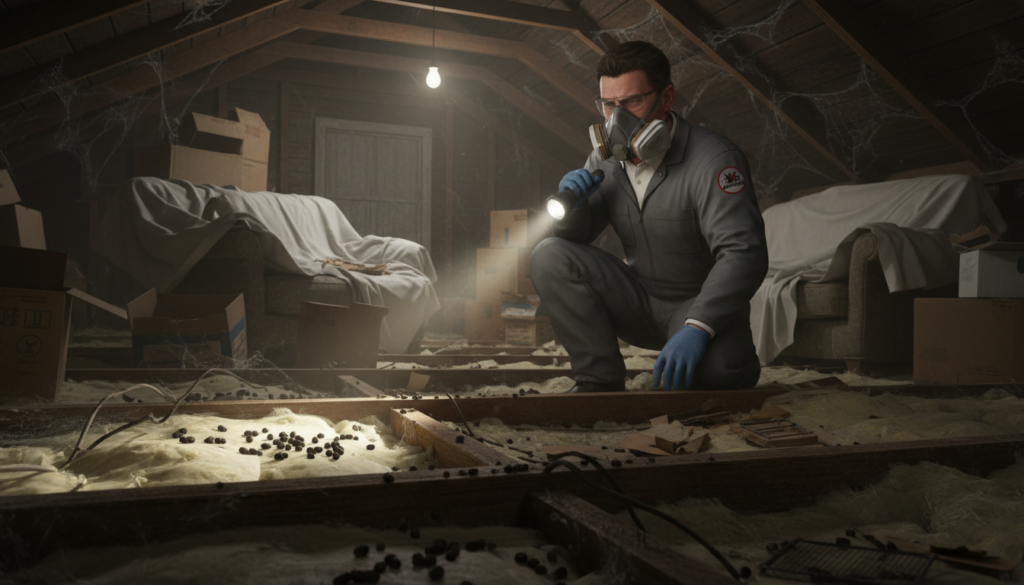
They handle contaminated material safely to prevent hantavirus exposure. Technicians wear proper protective equipment in high-risk areas like attics and crawl spaces.
Transparency is important. Bug Managers offers free inspections and estimates with no hidden fees. You’ll get upfront, honest pricing and warranties on their services.
Book Your Inspection Today: Credit and Debit Accepted
Scheduling your rodent inspection is easy and convenient. When you book a same-day service in Brampton, a certified technician will arrive quickly. They assess your situation and identify contamination areas, entry points, and specific risks.
After your inspection, you’ll get a detailed written estimate. It explains the recommended treatment plan and costs. There’s no obligation and no pressure. You’ll get expert advice from professionals who understand GTA homes.
Bug Managers accepts both credit and debit cards for easy payment. They offer flexible scheduling, including evenings and weekends. Most treatments are done in one or two visits, depending on the infestation’s severity.
| Service Feature | Bug Managers Advantage |
|---|---|
| Inspection & Estimate | Free with no obligation |
| Response Time | Same-day or next-day service available |
| Technician Credentials | Licensed, trained professionals |
| Product Approach | Eco-friendly, pet-safe options |
| Warranty Coverage | 3-6 month guarantee with free retreatment |
| Payment Options | Credit and debit cards accepted |
Don’t let mice create a health crisis in your home. Hantavirus is a real danger to your family’s health. Contact Bug Managers now for your free inspection. Take the first step toward a rodent-free home. Your health and peace of mind deserve professional protection from a licensed exterminator for rodents in the GTA who cares about your safety.
Conclusion
Mice in your GTA home can carry hantavirus. This is rare in Ontario but very serious. They spread the virus through their droppings and saliva.
When these materials get airborne, you can breathe them in. This is why cleaning up carefully is so important.
Spotting mice early is key. Look for droppings, scratching sounds, and gnaw marks. These signs mean you need to act fast.
Never vacuum or sweep mouse droppings yourself. This can make the problem worse. Professional pest control services know how to clean safely.
DIY methods are not always enough. They can be risky. Professional teams offer safer, smarter solutions with guaranteed results.
They check your whole home, remove rodents, and seal entry points. They also clean contaminated spots and offer warranties. This gives you peace of mind.
Mouse problems get worse over time. Populations grow fast. Waiting can put your family at risk from hantavirus and other diseases.
Getting professional help now is cheaper than dealing with problems later. Your family’s health is worth it.
Bug Managers offers local expertise in Brampton, Mississauga, Toronto, and Vaughan. We provide same-day service, eco-friendly options, and clear prices. Our licensed technicians put your family’s safety first.
Contact us for your free inspection and mice removal solutions. We accept credit and debit cards. Let us help you take back your home from mice.
This guide is for education only. It does not replace medical advice. If you think you’ve been exposed to hantavirus, see your doctor.
For pest control, always choose licensed, insured professionals. Bug Managers is a licensed service provider in the GTA. We serve Brampton, Mississauga, Toronto, Vaughan, and nearby areas. Results depend on property conditions and infestation severity. All services require inspection and a written agreement.
# Can Mice in Your Home Cause Hantavirus? GTA Homeowners Guide
Discovering mice in your home is stressful. It’s concerning when you learn about health risks. The good news is you’re not alone. Mouse infestations are common in the GTA, more so in colder months.
Can mice in your home cause hantavirus? Yes, they can. Knowing this is key to protecting your family.
Hantavirus is rare in Ontario but serious. This guide covers everything about hantavirus. It talks about transmission, identification, safe cleanup, prevention, and why professional pest control is safest.
Whether in Brampton, Mississauga, Toronto, or Vaughan, this guide addresses GTA homeowners’ concerns. Hantavirus can feel alarming, but there are effective solutions. Bug Managers helps protect your home and family from hantavirus and other health risks.
# Understanding Hantavirus and Its Connection to Mice
Hantavirus Pulmonary Syndrome (HPS) is a rare but severe disease. It’s caused by inhaling particles from infected rodent droppings, urine, or saliva. You don’t need to be bitten to get infected.
Symptoms start 1 to 5 weeks after exposure. They look like the flu, making early diagnosis hard. Symptoms include fever, muscle aches, fatigue, headaches, and gastrointestinal discomfort.
HPS progresses quickly. Within 4 to 10 days, it enters the cardiopulmonary phase. This phase is life-threatening, needing hospitalization.
Hantavirus is rare in Canada but serious. Without treatment, the mortality rate is up to 38 percent. Early treatment improves outcomes.
# How Deer Mice Spread Hantavirus in Ontario
Deer mice carry hantavirus in Ontario. Knowing what deer mice look like helps identify the threat in your home.
Deer mice are small, with white feet and underbellies. They have large dark eyes and prominent ears. They live in woodlands and fields before seeking indoor shelter.
You don’t need to be bitten to contract hantavirus. Being in an enclosed space with rodent contamination is risky. Improper cleanup of contaminated areas is a common exposure route.
# Transmission Methods: Droppings, Urine, and Saliva
Hantavirus transmission occurs through three methods. Inhalation of airborne particles is the most dangerous. This happens when contaminated materials are disturbed.
Direct contact with contaminated surfaces is the second route. This occurs when you touch surfaces with viral particles and then touch your mouth, nose, or eyes. Proper hand washing and disinfecting surfaces are critical.
Bite wounds are a rare third route. While infection through mouse bites is possible, it’s uncommon. Any mouse bite should be cleaned thoroughly and treated by a healthcare provider.
The inhalation route is most common and dangerous. Understanding proper cleanup methods is critical for GTA homeowners. Professional pest control services are necessary for safe removal and cleanup.
# Recognizing the Signs of Mouse Infestation in Your GTA Home
Early detection is key to preventing hantavirus exposure. The sooner you identify a mouse infestation, the less contamination accumulates. Mice establish populations quickly and reproduce rapidly.
Mouse droppings are a clear sign of infestation. Look for small, dark pellets resembling black rice grains. These are usually found in kitchen cabinets, drawers, and along baseboards.
Scratching or scurrying sounds in walls and ceilings indicate active rodent movement. These sounds increase at night. If you hear consistent scratching, dragging, or running sounds, mice are present.
Gnaw marks on food packaging, cardboard boxes, wires, and wooden structures indicate mouse activity. Mice’s teeth never stop growing, so they constantly chew to maintain proper tooth length.
Greasy rub marks along walls and baseboards indicate well-established mouse highways. These marks are visible along baseboards in kitchens and in the corners of rooms.
Nesting materials like shredded paper, fabric, insulation, and hair found in hidden areas indicate mice are establishing nests. Check inside walls, under insulation in attics, and in the back corners of cabinets.
A distinctive musky, stale odour intensifies with larger infestations. Mouse urine has a strong, recognizable smell. If you detect an unusual odour in specific areas of your home, it warrants investigation.
Actual sightings of live or dead mice indicate a significant population. If you see mice during the day, the infestation is likely severe.
High-risk areas require special attention. Attics are prime mouse territory. Basements provide easy entry points through foundation cracks and gaps around utility lines.
Kitchens are major contamination zones because mice are attracted to food sources. Check inside drawers, cabinets, under sinks, behind appliances, and in pantries thoroughly. Areas around plumbing and utility entry points, storage rooms with cardboard boxes, and garages where pet food or birdseed may be stored all represent high-contamination risk areas.
If you notice any of these signs in your Brampton, Mississauga, Toronto, or Vaughan home, it’s time to take action. Protect your family from potential hantavirus exposure and other rodent-borne diseases. Don’t wait for the problem to worsen—early intervention is always more effective and less expensive than dealing with established infestations.
# Health Risks: Can Mice in Your Home Cause Hantavirus? GTA Homeowners Guide
This section directly answers the central question of this guide: yes, mice in your home can cause hantavirus. But there are other health risks from rodent infestations. Understanding these dangers helps GTA families see why professional pest control is essential.
### Early Symptoms of Hantavirus Exposure
If you’ve been exposed to hantavirus through rodent droppings or contaminated areas in your home, symptoms typically appear 1 to 5 weeks after exposure. They closely resemble influenza, making early diagnosis challenging. Symptoms include fever, muscle aches, fatigue, headaches, and gastrointestinal discomfort.
HPS progresses quickly. Within 4 to 10 days, it enters the cardiopulmonary phase. This phase is life-threatening, needing hospitalization.
Hantavirus is rare in Ontario but serious. Without treatment, the mortality rate is up to 38 percent. Early treatment improves outcomes.
#Zoonotic Diseases from Rodents Beyond Hantavirus
Hantavirus isn’t the only concern when mice infest your home. Mice transmit numerous other zoonotic diseases. Salmonellosis occurs through contaminated food and surfaces. Mice carry Salmonella bacteria in their droppings and urine.
Leptospirosis transmits through mouse urine, causing fever, severe headache, muscle aches, and can progress to kidney damage, liver failure, and meningitis if untreated. Lymphocytic Choriomeningitis (LCMV) is another rodent-borne virus that causes fever, headache, muscle aches, and can progress to meningitis or encephalitis. Pregnant women are at particular risk as LCMV can cause serious birth defects.
Parasites like ticks, fleas, and mites hitch rides on mice into your home. These parasites carry their own diseases. Ticks transmit Lyme disease and other serious illnesses, while fleas can transmit plague and other diseases. Mouse allergens in droppings, urine, and dander trigger or worsen asthma and allergies, affecting children and individuals with respiratory conditions.
Fire hazards from mice chewing electrical wires create a property risk. Rodent damage to wiring is a documented cause of house fires—a risk that extends beyond health to safety and property loss.
These combined health and safety risks make professional pest control not just advisable but essential for protecting GTA families. When you hire a licensed pest control service, you’re protecting your home against an entire spectrum of dangers, not just hantavirus alone.
# How Common Is Hantavirus in Ontario and the GTA?
GTA homeowners often ask: “If hantavirus is so dangerous, why haven’t I heard more about it?” This is a fair question, and the answer provides important context for understanding your actual risk level without unnecessary fear.
Hantavirus is rare in Ontario compared to some regions of the United States. According to the Public Health Agency of Canada, fewer than 100 cases have been reported nationwide since surveillance began. Ontario’s risk is considered low to moderate, with deer mouse populations present throughout rural and suburban areas of the GTA.
Seasonal patterns are critical to understand: mouse populations are higher in colder months. Knowing this helps you take preventive measures.
📞 Contact Bug Managers Pest Control & Wildlife Removal
📞 Call or Text: 647-326-4888
🌐 Website: www.bugmanagers.com
📧 Email: bugmanagers@gmail.com
📍 Service Area: Brampton, Mississauga, Toronto & GTA
👉 Book a fast inspection today and get expert pest control you can trust.