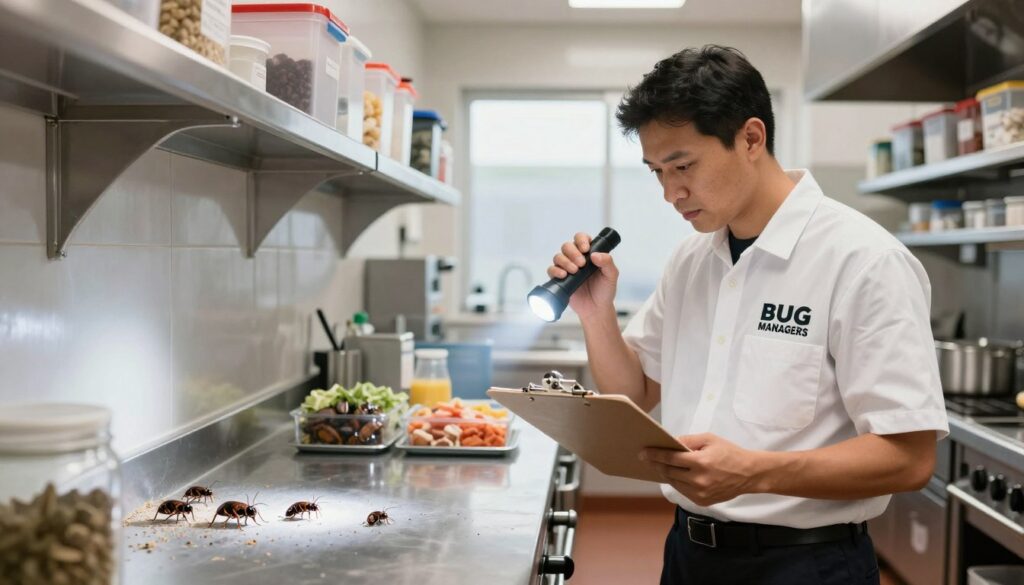
Running a food business means following strict safety rules. Many owners face challenges when an Ontario health inspection finds pests like rodents, cockroaches, or flies. These pests love hiding in small, dirty spots where food waste builds up.
Keeping your place clean is key to protecting your business’s image. By finding and fixing common hiding spots, you can stop pests before they become a problem. This guide will give you actionable strategies to keep your kitchen safe and up to code for all customers.
By using these expert methods, you’ll meet local health standards. Being proactive is the best lead-generating title for your business’s growth. Let’s dive into how cleanliness and following rules go hand in hand.
Key Takeaways
- Identify common entry points for rodents and insects in commercial kitchens.
- Implement rigorous cleaning schedules to eliminate food sources for pests.
- Seal cracks and crevices to remove potential nesting sites.
- Train staff on proper waste management and storage protocols.
- Regularly audit your facility to maintain high safety standards.
Understanding Ontario Health Inspection Standards for Pest Control
Keeping your place pest-free is key to passing health inspections in Ontario. The province has strict Ontario health regulations to keep food places safe. Owners must prevent, find, and get rid of pests in their buildings.
Good food premises pest control is more than just cleaning. It needs a constant effort with pest control practices in daily work. Inspectors check for signs of pests like droppings or damaged food.
To follow Ontario food safety rules, many places get help from licensed commercial pest control services. Whether in the GTA, Toronto, Mississauga, or Brampton, a pro restaurant exterminator helps meet standards. They offer restaurant pest control services made for commercial kitchens.
If pests show up suddenly, fast emergency restaurant pest control is crucial to avoid closing. Many services offer same-day pest control for restaurants to quickly solve problems. A commercial exterminator keeps your place up to standard, no matter where you are.
The table below shows what inspectors check during a visit to make sure your Ontario restaurant pest control is working:
| Inspection Category | Compliance Requirement | Risk Level |
|---|---|---|
| Structural Integrity | Seal all gaps and cracks | High |
| Sanitation Logs | Documented cleaning schedules | Medium |
| Pest Monitoring | Regular professional inspections | High |
| Waste Management | Secure, covered disposal bins | Medium |
By focusing on these standards, you keep your business safe and your customers happy. Looking for commercial pest control gta or pest control near me is a good start. Staying alert keeps your place at the top in food safety.
The Risks of Pest Harbourage in Commercial Kitchens
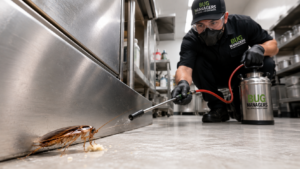
Pest harbourage in commercial kitchens is a big threat to public health and your business. When pests hide, breed, and thrive, it leads to serious health inspection pest violations. Following Ontario health regulations is key to keeping your dining area safe.
Good pest control practices stop infestations from spreading fast. Without regular checks, even a small problem can grow big. This could lead to your kitchen being shut down by the authorities. Staying on top of Ontario food safety standards helps you avoid expensive fines.
A skilled restaurant exterminator finds hidden spots where pests breed. Using food premises pest control experts keeps your kitchen safe from pests like rodents, cockroaches, and flies. Getting a commercial exterminator is a smart move to protect your kitchen.
Strong Ontario restaurant pest control needs to know how pests use your kitchen. With restaurant pest control services, you can stop problems before they start. Here’s a table showing the main risks from common kitchen pests.
| Pest Type | Primary Harbourage Area | Health Risk |
|---|---|---|
| Rodents | Wall voids and behind equipment | Structural damage and disease |
| Cockroaches | Dark, moist crevices near heat | Pathogen transmission |
| Fruit Flies | Floor drains and organic buildup | Food contamination |
Implementing Integrated Pest Management (IPM) Strategies
Keeping your restaurant pest-free starts with a strong Integrated Pest Management (IPM) plan. This method focuses on long-term fixes, not quick chemical solutions. It helps you keep your food safe and your reputation intact.
At the heart of this plan is regular monitoring and changing the environment. Good pest prevention means finding and fixing the problems, not just treating the symptoms. By doing this, you make your restaurant a place where pests can’t survive or find food.
Effective Restaurent pest management strategies involve checking, identifying, and acting. Keeping records helps staff spot trends and fix problems early. This way, your restaurant meets Canada’s strict health rules.
Working with commercial pest control services makes it easier to follow these steps. These experts bring the know-how to manage pests well. Regular checks and detailed records are key benefits of this partnership, keeping your business safe from pests.
Sanitation Protocols to Eliminate Pest Breeding Grounds
Sanitation is key for any commercial pest control program in Ontario. To keep your kitchen clean, you need to go beyond just wiping surfaces. You must also clean hidden areas where pests live to meet health standards.
Good pest management strategies mean removing things that attract pests. By making your kitchen less welcoming to pests, you keep it clean. Staying consistent is crucial for keeping up these standards.
To stop pests, focus on where they hide and breed. Kitchen pest control gets easier when you take away their food and water. Here are some important cleaning tasks to keep your kitchen safe:
- Deep clean grease traps weekly to remove organic buildup that attracts drain flies and cockroaches.
- Clear all food debris from under heavy equipment and behind refrigeration units.
- Sanitize floor drains and pipes to prevent the accumulation of slime and decaying matter.
To stop pests from breeding, be proactive in maintaining your kitchen. Strong commercial kitchen sanitation means no area is left untouched. By removing moisture and waste, you stop pests from making homes.
Following strict restaurant hygiene standards is more than just passing inspections. It’s about keeping your reputation and customers safe. With these cleaning routines, you build a strong defense against pests. A clean kitchen is safer and more efficient for everyone.
Proper Food Storage and Handling Techniques
Keeping food properly stored is key to fighting pests in any kitchen. Ingredients in paper or cardboard are a magnet for rodents and insects. Using airtight containers made of glass or plastic is crucial for pest harbourage prevention.
These containers keep food smells in, stopping pests from finding food. This is a must for commercial kitchen sanitation and restaurant hygiene standards. It also helps prevent pests like weevils and moths from getting to your dry goods.
Using the FIFO (First-In, First-Out) method is also vital for stored product pest control. It means using older items before new ones arrive. This stops ingredients from getting old and spoiled.
Keeping your storage area tidy makes it easier to check and clean. Shelves off the floor and away from walls help control pests. These habits are essential for any food facility pest control program, whether it’s a bakery, café, or warehouse.
Following HACCP pest control and CFIA pest control rules keeps your place safe and in line with Canadian laws. Below is a table showing the best ways to store food in different places to keep your kitchen clean.
| Storage Method | Pest Risk Level | Primary Benefit |
|---|---|---|
| Airtight Containers | Low | Prevents cross-contamination |
| FIFO Rotation | Medium | Reduces expired stock |
| Elevated Shelving | Low | Eliminates harbourage zones |
| Regular Inspections | Very Low | Early detection of activity |
For food processing pest control or food manufacturing pest control, being consistent is important. Train your team to spot pests during stock checks. A proactive approach to warehouse pest control, grocery store pest control, bakery pest control, café pest control, or hotel pest control will keep your stock safe and your reputation intact.
Effective Waste Management and Exterior Maintenance
Keeping pests away starts before they reach your door. Whether you run a big facility or a small business, keeping the outside clean is key. Pests look for places to get in and food outside your building.
Managing waste well is crucial for food facility pest control. Make sure dumpsters are clean and sealed. If they’re not, pests like rodents and flies will be attracted.
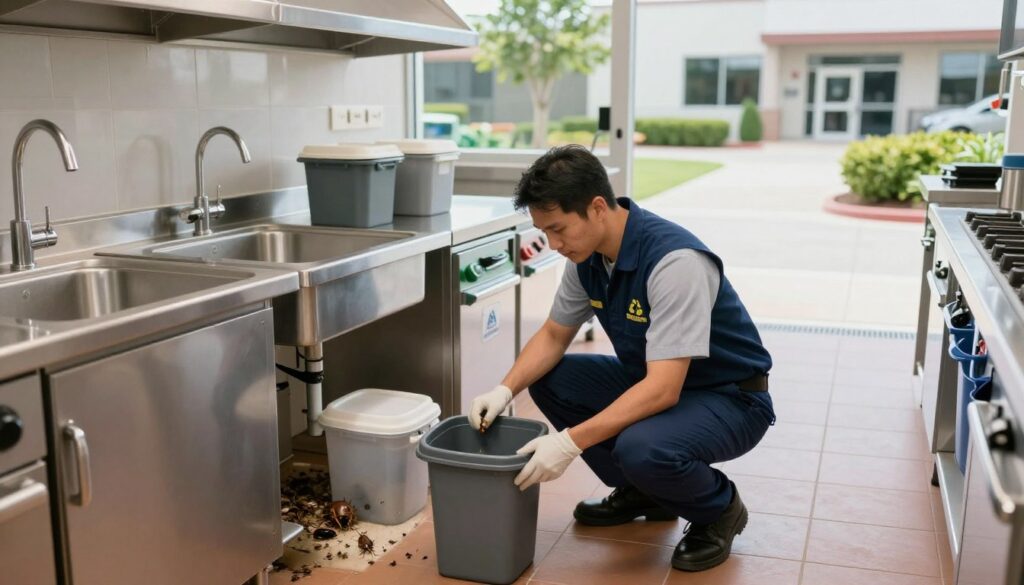
Landscaping is also important for grocery store pest control and bakery pest control. Keep plants away from your building’s foundation. This stops pests from hiding and reaching your roof or windows.
For café pest control and hotel pest control, sealing gaps is key. Small cracks can let pests in. Regular checks help keep your place clean and safe.
Keeping the outside clean is vital for stored product pest control. By managing waste and the outside, you lower the need for pest control inside. Use the table below to keep track of your maintenance.
| Maintenance Task | Frequency | Target Pest |
|---|---|---|
| Dumpster Sanitization | Weekly | Flies and Rodents |
| Vegetation Trimming | Monthly | Ants and Spiders |
| Exterior Gap Sealing | Quarterly | Rodents and Cockroaches |
| Waste Removal | Daily | General Pests |
Food processing pest control means always watching the outside. By doing these things every day, you make your place less welcoming to pests. This keeps your food safe and your business respected.
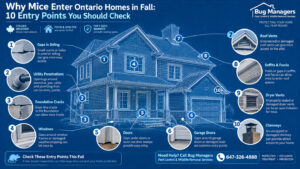
Sealing Entry Points to Prevent Rodent and Insect Infiltration
Rodents and insects sneak into restaurants through tiny gaps. Even a small hole, like a pencil, can let them in. A strict pest prevention plan is key to keep them out.
Preventing pest infestations means checking your building inside and out. Do a pest prevention checklist often. This keeps your place clean and pest-free.
Look closely at doors, windows, and utility lines. These spots are where pests usually get in. Sealing them well helps with rodent control for restaurants, cockroach control for restaurants, and fly control for commercial kitchens.
Use the table below to find and fix weak spots. This is crucial for ant control for food businesses and keeping your place safe.
| Entry Point | Potential Pest | Recommended Sealant |
|---|---|---|
| Door Sweeps | Rodents, Cockroaches | Heavy-duty rubber or metal |
| Utility Pipe Gaps | Rodents, Ants | Steel wool and expanding foam |
| Window Screens | Flies, Wasps | Fine-mesh metal screening |
| Wall Cracks | Ants, Cockroaches | Silicone-based caulk |
By making your place harder to get into, you lower the chance of pests. Regular pest prevention for restaurants keeps you in line with health rules. Start now to prevent pest infestations in restaurants and keep your good name.
How to Prevent Pest Harbourage & Pass Ontario Health Inspections
Passing an Ontario health inspection is achievable with a daily prevention checklist. It’s all about preparation before the inspector arrives. Keeping your facility clean and well-maintained shows your dedication to food safety.
Health inspection preparation is key for food business owners. A clean environment lowers the chance of health inspection pest violations. Here’s a checklist to help your kitchen meet provincial standards.
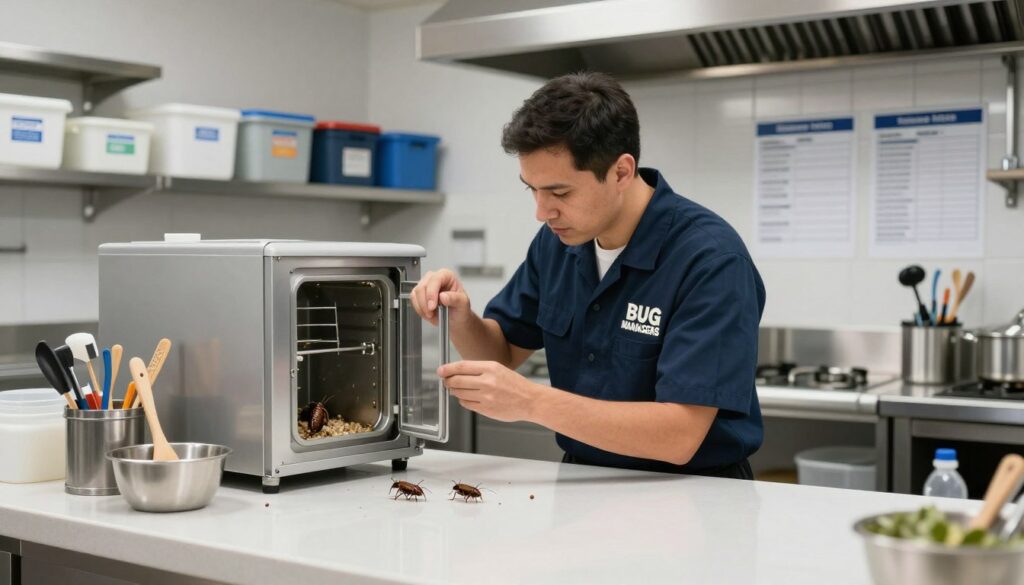
To stop pests in restaurants, tackle both inside and outside issues. Regular checks help spot problems early. Use this table to get ready for an audit.
| Inspection Area | Action Required | Frequency |
|---|---|---|
| Waste Disposal | Seal bins and clean area | Daily |
| Structural Gaps | Check for rodent entry points | Monthly |
| Food Storage | Rotate stock and seal containers | Weekly |
| Drain Maintenance | Clean to prevent fly breeding | Weekly |
Good rodent control for restaurants and cockroach control for restaurants means sealing entry points. Make sure doors fit well and screens are in place for fly control for commercial kitchens. These steps are crucial for health code compliance.
For ant control for food businesses, focus on keeping things clean. Dry surfaces and avoid food debris to keep pests away. By following this pest prevention checklist, you’ll be ready for your next Ontario health inspection with confidence.
Training Staff on Food Safety Compliance and Pest Awareness
Your staff is your first line of defence against pests. By teaching them about food safety compliance, you make them vigilant. They can catch problems early and stop them.
Training needs to be ongoing, not just a one-time thing. You should teach your team about the risks in your kitchen. Regular training keeps them focused on safety every day.
Good food safety standards coaching teaches staff to spot pest signs. They should look for droppings, gnaw marks, or strange smells. Knowing what to look for helps them report issues fast, keeping you in line with health code compliance.
Teaching your team well prepares them for health inspections. When they feel confident in their work, they do better. This teamwork makes your place safer for everyone.
| Training Focus Area | Primary Objective | Compliance Impact |
|---|---|---|
| Pest Identification | Recognize early signs of infestation | High |
| Reporting Protocols | Ensure rapid management response | Critical |
| Sanitation Standards | Maintain restaurant health code compliance | Essential |
| Storage Best Practices | Support food business compliance | High |
Conclusion
Keeping pests away requires continuous monitoring, excellent sanitation, and a proactive Integrated Pest Management (IPM) program. A strong pest prevention plan helps protect your customers, safeguard your reputation, and support compliance with Ontario Health inspection standards.
At Bug Managers Pest Control & Wildlife Removal, we provide professional Commercial Pest Control services for restaurants, commercial kitchens, warehouses, and food facilities across the GTA. Our licensed technicians identify pest harbourage areas, recommend corrective actions, and deliver long-term solutions through customized IPM programs.
Whether you need Restaurant Pest Control, Cockroach Control, Rodent Control, or Warehouse Pest Control, our goal is to help your business stay pest-free and inspection-ready all year.
Book your FREE Commercial Pest Inspection today.
Related Pages:
- Commercial Pest Control
- Restaurant Pest Control
- Cockroach Control
- Rodent Control
- Warehouse Pest Control
- Pest Prevention Blog
- Contact Bug Managers
Bug Managers Pest Control & Wildlife Removal
Phone: 647-326-4888
Email: bugmanagers@gmail.com
Website: www.bugmanagers.com