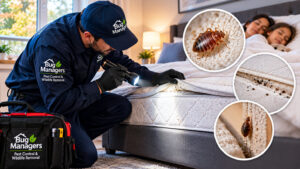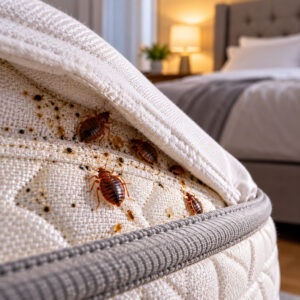
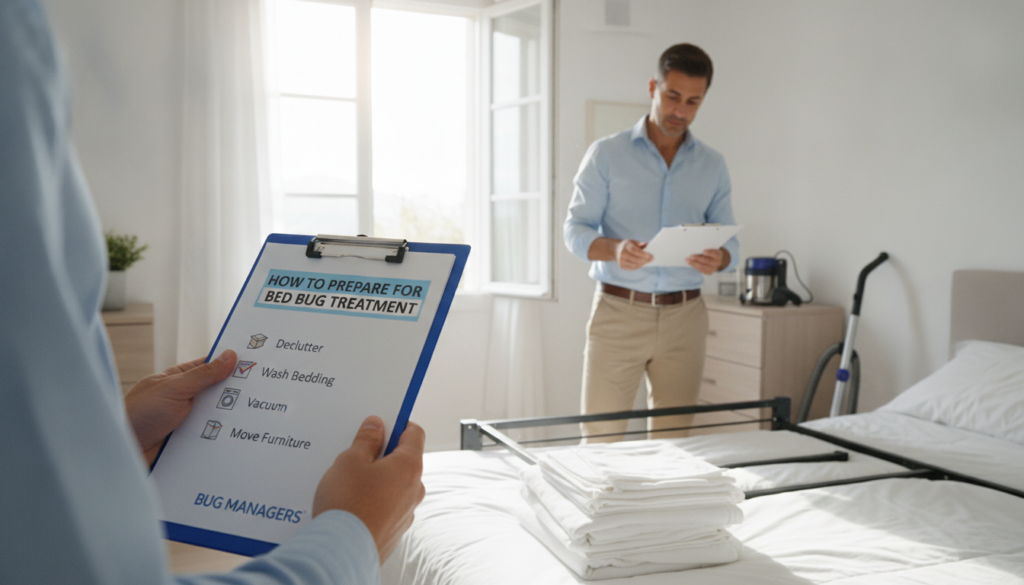
Finding bed bugs in your home feels awful. You lose sleep, question every itch, and wonder how long the problem will last. Take a breath—this problem is fixable, and thousands of Ontario households face it every year.
Your preparation can matter nearly as much as the products your technician sprays or uses for heat treatment. A skilled professional can reach only areas you make accessible. Learning how to prepare for bed bug treatment gives the job a better chance of working the first time.
This guide explains bed bug treatment: before & after care from start to finish. It includes a room-by-room bed bug treatment checklist, laundry and bagging rules, and decluttering tips. You will also learn safe steps for children and pets, re-entry timelines, and what to clean indoors.
We cover monitoring, follow-up visits, prevention habits, and mistakes that let bugs return. Careful bed bug treatment preparation can save money and prevent repeat appointments.
If you search for a bed bug exterminator near me, Bug Managers offers licensed professional bed bug treatment. It serves Mississauga, Brampton, Toronto, and the wider GTA. Our team provides bed bug control Ontario families trust, and Health Canada’s bed bug fact sheet supports much of this guidance.
Key Takeaways
- Your preparation directly affects how well any treatment works — technicians can’t treat what they can’t access.
- Wash and dry fabrics on high heat, then seal them in bags until the job is fully finished.
- Declutter and pull furniture away from walls so every hiding spot stays reachable.
- Follow your technician’s re-entry timeline exactly, especially with children, pets or anyone with breathing issues.
- Hold off on deep cleaning after treatment so residual products keep working.
- Most infestations need at least one follow-up visit plus ongoing monitoring.
- Small prevention habits stop bed bugs from returning after the job is done.
Why Preparation Matters for Professional Bed Bug Treatment
Bed bugs hide in mattress seams, box spring corners, baseboard gaps, electrical outlets, and clutter stacks. Your technician needs clear sightlines and open surfaces to reach every hiding spot. That is why bed bug extermination preparation is essential.
Without preparation, technicians may miss hiding places. Survivors can breed, bringing the infestation back within weeks. This can mean extra service calls, more disruption, and higher costs.
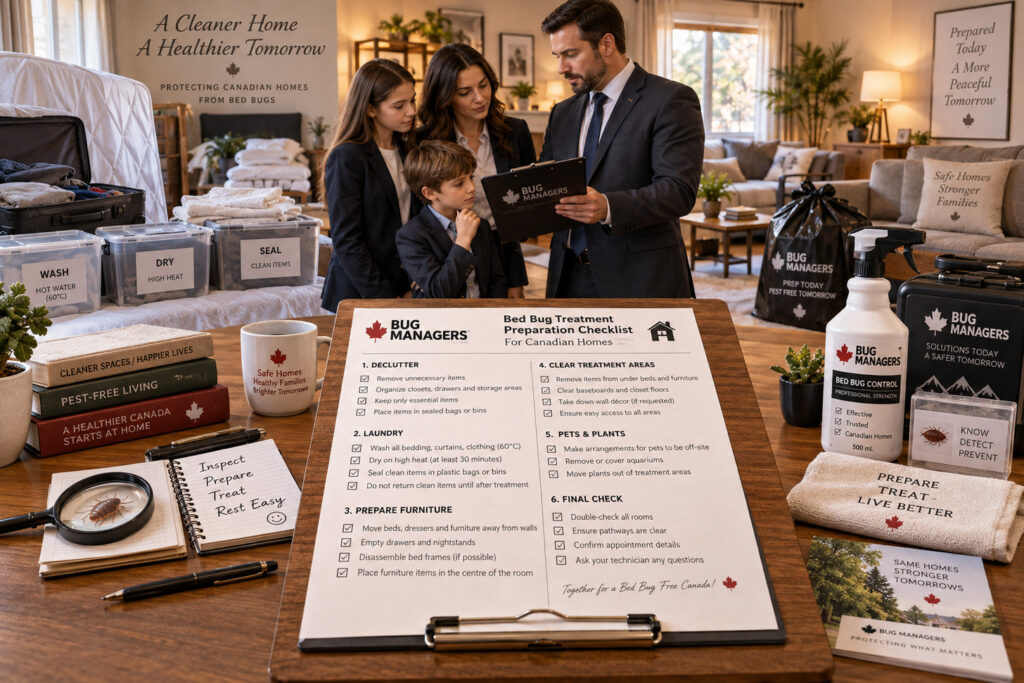
Preparation depends on the method your bed bug removal service recommends, including bed bug heat treatment:
| Preparation Factor | Chemical / Residual Treatment | Bed Bug Heat Treatment |
|---|---|---|
| Clothing and linens | Wash, dry on high heat, seal in bags | Leave items loose so heat penetrates fabric |
| Heat-sensitive items | Can stay in place | Remove candles, aerosols, medications, cosmetics |
| Plants and pets | Relocate during application | Remove from the home entirely |
| Furniture access | Pull beds and dressers 30 cm from walls | Open drawers and space furniture for airflow |
How long does professional bed bug treatment take? Most visits last two to six hours, depending on home size and infestation spread. Across Ontario, two or three visits, spaced 10 to 14 days apart, are standard because eggs hatch after treatment.
Wondering when should I call an exterminator for bed bugs? Call when you spot live bugs, shed skins, rusty spots, or unexplained bites. Our bed bug pest control GTA team sends a written prep sheet, making preparing home for bed bug treatment straightforward.
Toronto Public Health offers helpful bed bug resources, and our blog covers early signs of bed bugs and inspections.
How to Prepare for Bed Bug Treatment: Your Complete Pre-Treatment Checklist
Wondering what should I do before bed bug exterminator arrives? Start 24 to 48 hours before service. Use this bed bug treatment preparation checklist to help your technician reach important hiding spots.
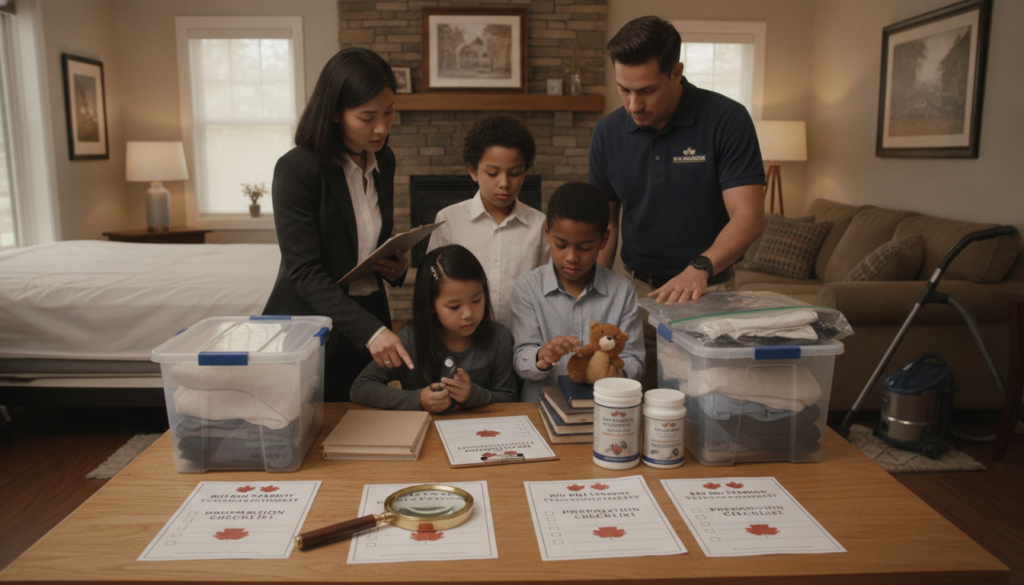
- Confirm the treatment type — heat, chemical or a combination — when you book your bed bug treatment.
- Wash and dry all clothing, bedding and linens on the hottest safe setting, then seal them in bags.
- Strip every bed down to the bare mattress and box spring.
- Empty dressers, nightstands and closet floors.
- Pull furniture 30–45 cm away from the walls.
- Take down wall hangings and remove outlet covers if your technician asks.
- Vacuum floors, mattress seams and baseboards, then seal the bag and toss it in an outdoor bin.
- Clear food, dishes and pet bowls from treatment rooms.
- Shut off HVAC and fans as directed; unplug electronics before heat treatment.
- Arrange pet and child care, plus a place to wait during and after service.
Gather these supplies before bed bug treatment day so the crew can work without delays:
- Heavy-duty clear plastic bags
- Painter’s tape for labelling and sealing
- Zippered mattress and box spring encasements
- Permanent marker and labels for bagged items
| Preparation Task | Best Timing | Why It Matters |
|---|---|---|
| Laundering fabrics | 48 hours before | Kills all life stages with heat |
| Moving furniture | 24 hours before | Opens baseboards for spraying |
| Vacuuming | Morning of service | Removes live bugs and eggs |
| Booking pet care | 3 days before | Keeps animals safely away |
Knowing what to do before professional bed bug treatment saves time and money. Thorough bed bug exterminator preparation can mean one visit instead of three. Need a bed bug inspection near me or emergency bed bug treatment? Book early and prepare quickly.
Preparing Bedrooms and Sleeping Areas Before Bed Bug Treatment
Bedrooms are ground zero for most infestations, so careful preparation matters most there. Learning how to prepare your home for bed bug treatment starts near your sleeping area.
Strip all bedding, pillowcases and mattress protectors, then bag them beside the bed. Never carry loose linens through a hallway. Dropped bugs and eggs can create brand new hot spots.
Leave mattresses and box springs inside the room unless your technician says otherwise. Remove headboards when possible, empty each nightstand, clear under-bed bins and sweep the floor. Disassemble bed frames only when your exterminator asks you to.
One key bed bug elimination tip is to avoid moving to the couch or guest room. Bed bugs follow sleeping hosts, and one night on the sofa can spread an infestation into a clean room.
For bed bug treatment for apartments in Toronto or bed bug treatment for condos in Mississauga, notify managers early. Buildings often inspect neighbouring units and enforce strict rules for wrapping and labelling discarded furniture. Toronto Public Health offers free tenant guidance worth reviewing before treatment day.
| Bedroom Task | Do This | Avoid This |
|---|---|---|
| Bedding | Bag at the bedside, wash on hot | Carrying loose sheets through the home |
| Mattress | Keep in the room, leave uncovered | Placing it in hallways or elevators |
| Bed frame | Dismantle only if requested | Taking it apart before the visit |
| Sleeping spot | Stay in your usual bed | Sleeping on couches or spare rooms |
| Condo or rental | Alert building management first | Ignoring shared-wall unit checks |
Solid preparation before bed bug treatment Mississauga crews arrive means fewer follow-up visits and faster results.
Washing, Drying and Bagging Clothing, Bedding and Linens
Laundry day is an important step in bed bug control. Heat kills bed bugs, but detergent alone does not. Bed bug cleaning instructions begin at the washer and end at the dryer.
Wash clothes before bed bug treatment using the hottest water the fabric label allows. Dry everything on high heat for at least 30 minutes. Research shows temperatures near 50 °C destroy adults, nymphs and eggs.
Should I wash all my clothes before bed bug treatment? Anything stored in infested rooms should be washed. Dry-clean-only pieces can skip washing and go into a high-heat dryer, or be sealed, labelled and given to your cleaner.
Follow this order so you do not undo your work:
- Fill sealed plastic bags in the bedroom, not the hallway.
- Empty bags directly into the washer, then toss or wash the bag right away.
- Repack clean items in fresh bags or sealed bins.
- Keep them sealed until your technician gives the all-clear.
Do not forget shoes, coats, backpacks, purses and stuffed items. Delicates that cannot handle heat can stay in a freezer at −18 °C for four days instead.
| Item Type | Recommended Method | Minimum Time |
|---|---|---|
| Bedding and towels | Hot wash plus high-heat dry | 30 minutes drying |
| Everyday clothing | Warm or hot wash, high-heat dry | 30 minutes drying |
| Suits and silk | Dryer on high, no wash | 30 minutes |
| Shoes and purses | Freezer at −18 °C | 4 days |
Never carry clean laundry back into an untreated room. Want to know how long do bed bugs survive after treatment? Stragglers can linger for days, so sealed storage matters during bed bug treatment Brampton visits. Learn more in our guide to bed bug heat treatment.
Decluttering, Moving Furniture and Giving Your Exterminator Full Access
Clutter helps bed bugs hide. Cardboard boxes, paper piles and laundry heaps give them places to avoid treatment products. Clearing these areas is a key part of bed bug extermination preparation.
Work through your home room by room with these steps:
- Remove cardboard boxes, paper stacks and under-bed storage bins.
- Sort belongings into sealed clear plastic bags, never cardboard.
- Pull furniture 30–45 cm away from walls so baseboards are exposed.
- Empty dressers and nightstands, leaving drawers out for inspection.
- Clear closet floors and lower shelves completely.
- Lift area rugs if your technician asks you to.
- Leave outlets, vents, window frames and door casings easy to reach.
Do not move infested furniture during treatment. It can spread eggs through hallways and shared spaces. If a mattress or couch must go, slash the fabric and label it “BED BUGS” in bold marker.
Follow disposal rules in Brampton, Mississauga and Toronto.
Storage units carry a similar risk. Boxing up belongings and taking them offsite usually moves the infestation instead of ending it.
| Action | Result |
|---|---|
| Bagging items in clear plastic | Keeps bugs contained and visible |
| Using cardboard boxes | Creates new harbourage sites |
| Full wall and baseboard access | Complete product coverage |
| Renting offsite storage | Spreads bugs to a second location |
A bed bug exterminator Brampton or bed bug exterminator Toronto homeowners trust will confirm these steps before arrival. Good access makes professional bed bug treatment faster and may prevent extra visits for an affordable bed bug exterminator. Learn more about bed bug treatment for homes in Brampton through Bug Managers residential pest control services.
Preparing Children’s Items, Pets and Sensitive Household Members
Little ones and furry family members need extra care during bed bug treatment preparation. A few simple steps help keep everyone safe while your technician works.
Start with children’s belongings. Wash plush toys, blankets and crib sheets hot, then dry them on high heat for 30 minutes. Seal them in clean bags until cleared, and store hard toys in sealed bins. Strip cribs and change tables to frames; remove soothers, bottles, sippy cups; wipe hard toys with warm soapy water.
Pets should spend the day off-site whenever possible. Cats, dogs, rabbits and birds are all sensitive to treatment products.
- Remove food bowls, water dishes, litter boxes and scratching posts
- Launder pet bedding on high heat and bag it afterward
- Cover fish tanks fully and switch off air pumps before the visit
- Take cages and carriers out of rooms being treated
Tell your provider about pregnancy, asthma, allergies, immune conditions or elderly residents in the home. Reputable GTA bed bug control teams can schedule low-odour products, targeted applications and longer airing times. Searching for bed bug treatment near me? Ask how the company handles sensitive occupants before booking.
Clear medications, food and toiletries off counters, then seal them away. Health Canada’s Pest Management Regulatory Agency offers safety guidance for licensed bed bug control Ontario services. These precautions make post-treatment bed bug cleaning simpler when you return home.
How Long to Stay Out After Bed Bug Treatment and Safe Re-Entry Rules
Many people ask how long to stay out after bed bug treatment. Follow your technician’s written instructions. They match the products used in your home and override general online advice.
Here is what most households in the GTA can expect:
| Treatment Type | Typical Time Out of the Home | Sign It’s Safe to Return |
|---|---|---|
| Liquid residual spray | 4 to 6 hours | All treated surfaces are dry to the touch |
| Spray plus dust application | Up to 8 hours | Dust has settled and rooms have been aired out |
| Whole-room heat treatment | 4 to 8 hours | Indoor temperature has cooled to a normal range |
| Infants, seniors, pregnancy, asthma | Add 2 to 4 extra hours | Technician gives written clearance |
How long should I stay out after bed bug treatment if weather is damp or airflow is poor? Wait a little longer. Rooms that dry slowly need extra time.
After returning, open windows for 15 to 30 minutes to refresh the air. Good bed bug treatment aftercare means leaving treated areas alone. Do not mop baseboards, wipe treated cracks, or shampoo carpets. Scrubbing removes the residual barrier that keeps working after bed bug treatment.
Bug Managers technicians provide your re-entry time in writing after every service call. This applies whether you booked bed bug treatment Toronto homeowners trust or the best professional bed bug treatment in Mississauga. No guessing is required.
What to Do After Bed Bug Treatment: Post-Treatment Cleaning and Aftercare
Once your technician leaves, the work shifts to you. Knowing what to do after bed bug exterminator treatment protects leftover products and speeds results.
Many people ask, can I sleep in my bed after bed bug treatment? Yes, you should. Sleeping elsewhere pushes hungry bugs into other rooms of your home.
Use zippered encasements on your mattress and box spring. Keep sheets off the floor, and carry on as usual.
When can I vacuum after bed bug treatment? Most Canadian technicians say to wait 7 to 14 days before post-treatment bed bug cleaning, so residual product can work.
Vacuum untreated rooms and hallways, seal the bag, take it outside, and bin it right away.
Is it normal to see bed bugs after treatment? Yes. They may appear for one to three weeks, crossing treated surfaces and picking up the product.
Skip foggers, bug bombs and store-bought sprays; they scatter insects and undo professional work. For itchy welts, read our guide to bed bug bites.
| Task | Timing | Why It Matters |
|---|---|---|
| Sleep in your own bed | Same night | Keeps bugs in treated zones |
| Launder bedding weekly | 60°C wash, 30 min high-heat dry | Kills eggs and nymphs |
| Light vacuuming, untreated areas | Anytime | Removes stray bugs and debris |
| Mopping and deep post-treatment bed bug cleaning | After 7–14 days | Preserves residual product |
| Report sightings to your technician | Week 2 onward | Guides follow-up visits |
Monitoring, Follow-Up Treatments and Preventing Bed Bugs From Coming Back
The four to eight weeks after service are the real test. Eggs hatch on their own schedule, so patience and careful watching matter as much as treatment.
Many homeowners ask, how do I know if bed bug treatment worked? The answer is simple: zero live bugs and zero new bites for three to four straight weeks. Keep a short log of bites, sightings and dates to share with your technician at the follow-up visit.
- Interceptor cups placed under every bed and sofa leg
- Mattress and box spring encasements left on for at least 12 months
- Sticky monitors near baseboards and headboards
- Weekly flashlight checks of seams, tufts and frame joints
Wondering how many treatments are needed to get rid of bed bugs? Most Ontario homes need two or three professional visits spaced 10 to 14 days apart. Cancelling that second visit is the fastest way to restart the problem.
Use these bed bug prevention strategies for preventing bed bug infestations over the long term:
- Inspect used or curbside furniture before bringing it inside
- Unpack luggage straight into a hot dryer after travel
- Pull beds a few centimetres away from walls
- Seal cracks, baseboard gaps and outlet openings
- Cut clutter and check guest rooms monthly
- Report sightings early in condo or apartment buildings
| Common Mistake | Better Choice |
|---|---|
| Skipping prep work | Follow the full checklist before arrival |
| Tossing the mattress right away | Encase it and keep monitoring |
| Using store-bought foggers | Trust targeted professional products |
| Sleeping in another room | Stay in your treated bed as directed |
| Storing items at a friend’s place | Bag and heat-treat belongings at home |
These cleaning & prevention tips show how to prevent bed bugs from coming back after treatment. Ask your bed bug exterminator Mississauga team about Bug Managers preventative pest control plans. These plans help prevent bed bugs from coming back for good, and you can review guidance from Public Health Ontario.
Conclusion
Beating bed bugs takes three important phases: prepare your home before treatment, follow re-entry and aftercare instructions, and complete the recommended monitoring and follow-up visits. Missing an important step can give surviving bed bugs another opportunity to spread.
A bed bug infestation does not mean your home is dirty. Bed bugs can travel on luggage, clothing, furniture and other belongings, and they can occur in apartments, condos and houses. The City of Toronto also notes that anyone can experience a bed bug infestation, regardless of income or type of housing.
For additional guidance, see the Health Canada bed bug prevention and treatment recommendations and the City of Toronto bed bug information page.
With proper preparation and help from a licensed pest-control professional, professional bed bug treatment can provide effective control. Health Canada recommends hiring a licensed pest-control operator because bed bugs can be extremely difficult to eliminate without professional treatment.
Bug Managers provides professional bed bug removal and control services across Mississauga, Brampton, Toronto and the GTA. Whether you are a homeowner, tenant, landlord, property manager or condo board, our team can develop a treatment plan based on the extent of the infestation.
Residents looking for bed bug treatment in Mississauga, a bed bug exterminator in Brampton, or bed bug treatment in Toronto can contact Bug Managers for professional inspection and treatment options.
Our GTA bed bug control approach includes detailed preparation instructions, professional treatment, aftercare guidance, monitoring and follow-up visits when required.
If you’re searching for a bed bug inspection near me, contact Bug Managers as soon as you notice bites, blood spots, dark fecal marks, shed skins, eggs or live bed bugs. Early identification can help prevent the infestation from becoming more difficult to control.
For treatment information, visit our Bed Bug Control Services page:
Bug Managers Bed Bug Control Services
For government guidance:
Health Canada – How to Get Rid of Bed Bugs
Health Canada – Preventing Bed Bug Infestations
City of Toronto – Bed Bugs Information
Need Bed Bug Treatment?
Don’t allow a small infestation to spread throughout your home or building. Contact Bug Managers Pest Control & Wildlife Removal Services for professional bed bug inspection and treatment across the GTA.
Call: 647-326-4888
Email: bugmanagers@gmail.com
Office: 2404 Haines Rd, Unit 101, Mississauga, ON L4Y 2B7
Service Areas: Mississauga, Brampton, Toronto and surrounding GTA communities.
Contact Bug Managers & Request a Quote
Our bed bug removal service is designed to eliminate infestations, reduce the risk of recurrence and help you get back to a comfortable night’s sleep.