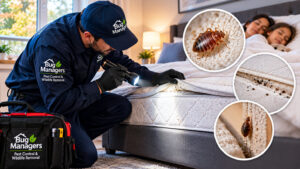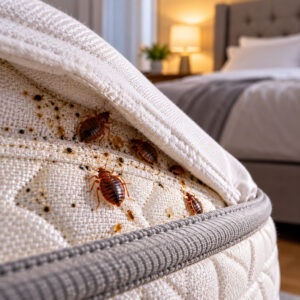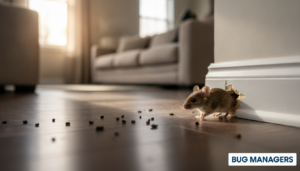
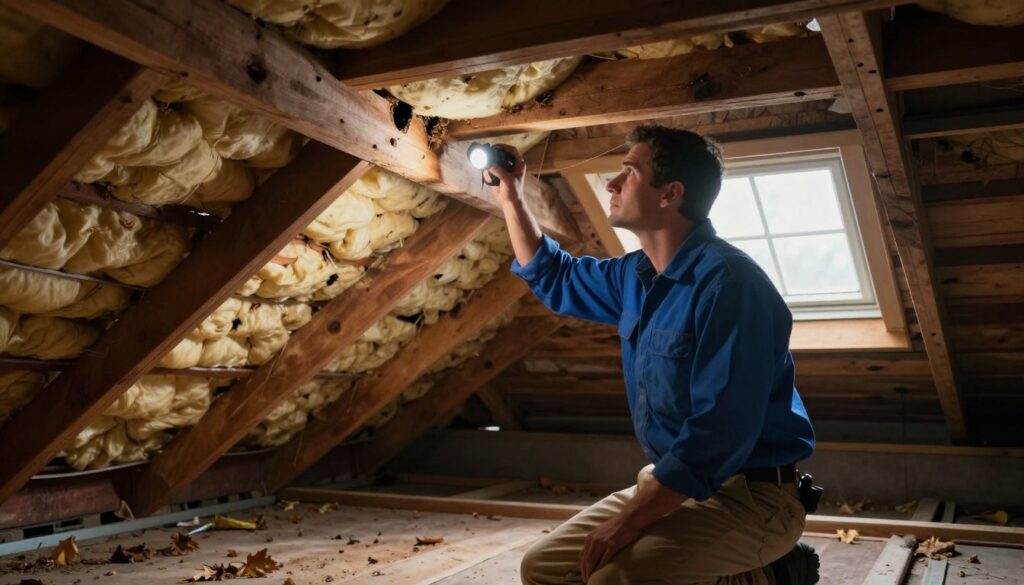
You enter your home and sense something is wrong. A heavy, sweet, rotting smell fills the hallway, but scrubbing cannot remove it. You check the fridge, garbage and drains, yet nothing explains the dead animal smell in house.
Bug Managers provides fast, discreet dead animal removal across Ontario. Licensed technicians trace odours and remove carcasses from attics, walls, crawl spaces, ducts, chimneys, decks and porches. We provide humane, sanitary and code-compliant disposal from start to finish.
Timing matters during these calls. Searching “dead animal removal near me” at 9 p.m. Sunday should not mean waiting a week. We offer same-day and emergency service, plus a FREE inspection and quote before work begins.
This guide explains what the odour means and how professional removal and deodorizing work. It also explains when the situation becomes an emergency.
We finish with a full fall pest control checklist to help prevent another problem next winter.
There is a seasonal pattern behind these calls. Residential dead animal removal and carcass removal near me searches rise across the GTA during fall and winter. Mice, rats, squirrels and raccoons enter homes to overwinter, then die inside walls or insulation.
Key Takeaways
- A sweet, rotting odour that lingers after cleaning usually points to an animal carcass hidden inside your home.
- Bug Managers provides dead animal removal Ontario homeowners can book same-day, with emergency response available.
- Carcasses turn up most often in attics, wall cavities, crawl spaces, ducts, chimneys and under decks.
- Proper animal remains cleanup includes extraction, sanitizing, deodorizing and safe, legal disposal.
- Deceased animal removal Canada calls climb sharply in fall and winter as rodents and wildlife move indoors.
- Sealing entry points after removal is what keeps the problem from coming back.
- Every inspection and quote from Bug Managers is free, with no obligation.
That Smell in Your House: What a Dead Animal in the Wall Really Means
That heavy, sweet-sour odour has a simple cause. As soft tissue breaks down, bacteria release gases, including putrescine, cadaverine and sulphur compounds. These gases move through drywall seams, insulation, cold-air returns and baseboards. A dead animal in wall cavities on the north side can stink up a bedroom two rooms away.
Warm attic air speeds decay. A dead animal in attic insulation during a mild October week decays faster than one in a basement joist bay.
| Animal | Typical Odour Duration | Common Location |
|---|---|---|
| House mouse | 1–2 weeks | Wall voids, behind kitchen cabinets |
| Norway rat | 2–4 weeks | Basement walls, crawl spaces, drains |
| Grey squirrel | 4–6 weeks | Attics, soffits, chimney chases |
| Raccoon | 6–8 weeks or longer | Attic floors, decks, sheds |
| Bird or bat | 1–3 weeks | Vents, chimneys, attic peaks |
The smell is rarely the only problem. Expect these follow-ups:
- Blowflies and clusters of maggots near vents or light fixtures
- Carpet beetles feeding on remains months later
- Fluid staining on drywall and ceiling tiles
- Bacteria and parasites left in contaminated insulation
Air fresheners and fogging sprays only mask the source. Health Canada and Public Health Ontario recommend gloves, protection and proper disposal when handling carcasses. Professional dead rodent removal, dead squirrel removal, dead raccoon removal and dead rat removal solve the cause.
True dead animal smell removal treats materials soaked with odour. A dead mouse in wall framing needs the same care as anything larger. Complete animal odour removal starts by finding the body.
How Professional Dead Animal Removal Works From Detection to Deodorizing
Knowing the next steps can ease the stress caused by a terrible smell. Here is how The Bug Managers provides dead wildlife extraction in Ontario homes, from detection through deodorizing.
- Free inspection and odour mapping. Scent tracking, thermal imaging, borescope cameras and moisture readings pinpoint the carcass — no guessing, no tearing open every wall.
- Minimally invasive access. A soffit panel comes off, a small port gets drilled, or a tidy drywall hatch is cut and patched afterward.
- Safe removal. Full PPE, sealed biohazard bags and licensed wildlife carcass disposal that meets municipal and provincial rules.
- Animal waste cleanup. Droppings, urine, nesting debris and contaminated insulation removal in one visit.
- Attic sanitization. Hospital-grade, veterinary-approved disinfectants plus enzyme treatments that digest odour molecules rather than cover them up.
- Wildlife odor removal. Ozone or hydroxyl treatment, followed by fresh insulation where the old batts are beyond saving.
- Exclusion. The entry point gets sealed so nothing crawls back in.
| Stage | Typical Time on Site | What You Get |
|---|---|---|
| Detection and odour mapping | 30–60 minutes | Exact carcass location, photo report |
| Dead animal pickup service | 1–2 hours | Sealed containment, licensed transport |
| Attic cleanup and sanitization | 2–5 hours | Disinfected surfaces, waste hauled away |
| Deodorizing and exclusion | 1–3 hours | Written guarantee on sealed entry points |
Every technician is insured, fully trained, and respectful of your home. Professional animal carcass disposal should leave your house cleaner than we found it. Technicians wear booties, use drop sheets, and leave the work area spotless.
Signs You Need an Emergency Dead Animal Service Right Now
Some odours can wait until the weekend. Others mean you should book an emergency dead animal service today. Check this quick list to see how many signs affect your home.
- A sharp, sweet-rotten smell that gets worse in warm afternoon air
- Blowflies or maggots gathering at a window, ceiling light or bathroom fan
- Dark greasy staining or a damp patch spreading across drywall or ceiling tiles
- Scratching overhead that stopped suddenly a few days ago
- Your dog or cat staring at one wall, vent or closet
- Odour travelling through HVAC returns into other rooms
- Visible remains in a chimney, roof vent, window well or under a deck
Certain situations need same-day dead wildlife removal. Do not wait in these cases.
| Situation | Why It Is Urgent |
|---|---|
| Infants, seniors or asthma sufferers at home | Airborne spores and bacteria hit sensitive lungs hardest |
| Suspected raccoon roundworm in droppings | Baylisascaris eggs stay infectious for years |
| Any bat contact or bat found indoors | Rabies assessment through your local public health unit |
| Carcass inside ductwork or near a well | Contamination spreads through air and drinking water |
Please skip the DIY heroics. Never reach blindly into a wall cavity or handle remains bare-handed. Ontario’s Ministry of Natural Resources and your regional public health unit recommend trained wildlife carcass handling.
Searching for carcass removal near me at 2 a.m.? Our licensed crews take 24/7 bookings for dead animal removal GTA-wide. We respond quickly for animal in attic removal, attic wildlife removal and full carcass removal service.
Fall Pest Control Checklist for Ontario Homeowners
This fall pest prevention checklist helps keep animals out before winter. Use it before the first hard frost to reduce winter surprises in your walls.

Start outside with your foundation. Seal cracks, parging gaps and window wells with mortar, hydraulic cement or polyurethane sealant. Pack copper mesh and sealant around gas lines, hose bibs, dryer and range vents, AC line sets and cable entries.
These small openings are pest entry points that many people miss. Check each one during your pest proofing ontario homes need.
- Doors and windows: replace worn weatherstripping, add door sweeps with gaps under 6 mm, patch torn screens
- Garage: install a bottom seal, check the side rubber, keep the door closed, and store pet food and birdseed in sealed bins — simple garage pest control that works
- Basement: seal sump pit gaps, floor drains, rim joists and utility penetrations, and keep humidity under 50 percent for solid basement pest prevention
- Attic and roof: look for daylight gaps, soft plywood and chewed roof edges; add stainless steel vent guards, secure soffit returns and cap the chimney for real attic pest prevention
- Yard: clear leaves from the perimeter and eavestroughs, trim branches back 2 metres, stack firewood off the ground and 6 metres away
Watch for droppings, gnaw marks, greasy rub marks, shredded insulation, urine odour and scratching sounds at night.
| Task | Best Timing | Prevents |
|---|---|---|
| Foundation sealing | Early September | Mice, spiders, ants |
| Roof and soffit repairs | Mid-September | Squirrels, raccoons |
| Vent and chimney screening | Late September | Birds, bats, rodents |
| Yard cleanup | October | Rats, overwintering insects |
Want help with autumn pest control? Book a free home pest inspection this fall with Bug Managers in Mississauga, Brampton, Toronto and across the GTA. Get your winter pest prevention plan sorted early.
Mice, Rodent Proofing and the Entry Points Most Homeowners Miss
A house mouse can slip through a gap as wide as a pencil, about 6 mm. A Norway rat needs roughly 12 mm. Effective rodent proofing focuses on millimetres, not fist-sized holes.
The openings people pass every day are the ones mice love most:
- Worn garage door corners and rubber seals
- Weep holes in brick veneer
- Dryer vent flaps stuck open with lint
- Gaps behind soffit returns and roof-to-wall junctions
- Plumbing stacks, sill plate gaps and utility trenches
- The door between an attached garage and the house
The right material makes foundation crack sealing last. Expanding foam and steel wool alone can be chewed through within weeks.
| Entry Point | Recommended Material | Why It Holds |
|---|---|---|
| Foundation cracks | Hydraulic cement with copper mesh backing | Foundation crack sealing that resists gnawing and moisture |
| Vents and weep holes | 19-gauge galvanized hardware cloth | Blocks mice, keeps airflow |
| Soffit and roof gaps | Sheet metal flashing | Teeth cannot grip smooth steel |
| Pipe penetrations | Copper mesh plus sealant | Flexible, rust-resistant, permanent |
Mice prevention starts with food control: use sealed containers, clean crumbs, declutter rooms, and keep bird feeders away from walls.
Unresolved rodent activity is the main cause of a dead mouse in wall cavities. Poisoned rodents may crawl into insulation and die there, creating a dead rodent removal job. Bug Managers favours trapping and exclusion over rodenticide in occupied walls for that reason.
Follow Health Canada guidance when cleaning droppings: wet the area, wear gloves and a mask, and never sweep.
Our rodent control, mice removal and exclusion teams cover pest control mississauga, pest control brampton and pest control toronto neighbourhoods.
Spiders, Overwintering Insects and Moisture Control Before First Frost
Rodents get most attention, but insects stay active in September and October. Cluster flies, boxelder bugs, brown marmorated stink bugs, Asian lady beetles, earwigs and several spider species gather on warm, south- and west-facing walls. After sunset, they enter through soffit seams and window gaps to hibernate in attics and wall voids.
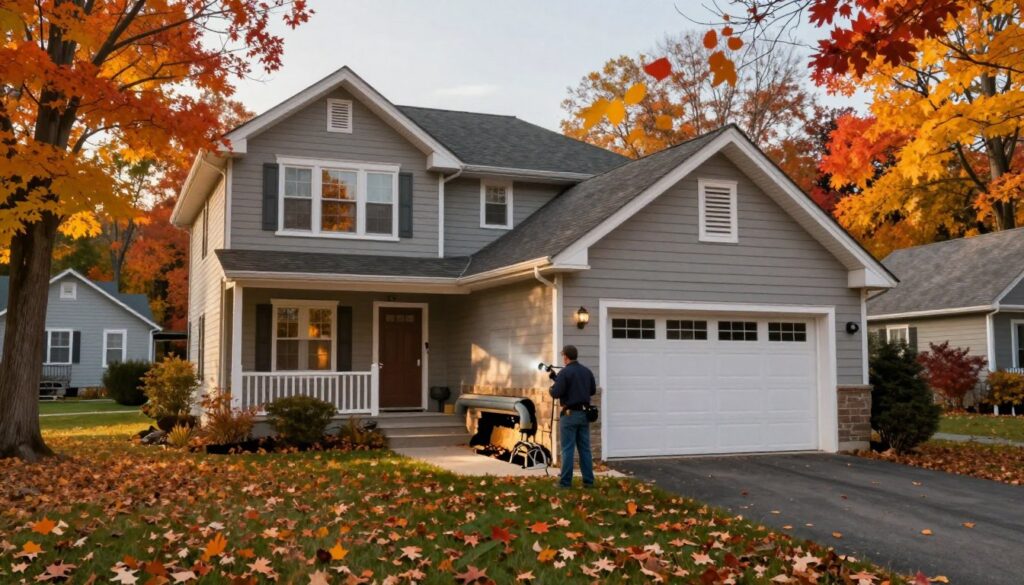
Smart autumn pest control starts outdoors. Apply an exterior perimeter treatment before temperatures fall to keep insects off siding during peak clustering days.
- Seal gaps around window frames, trim and attic vents with silicone caulk
- Screen gable, ridge and soffit vents for solid attic pest prevention
- Swap bright white bulbs for warm LEDs, which attract fewer flying insects
- Rake decaying leaves away from the foundation and siding
Moisture also drives winter pest prevention. Damp corners feed silverfish, centipedes, sowbugs and mould, making basement pest prevention important.
| Moisture Problem | Pests It Attracts | Fix Before Frost |
|---|---|---|
| Downspouts draining at the wall | Earwigs, sowbugs, ants | Extend discharge 1.5 m from the foundation |
| Humid, unfinished basement | Silverfish, centipedes, spiders | Run a dehumidifier below 50% humidity for basement pest prevention |
| Poorly vented attic | Cluster flies, mould growth | Clear vents and add insulation baffles |
| Dripping taps and sweating pipes | Cockroaches, ants | Repair washers, wrap pipes with foam sleeves |
A spring cluster fly outbreak may signal a bigger issue above your ceiling, including a carcass. Book a home pest inspection with our spider control and insect control teams. Seasonal treatment can provide the pest proofing Ontario weather demands.
DIY Prevention Versus Professional Pest Control and Wildlife Exclusion
Many prevention tasks fit in your own toolbox. Weatherstripping, door sweeps, patched window screens, a tidy garage and clear eavestroughs suit a weekend. Sealing accessible foundation cracks, tidying the yard and moving firewood away from the house help with wildlife exclusion.
Some jobs require licensed professionals and proper safety gear. Roof-level repairs, soffit and vent work with one-way doors, chimney capping and rodent proofing need trained hands. Contaminated insulation removal also requires trained hands and proper safety gear.
| Task | Best Handled By | Why |
|---|---|---|
| Door sweeps and screen repair | Homeowner | Ground-level, low risk, basic tools |
| Ground-level crack sealing | Homeowner | Easy access with caulk and mesh |
| Soffit and roof-vent rodent proofing | Bug Managers technician | Ladder work plus commercial-grade steel mesh |
| Animal in attic removal | Bug Managers technician | Humane handling under Ontario’s Fish and Wildlife Conservation Act |
| Odour in a wall cavity | Bug Managers technician | Residential dead animal removal needs targeted access |
| Droppings and carcass cleanup | Bug Managers technician | Professional animal carcass disposal with biohazard protocols |
Call us when a smell appears, noises continue after your attempts, or an infestation returns. We handle animal in attic removal, residential dead animal removal and professional animal carcass disposal with care.
Our wildlife exclusion work includes careful animal entry point sealing, a warranty and durable materials. It never traps live animals inside your walls.
Our reports support insurance claims for wildlife damage. Every visit starts with a thorough home pest inspection. Book a free inspection and let us protect your home before winter settles in.
Local Service Across the GTA: Toronto, Mississauga, Brampton and Beyond
Each neighbourhood has its own challenges, and our technicians know them well. Century semis in the Beaches and Leslieville may hide mice behind brick weep holes. Aging soffits in Etobicoke and Scarborough let raccoons enter.
Laneway garages offer another favourite hiding spot, keeping dead animal removal toronto crews busy year-round.
In Mississauga, mature tree canopies in Port Credit, Streetsville, Meadowvale and Erin Mills put squirrels right on the roofline. Attached garages and roof vents are usual weak points, so wildlife removal mississauga visits almost always start on a ladder. Brampton differs: Springdale, Heart Lake, Castlemore and Bramalea have framing gaps in newer builds; construction pushes rodents out.
| Service Area | Common Issue | Typical Response |
|---|---|---|
| Toronto | Raccoons in soffits, mice in brick walls | Same-day emergency dead animal calls |
| Mississauga | Squirrels at roof vents and garages | Next-day inspection, evening slots |
| Brampton | Rodents through new-build framing gaps | Same-day sealing and trapping |
| Oakville, Milton, Burlington | Skunks and groundhogs under decks | Weekend appointments available |
| Vaughan, Richmond Hill, Markham | Attic squirrels and bird nesting | Scheduled within 24 hours |
| Caledon, Pickering, Ajax | Rural rodent pressure in fall | Seasonal exclusion visits |
Our licensed, insured technicians arrive in marked vehicles and quote flat rates before work begins. Booking is simple for dead animal removal mississauga and dead animal removal brampton. We also offer pest control toronto, pest control mississauga and pest control brampton.
We coordinate with municipal animal services when a carcass lies on a road or public land. For wildlife removal toronto, wildlife removal brampton or wildlife removal ontario coverage, visit your city service page for details.
Conclusion
A bad smell from your wall or attic can be a sign of a hidden dead animal and shouldn’t be covered up with air fresheners. Professional dead animal removal, cleanup and sanitization can help eliminate the source, while rodent proofing and wildlife exclusion can help prevent future problems.
If you need dead animal removal in Mississauga, Brampton, Toronto or the GTA, contact Bug Managers Pest Control & Wildlife Removal Services. We provide residential and commercial pest control, rodent control, wildlife removal, exclusion and attic services.
Call 647-326-4888 or visit BugManagers.com to request your FREE inspection and no-obligation quote. Same-day and emergency service options are available.